
A wedding day doesn't always unfold as imagined. Sometimes the unexpected weather becomes the most memorable part of the story.
Eight Lessons From a Lifetime Behind the Camera
What makes a great wedding photographer? Is it the camera, the lighting, the composition, or the ability to make people look beautiful?
All of those things matter. But after decades photographing weddings around the world, I've come to believe that the qualities distinguishing an exceptional photographer are often the ones you cannot immediately see.
They're revealed in decisions made in fractions of a second. In knowing when to step forward and when to disappear. In recognizing the importance of a fleeting expression before anyone else realizes something extraordinary is happening.
A wedding is one of the few occasions when nearly everyone important in your life gathers in the same place. The photographs become a record not simply of how everything looked, but of the people, relationships, and emotions that made the day meaningful.
Here are eight qualities I believe matter most.
1. Instinct: Knowing When Something Is About to Happen
Some of the most memorable photographs I've made happened because I anticipated a moment rather than reacted to it.
At a destination wedding in Trinidad, I photographed a bride waving to guests as she made her way toward the ceremony. It's a simple gesture, but the expression, movement, and surrounding atmosphere tell a much larger story.
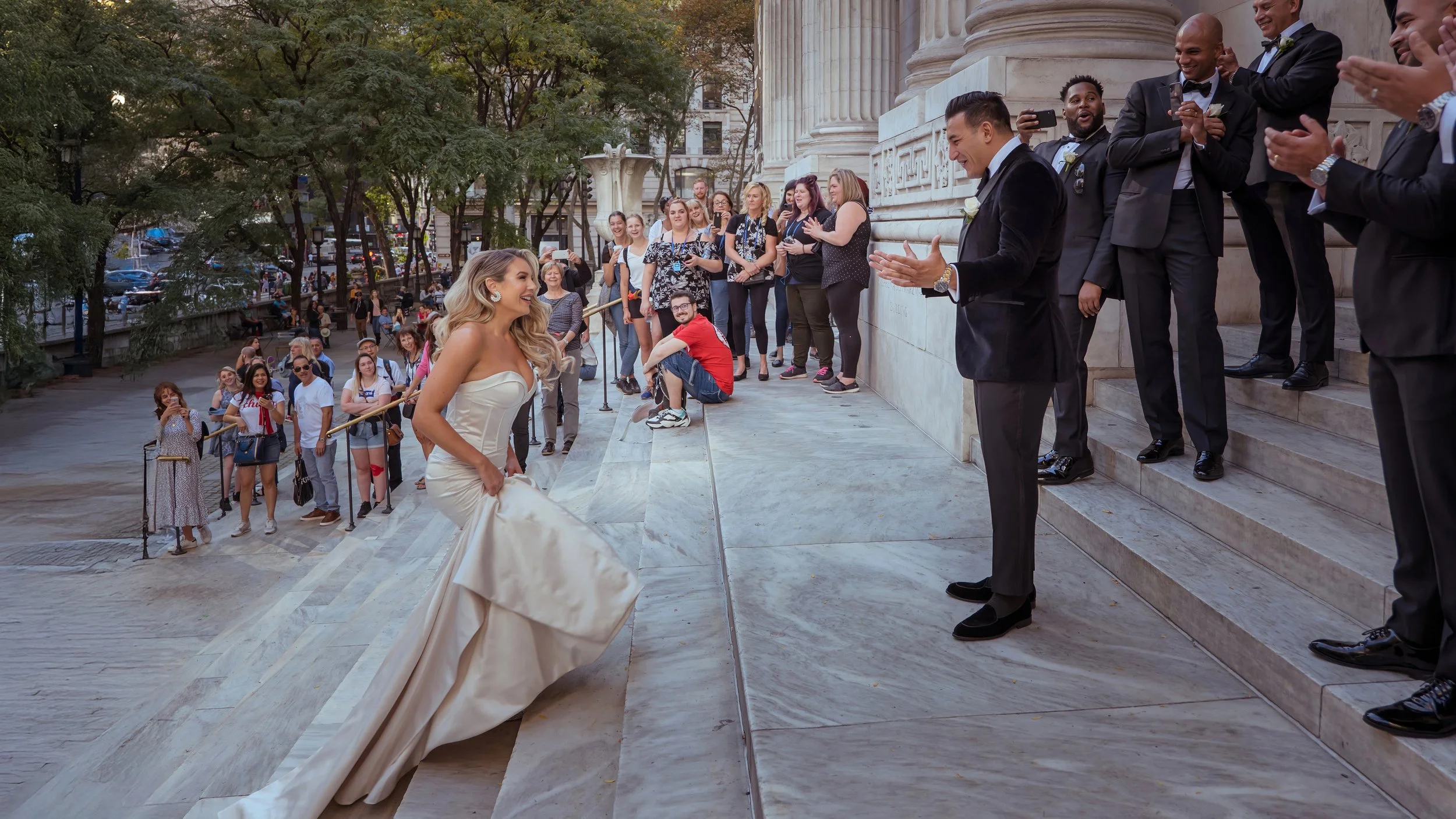
At the New York Public Library, an intimate first look becomes a moment shared with the city. Instinct means recognizing not only what is happening, but what is about to happen.
Experienced photographers learn to recognize the subtle signals that precede meaningful moments. A father glancing toward his daughter. A couple exchanging a look across a crowded room. A guest leaning forward just before an emotional embrace.
Instinct isn't simply good fortune. It's the result of paying attention over many years.
And the best moments rarely announce themselves.
2. Experience: Being Prepared for the Unexpected
Weddings are wonderfully unpredictable. Weather changes. Timelines shift. Lighting conditions become difficult. Important moments unfold simultaneously in different parts of a room.
Experience gives a photographer the ability to navigate these challenges without making them the couple's problem.
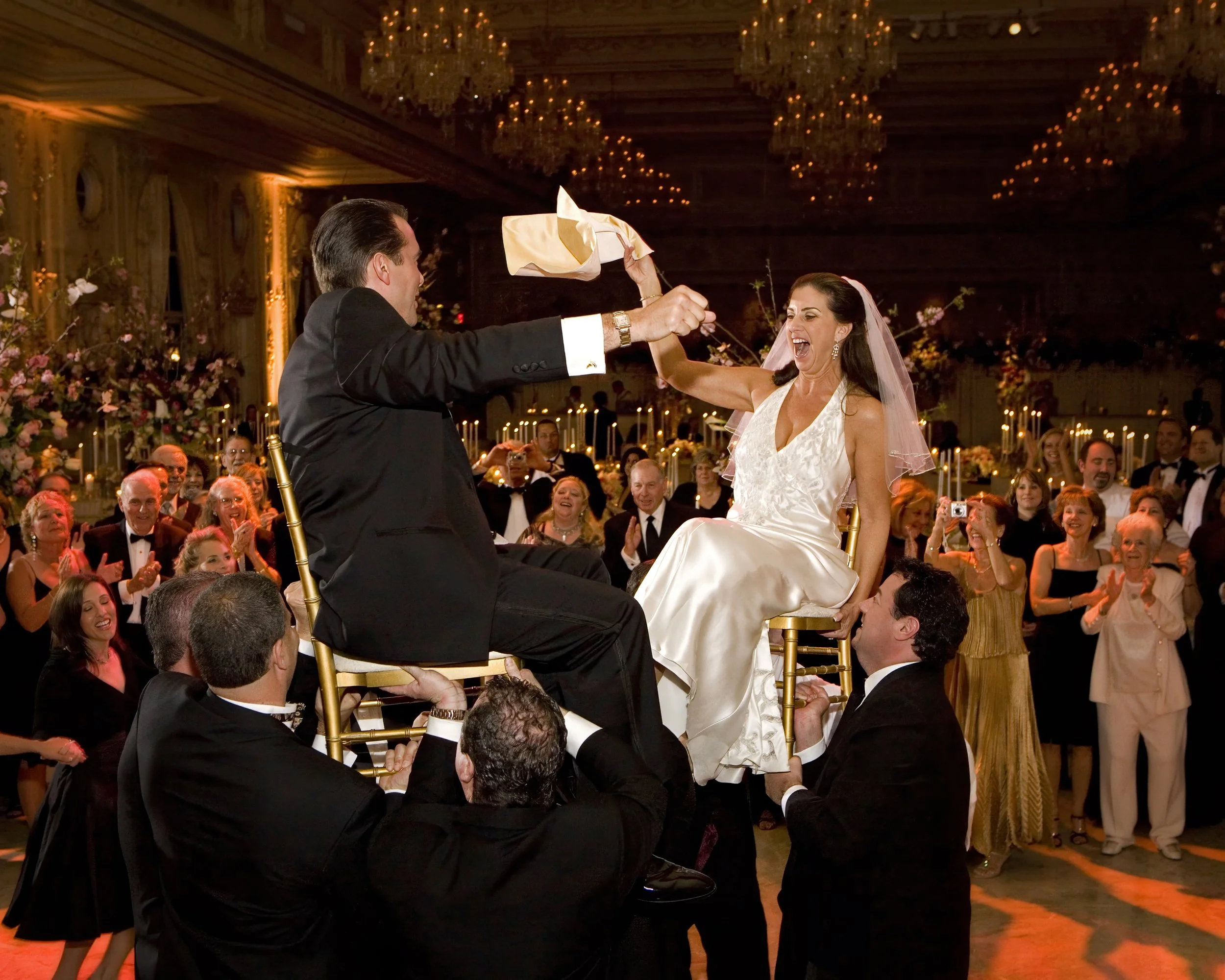
Wedding celebrations rarely stand still. Years of experience allow a photographer to anticipate movement, navigate changing conditions, and capture the energy without interrupting the celebration.
I've photographed celebrations ranging from intimate gatherings to elaborate international weddings, including highly publicized events where discretion, timing, and composure were essential.
Those experiences taught me that technical confidence creates creative freedom. When you're no longer preoccupied with figuring out your equipment, you can concentrate on the people and the story unfolding around you.
A great wedding photographer doesn't need ideal conditions to create meaningful photographs.
3. Technique: Making Difficult Photographs Look Effortless
Beautiful wedding photography requires an unusual combination of disciplines.
One moment, a photographer may be working with soft window light during bridal preparations. Minutes later, they're photographing a ceremony in a dimly lit church. That evening, they're creating elegant portraits and capturing spontaneous moments on a dramatically illuminated dance floor.
Each situation demands a different approach.
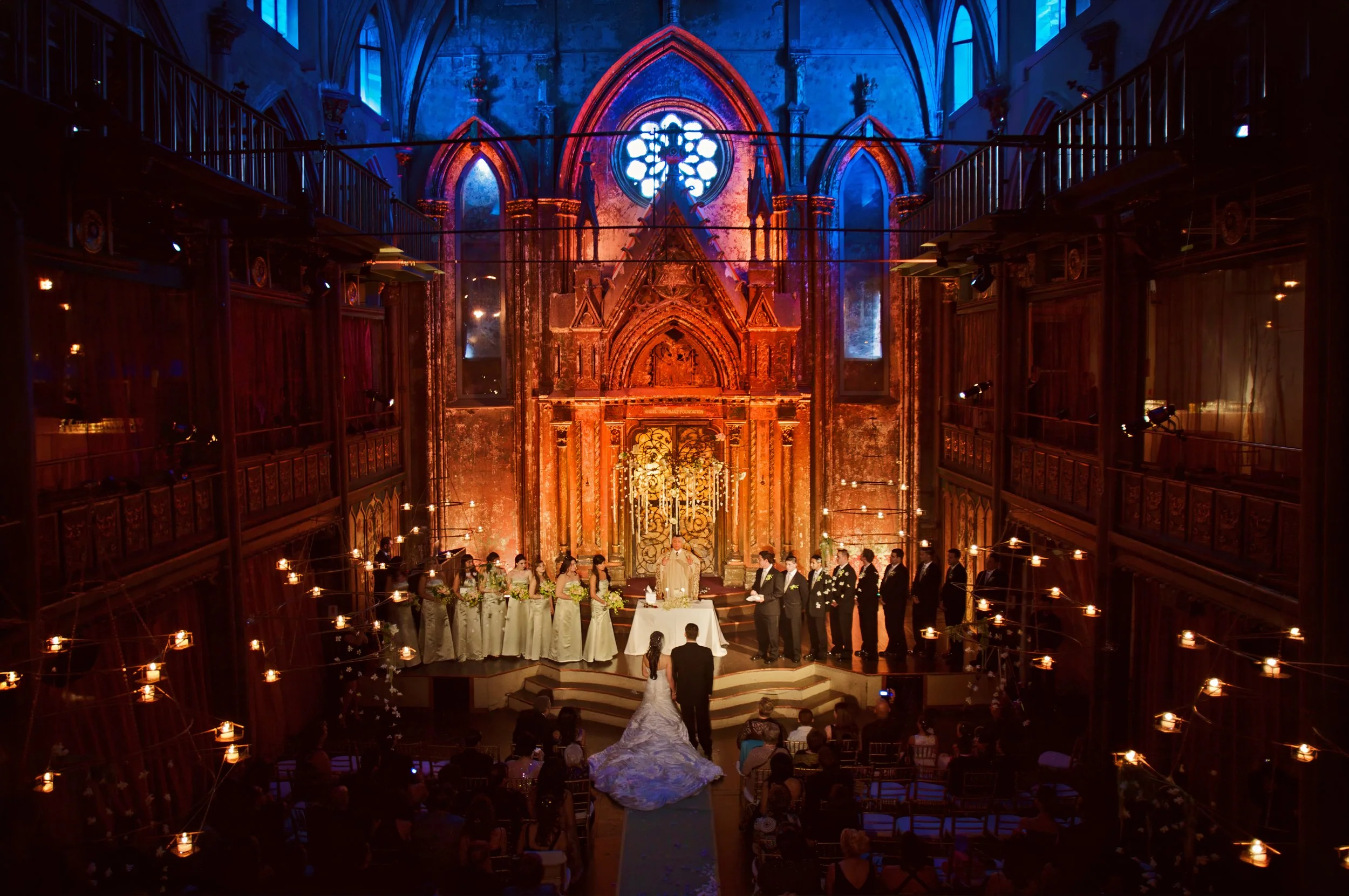
Photographing a ceremony inside Angel Orensanz requires balancing dramatically different light sources while preserving the atmosphere of the space. The technique should serve the story, not overwhelm it.
I have always believed that sophisticated technique should serve the photograph rather than call attention to itself. Lighting, lenses, exposure, and composition are tools for expressing what matters.
Sometimes that means introducing carefully controlled light. Other times, it means recognizing that the existing light is already perfect.
The real accomplishment is making a technically challenging photograph feel completely natural.
4. Thoughtfulness: Protecting the Experience
A wedding photographer has an unusual responsibility. We're invited into deeply personal moments while also working within an event involving families, planners, designers, musicians, and many other professionals.
The best photographers understand that the experience itself matters as much as the photographs.
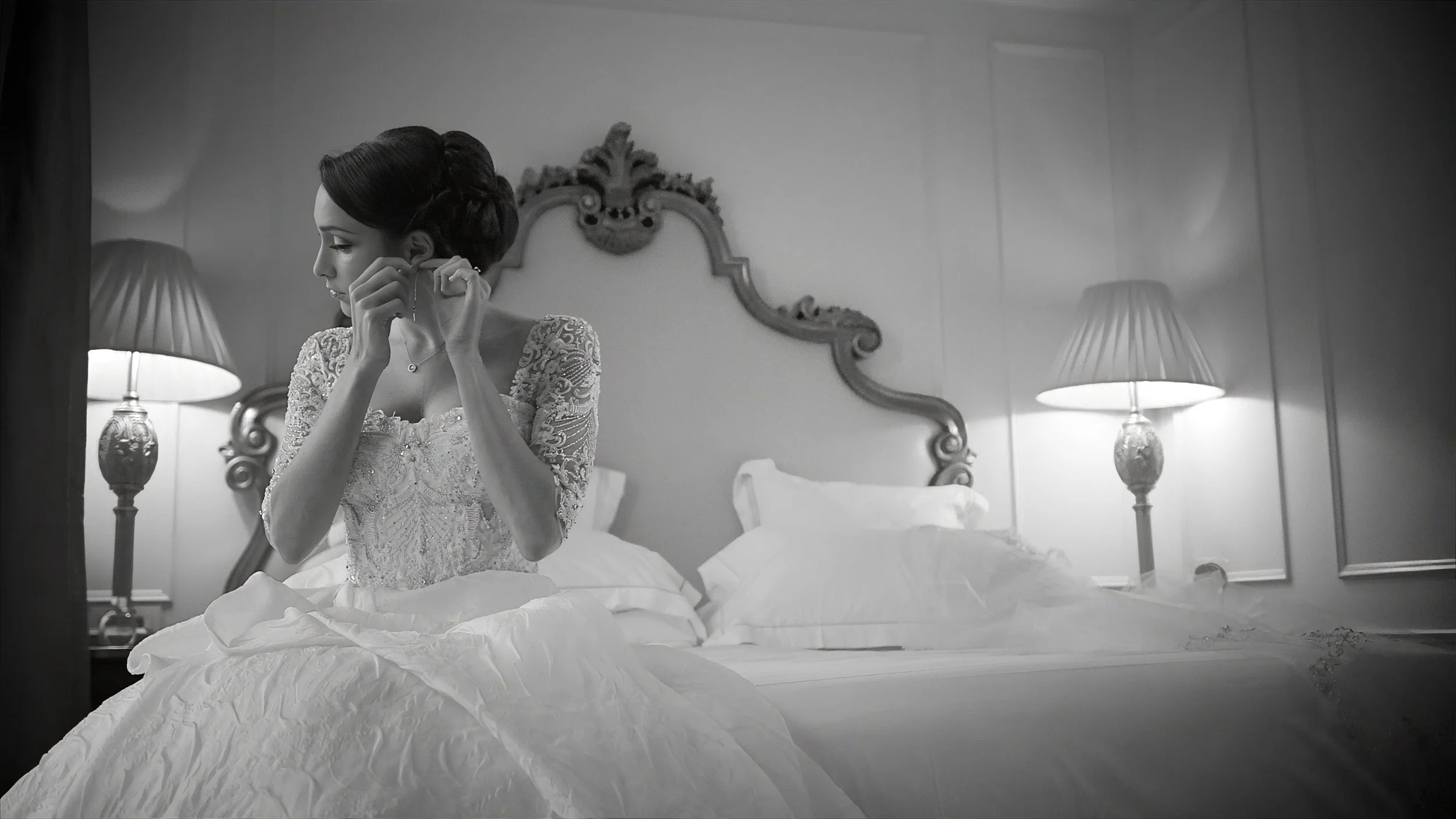
Some moments are best photographed without direction. Thoughtfulness means understanding when to offer guidance and when to simply observe.
Family portraits should be organized with kindness and efficiency. A couple shouldn't spend their entire cocktail hour being directed from one photograph to another. And photographers should work collaboratively with the people responsible for making the celebration happen.
Sometimes thoughtful photography means offering gentle direction. Sometimes it means stepping aside.
A great photographer knows the difference.
5. Taste: Understanding What Makes an Image Timeless
Photography has always been influenced by trends. Editing styles change. Posing fashions evolve. What looks exciting today may feel dated years from now.
Taste is the ability to distinguish between something that is fashionable and something that will remain meaningful.
For me, that means paying attention to authentic expressions, graceful composition, beautiful light, and the relationships between people.
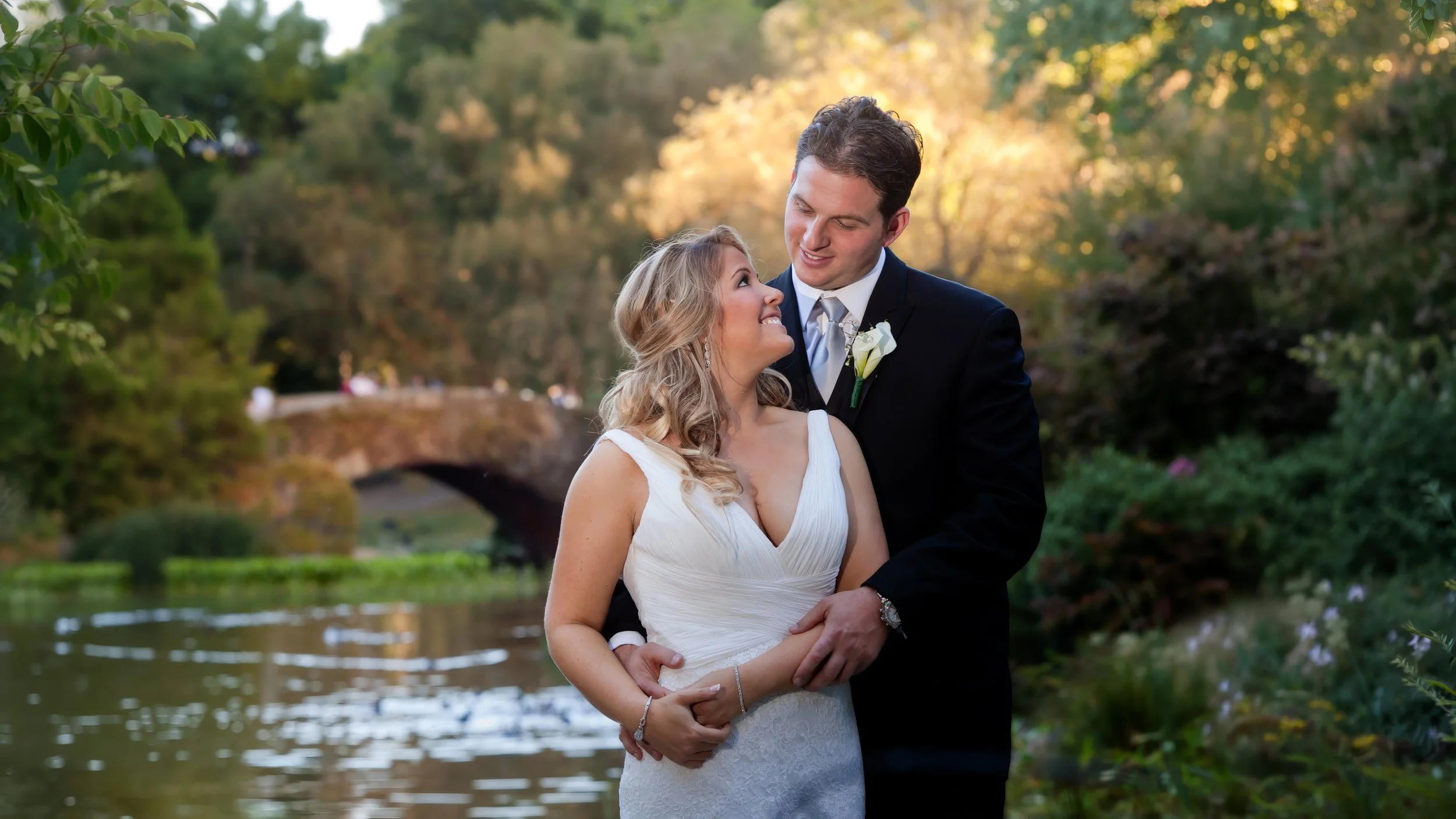
Trends come and go, but authentic expressions, beautiful light, and thoughtful composition have an enduring quality.
At a wedding at Lion Rock Farm in Connecticut, I photographed a bride and groom laughing during a toast. The photograph doesn't depend on an elaborate pose or unusual effect. Its strength comes from the honesty of the moment.
I believe the most enduring wedding photographs have that quality. They feel as relevant decades later as they did on the day they were made.
6. Authenticity: Letting the Story Be Real
One of my favorite wedding photographs was made at Wadsworth Mansion in Connecticut.
During a rainy celebration, I stepped outside and waited for a moment when the couple could be seen dancing through the windows. The conditions were far from convenient, but the photograph captured something that couldn't have been recreated through posing.
It was their real first dance, seen from an unexpected perspective.
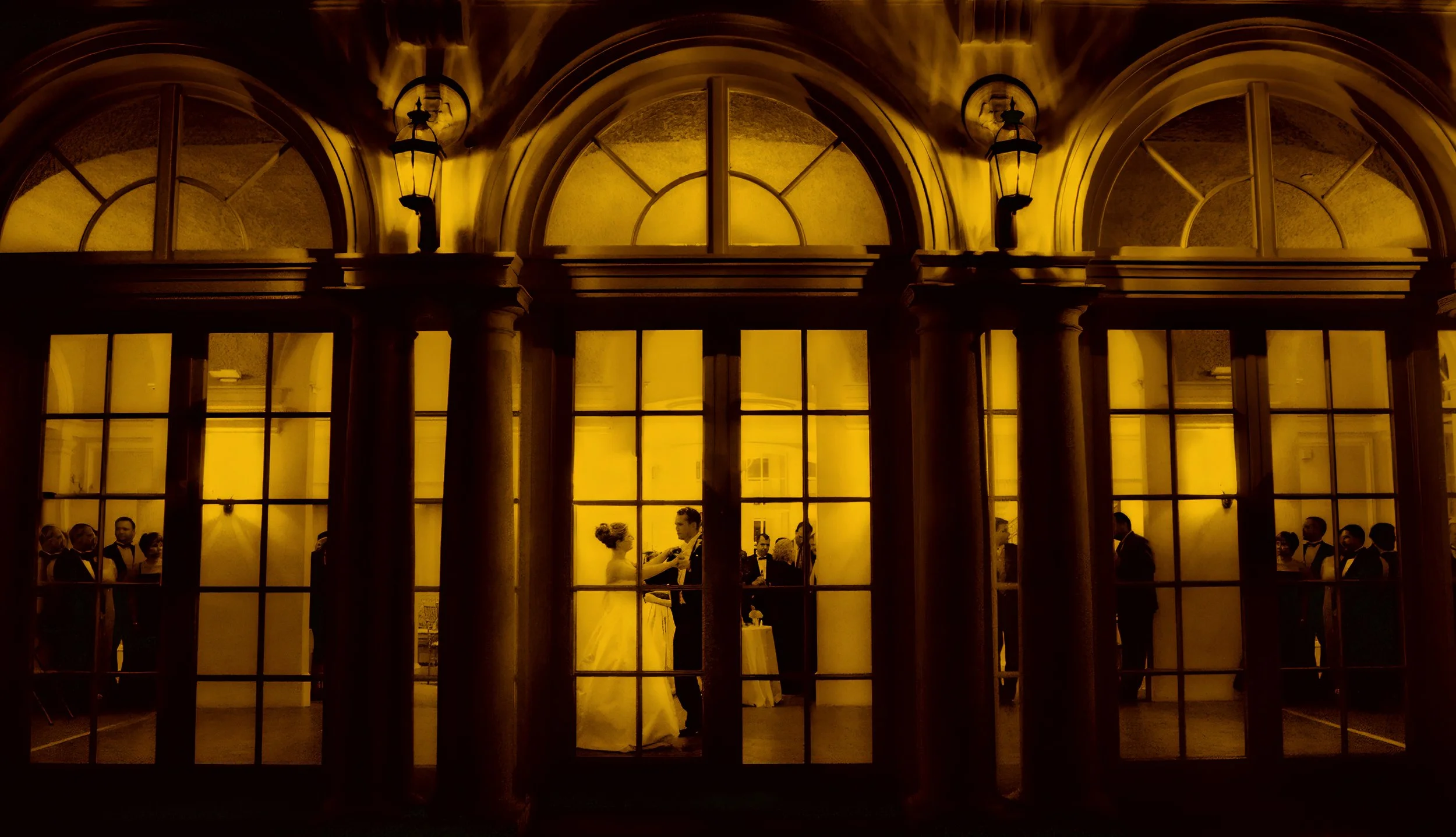
A first dance at Wadsworth Mansion in Connecticut, photographed from outside in the rain. Rather than interrupting the moment, I stepped away and found a different perspective, preserving the celebration exactly as it unfolded.
That image became part of my professional photographic legacy, but what matters most to me is the experience it preserves.
There is certainly a place for beautifully directed portraits. I enjoy creating them. But I believe wedding photography should also make room for genuine expressions, imperfect surprises, and moments that belong entirely to the people experiencing them.
The photograph should honor the truth of the occasion, not replace it with an invented version.
7. Vision: Seeing Beyond the Obvious
Two photographers can stand in the same room, witness the same moment, and create entirely different photographs.
That's because photography isn't simply a record of what happened. It's an interpretation of what the photographer noticed.
Vision influences where we stand, what we include, what we leave outside the frame, and how we interpret the photograph afterward.
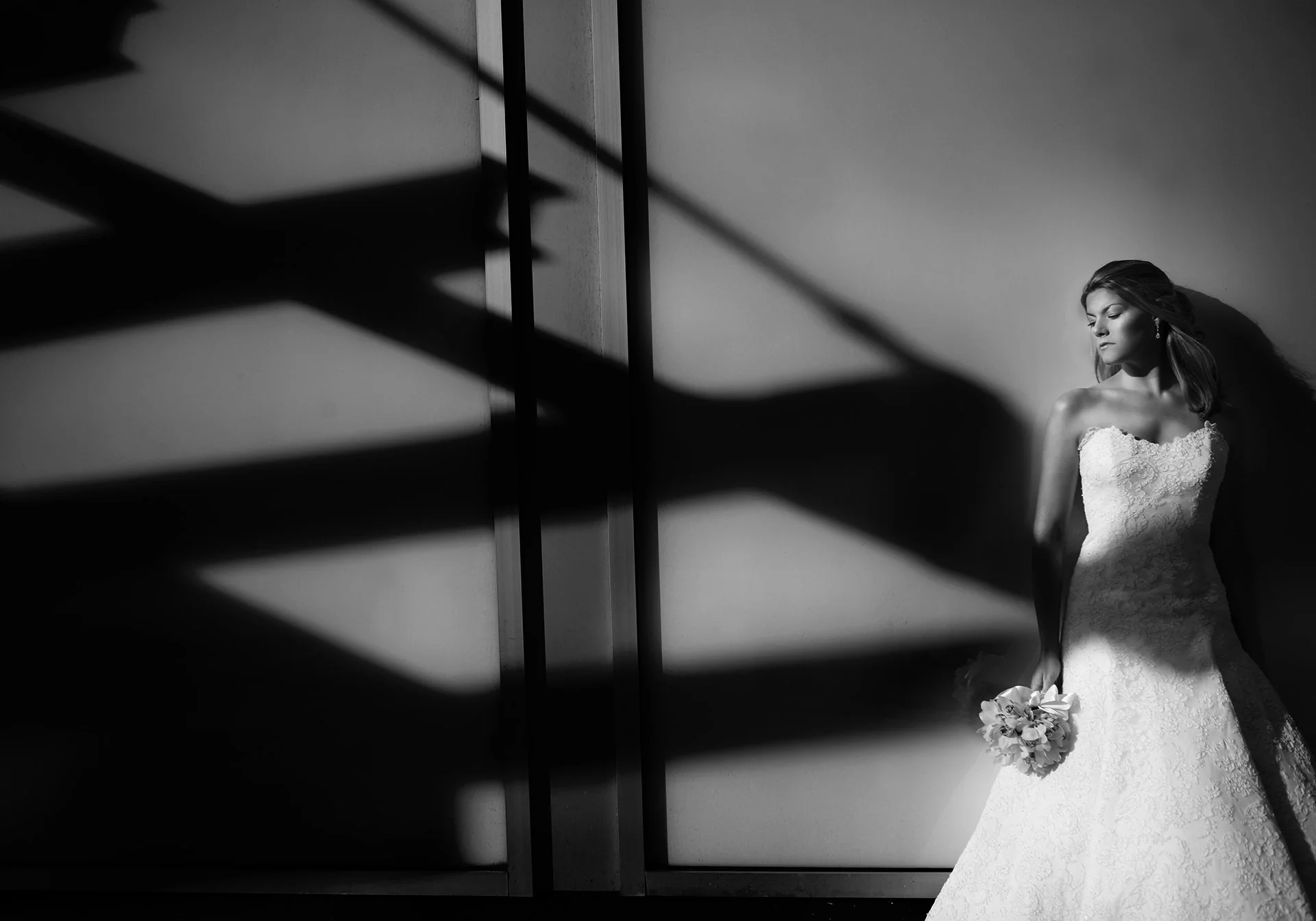
Two photographers can see the same light and create entirely different images. Vision is the ability to recognize possibilities that might otherwise go unnoticed.
It also extends into the editing process. I believe a wedding collection should be thoughtfully curated, with individual photographs refined to create a cohesive visual story.
A photograph may be beautiful on its own, but the relationship between photographs is what gives a collection its narrative depth.
The strongest wedding photography reflects a recognizable point of view without overwhelming the personalities of the people being photographed.
8. Trust: The Quality That Brings Everything Together
Ultimately, choosing a wedding photographer requires trust.
You won't know every photograph that will be made. You cannot predict the weather, the light, or the spontaneous moments that will become your favorite memories.
You're trusting someone to recognize what's important, respond intelligently to changing circumstances, protect your images, and deliver a collection worthy of the occasion.
That's why I encourage couples to look beyond a photographer's most spectacular portfolio images. Ask to see complete wedding stories. Notice how consistently the photographer captures people, atmosphere, portraits, and unscripted moments.
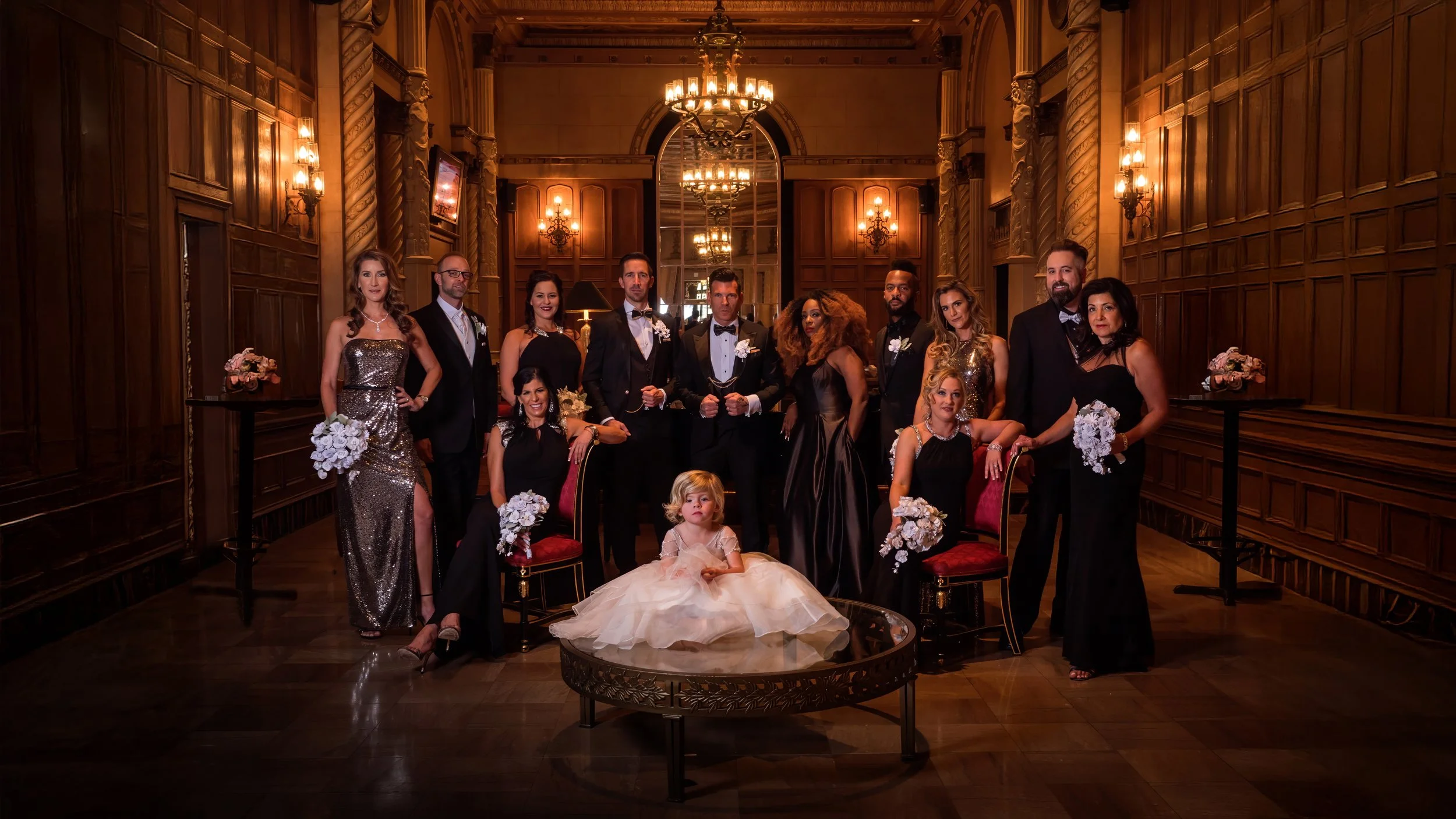
Trust also means knowing when a photographer can take control. Creating a portrait involving many people requires preparation, direction, technical skill, and sensitivity to the experience.
Ask how they approach difficult lighting, family photographs, image preservation, and the finished collection.
Most importantly, choose someone whose perspective resonates with you and whose presence makes you feel comfortable.
Great Wedding Photography Is About More Than Beautiful Pictures
After all these years, the photographs that stay with me aren't necessarily the most elaborate.
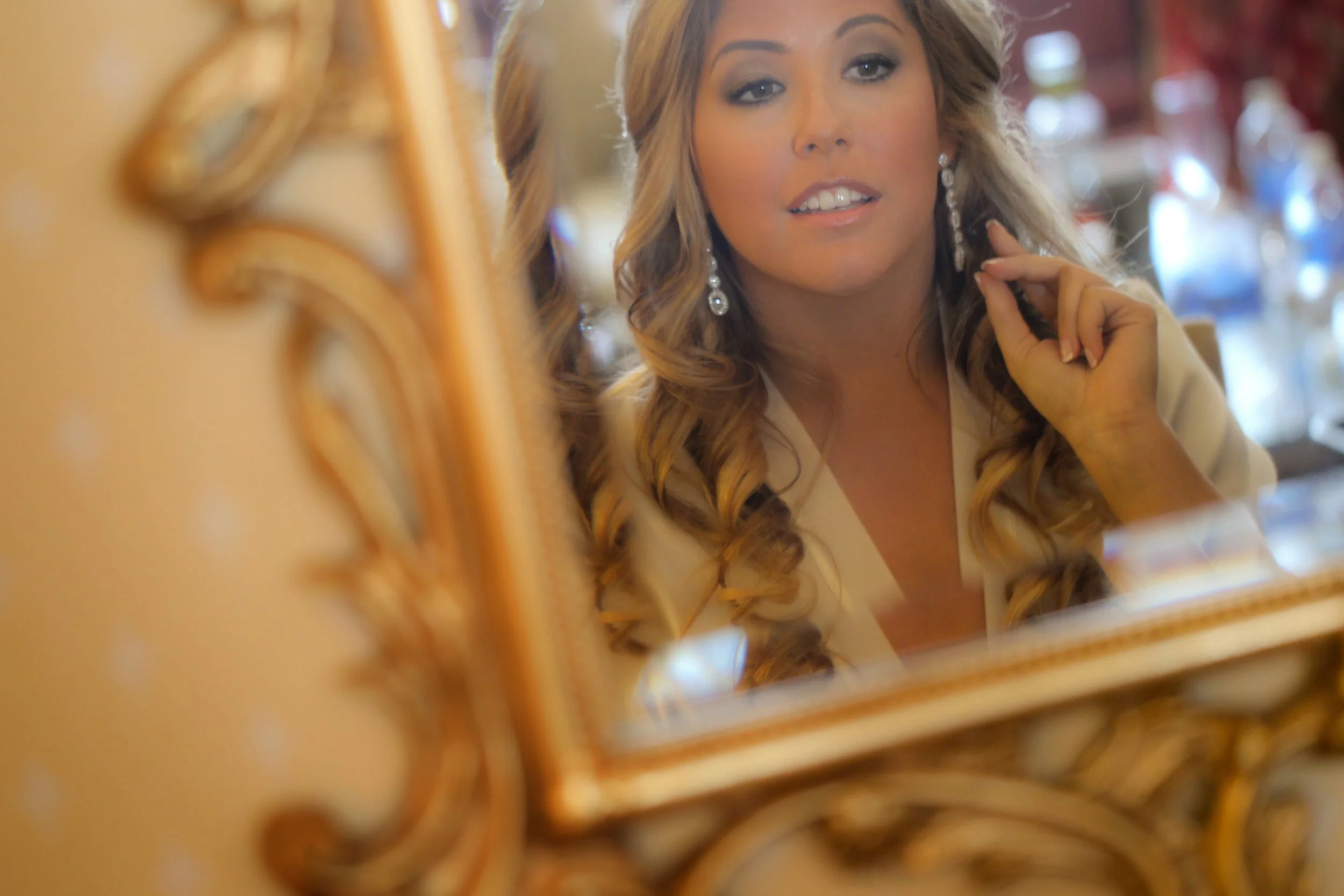
Ultimately, the photographs that endure are the ones that remind us how a moment felt.
They're the photographs that remind me of something human. A fleeting expression. An unexpected gesture. A moment of tenderness that might otherwise have disappeared.
Technical excellence matters. Experience matters. Artistic vision matters.
But I believe the finest wedding photography happens when all of those qualities come together in service of something greater than the photograph itself.
The ability to recognize what matters, and preserve it for the people who will cherish it long after the celebration has ended.
Charles Maring
Artist, Photographer & Filmmaker