Photographing the People Behind Berkshire Hathaway HomeServices
I've spent much of my career photographing people. Some are accustomed to being in front of a camera, while others would probably prefer to be almost anywhere else. I've photographed artists, musicians, business leaders, families, and people whose stories have taken me into extraordinary places. Yet regardless of the assignment, I find myself returning to the same challenge. How do you create a photograph that feels like the person standing in front of you? Not simply what they do for a living, what position they hold, or how they would like to be perceived, but something genuine about who they are.
Corporate photography presents an interesting version of that challenge because the photographs have a purpose beyond the individual. They need to communicate professionalism, confidence, and often the identity of a larger organization. But I've never believed those expectations should come at the expense of personality. In fact, I think the strongest professional portraits are often the ones that allow a little more humanity into the frame.
An assignment photographing professionals associated with Berkshire Hathaway HomeServices took me to Connecticut and New York, creating environmental portraits, individual headshots, and corporate lifestyle photography. The work offered an opportunity to explore the relationship between people and the environments in which they work, while creating photographs that could serve the practical needs of a nationally recognized real estate brand. What interested me most, however, was not the corporate name on the wall. It was the opportunity to photograph the people who give that name meaning.
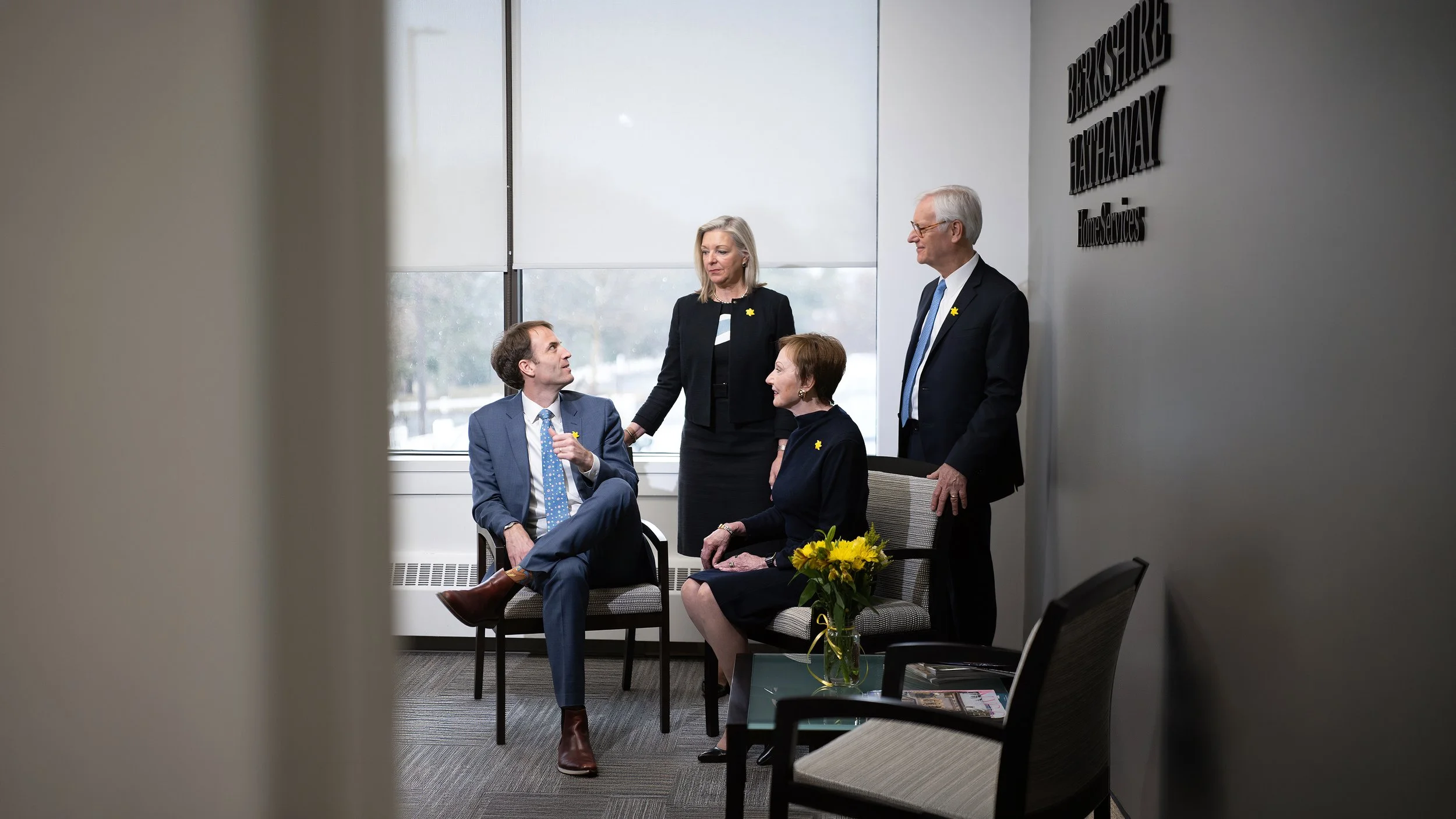
Corporate lifestyle photography for Berkshire Hathaway HomeServices, exploring the relationships, personalities, and environments that give an organization its identity.
The Person Behind the Professional Portrait
There's a moment during many portrait sessions when the person being photographed begins to forget about the camera. It doesn't always happen immediately. Some people are comfortable from the first frame, while others need a little time to settle into the experience. I enjoy that part of portraiture because it reminds me that photography is as much about human connection as it is about lighting, composition, or equipment. The camera records what happens in front of it, but the photographer has a great deal of influence over how someone feels while they're standing there.
For the Berkshire Hathaway HomeServices portraits, I wanted to create photographs that felt confident without becoming overly formal. A relaxed stance, a natural expression, or the way someone leans against a doorway can communicate as much about personality as a carefully arranged pose. These are small decisions, but they change the way we experience the person in the photograph. I want the subject to look professional, of course, but I also want someone viewing the image to feel that they might enjoy meeting them.
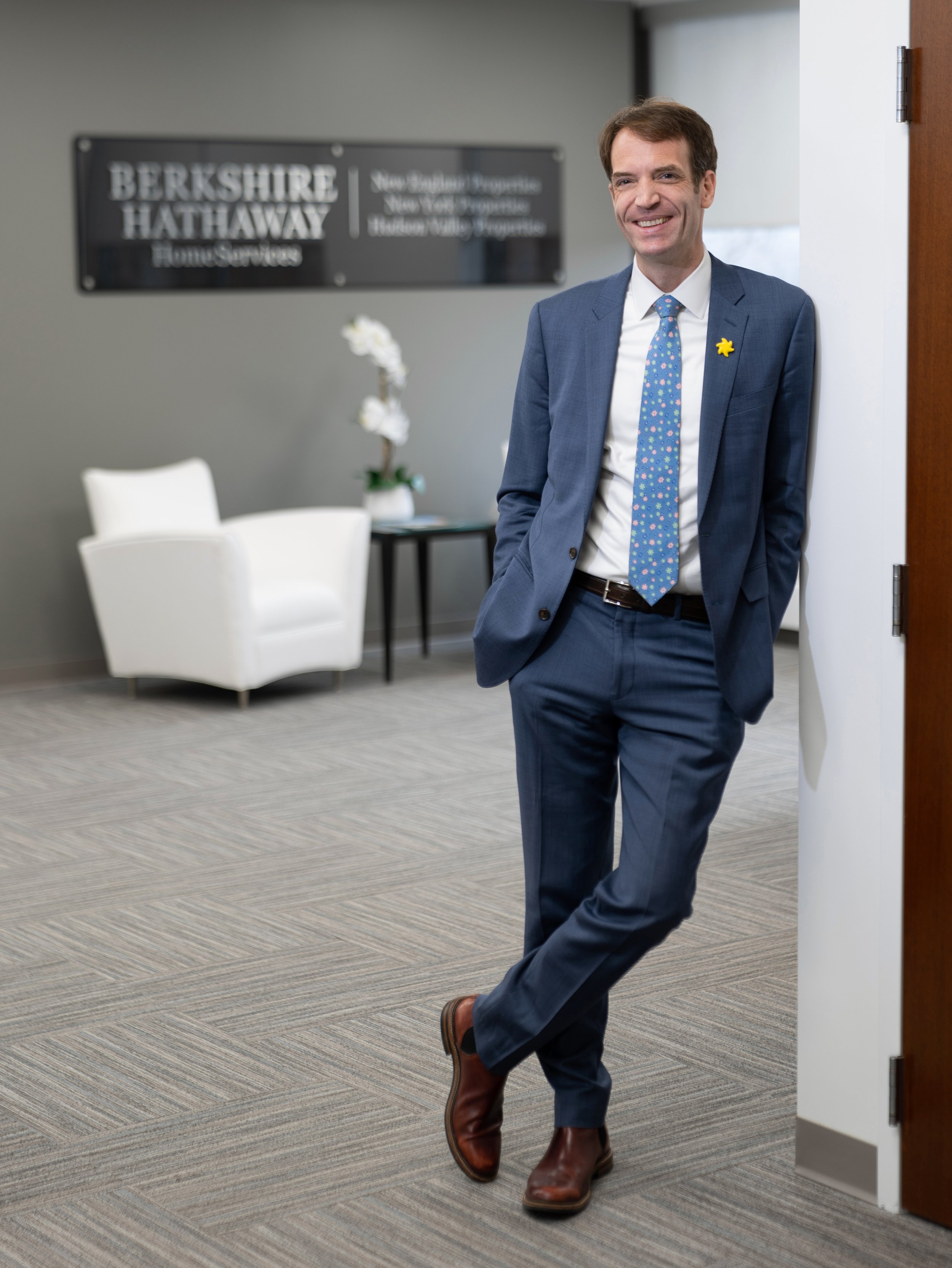
A relaxed environmental portrait that combines professional identity with a more natural expression of personality.
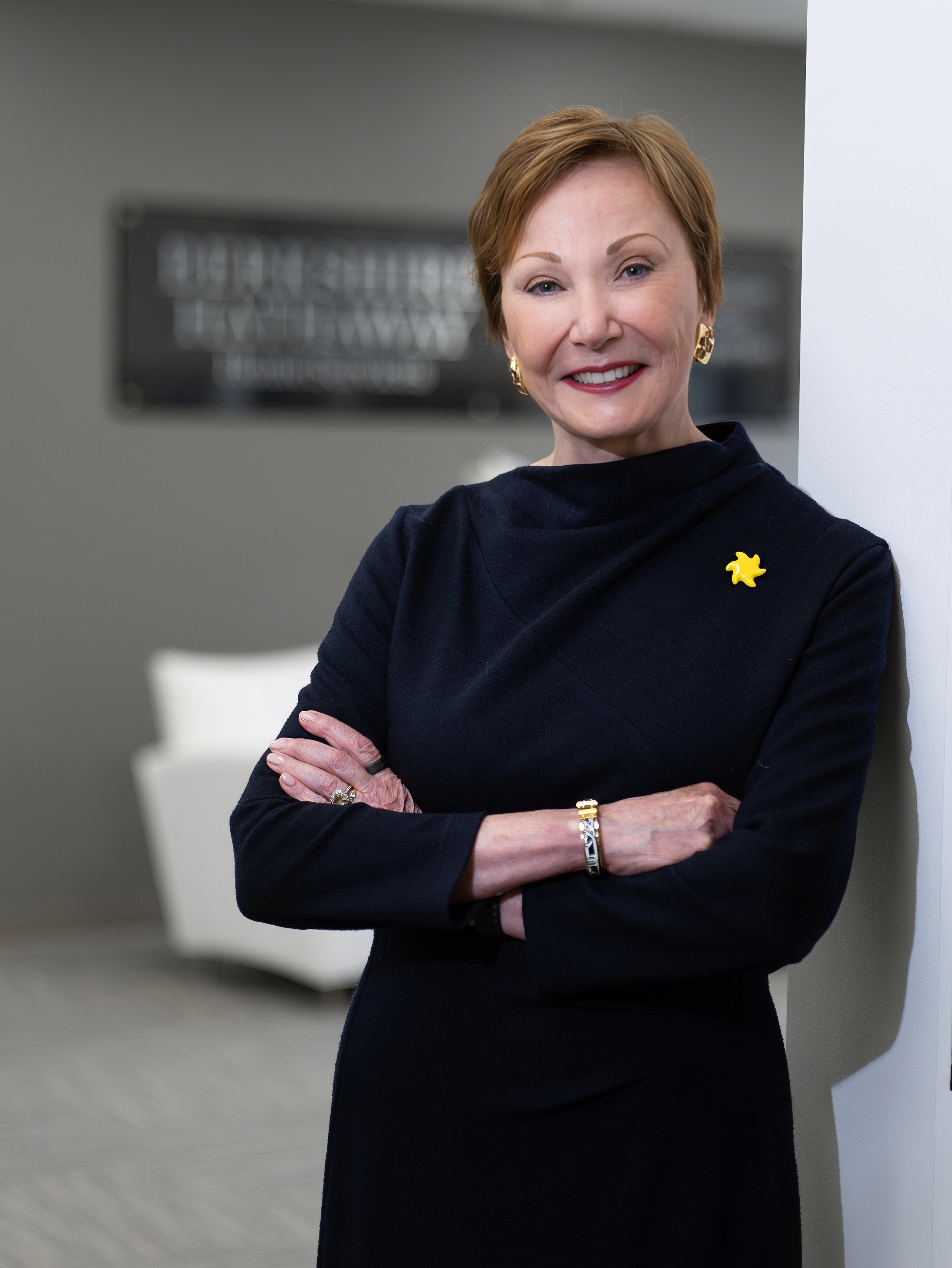
A confident executive portrait created with soft, directional light and a composition that emphasizes expression and individuality.
A Corporate Identity Without Losing Individuality
One of the challenges of photographing people within a large organization is creating visual consistency without making everyone look the same. There are practical reasons companies want their photography to feel connected. The images may appear together on websites, in marketing materials, within professional biographies, or as part of a larger collection representing different offices and teams. Lighting, color, composition, and overall presentation all contribute to that consistency. But I think it's important to distinguish a recognizable photographic approach from a formula that treats every person identically.
During these assignments, I worked with different personalities, physical spaces, and photographic opportunities. Some portraits called for a more traditional composition, while others benefited from a relaxed approach that incorporated more of the surrounding environment. I was interested in finding a visual relationship between the photographs while allowing each person to retain their individuality. That has always been part of my approach to portraiture. The photographs should feel as though they belong to the same body of work, but the people should never feel interchangeable.
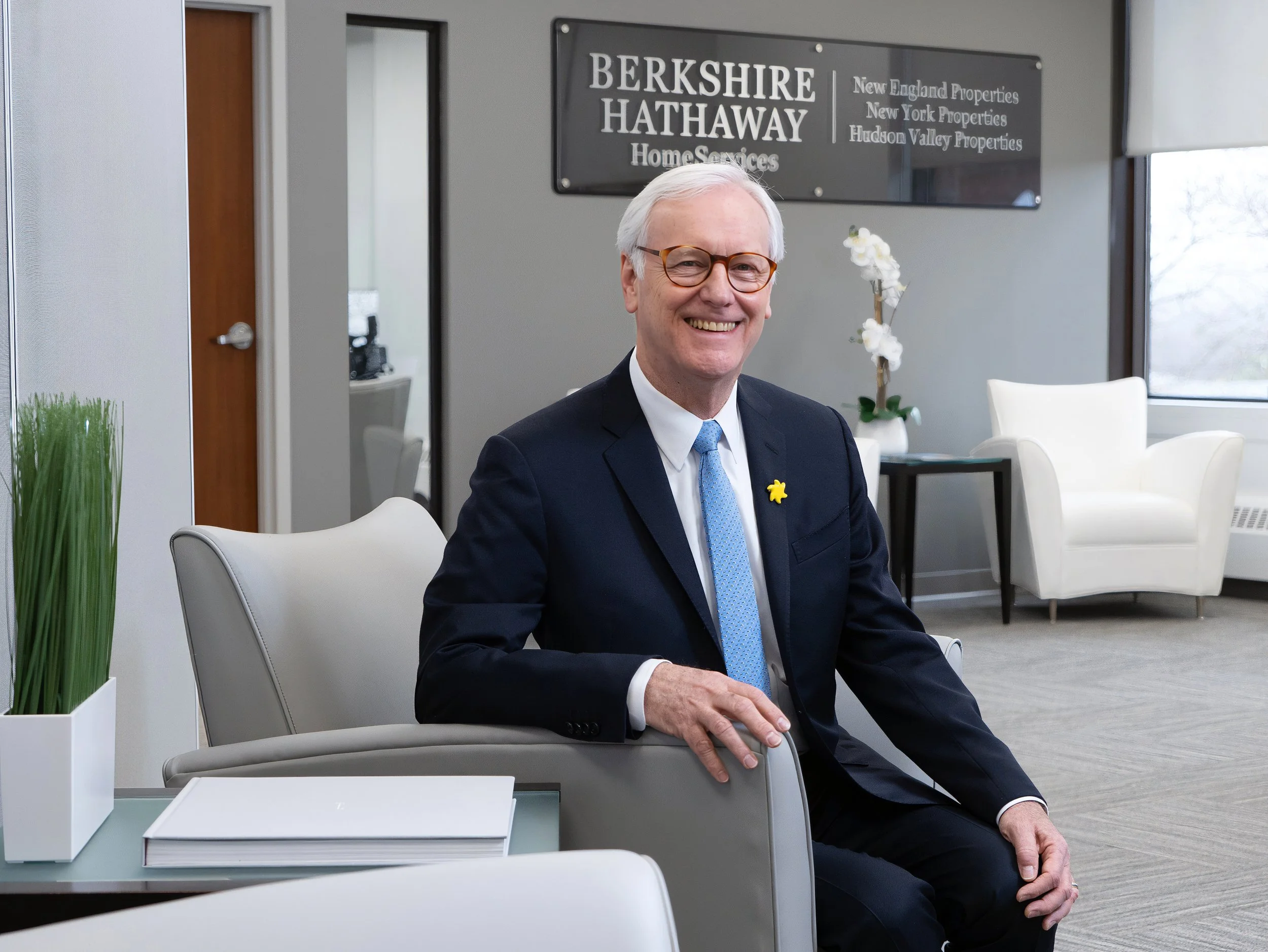
An environmental leadership portrait that incorporates the workplace while keeping the individual at the center of the composition.
The Environment Is Part of the Portrait
I enjoy environmental portraiture because it introduces another element into the conversation. The surroundings can tell us something about the person, their profession, or the atmosphere in which they spend their days. An office might provide architectural lines, window light, interesting textures, or recognizable elements of a company's identity. Sometimes those details are important to the photograph. Other times they become distractions, and the better decision is to simplify the composition and allow the person to become the primary subject.
Working in different offices requires a willingness to observe before beginning to photograph. I look at the direction of the light, the relationship between the subject and the background, and how the space might contribute to the finished image. I also consider what should be left out. A photograph is an exercise in selection, and often the most important creative decision is deciding what doesn't belong in the frame. I find that a simple doorway, an interesting wall, or a comfortable seating area can become a compelling portrait location when the light and composition are thoughtfully considered.
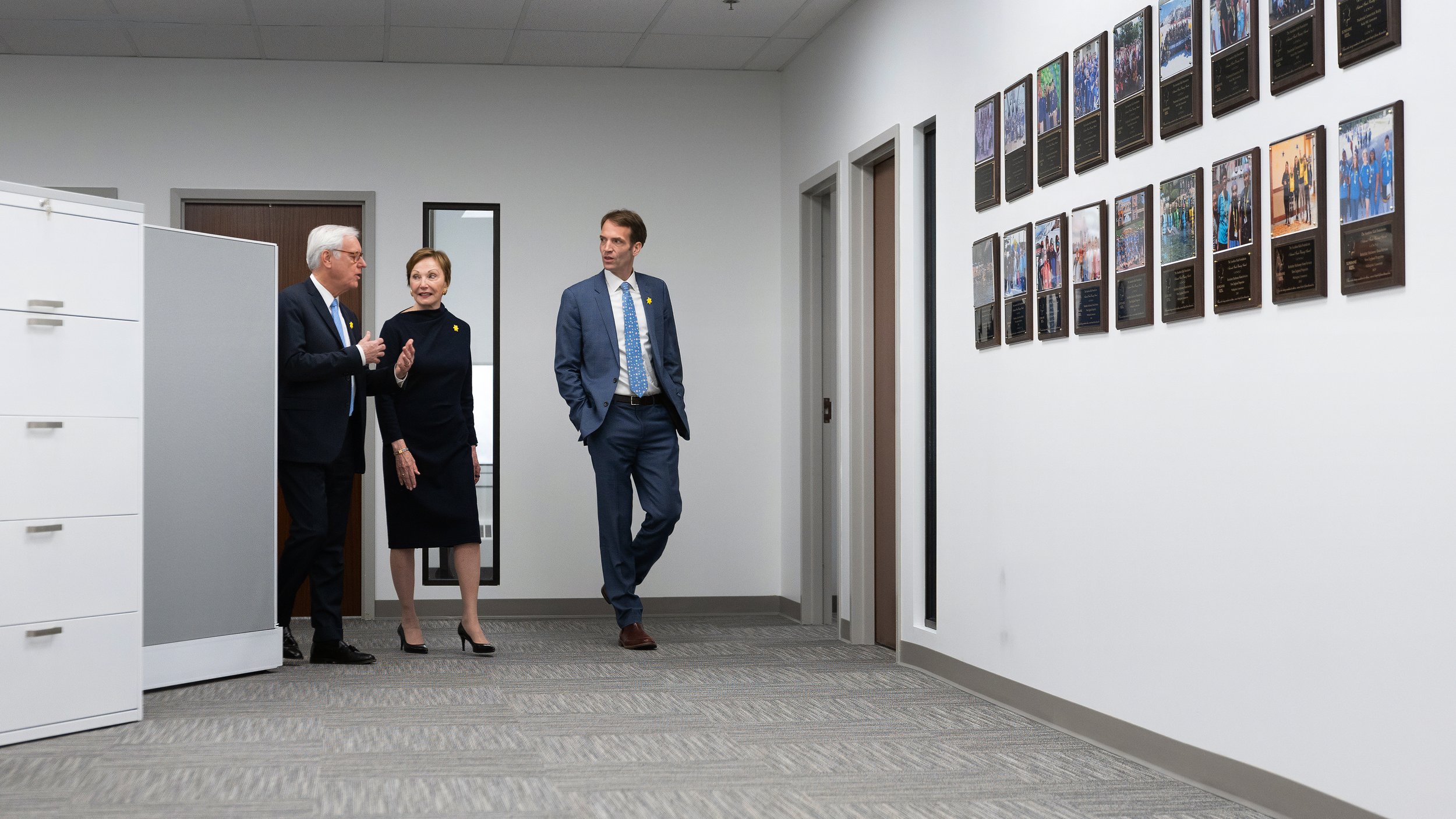
Corporate lifestyle photography moves beyond formal portraits to explore people interacting within their everyday professional environment.
There is something I particularly enjoy about photographing people in motion or in conversation. The image begins to move away from the traditional idea of a corporate portrait and toward a more documentary approach. The environment becomes part of a larger visual story, and the people are no longer simply standing in front of a background. They are occupying a space, interacting with one another, and creating the kinds of moments that help communicate the character of an organization.
Photographing Relationships, Not Just Individuals
Group photography brings a different set of considerations. Everyone needs to be seen, the lighting needs to work across the composition, and the arrangement should feel balanced. But beyond those technical requirements, I'm interested in how people relate to one another. A group photograph can be a formal record of who belongs to a team, or it can suggest something about the relationships and personalities that make the team work.
For one of the Berkshire Hathaway HomeServices compositions, I photographed several professionals gathered within an office setting. Rather than creating a conventional lineup, the arrangement allowed for a sense of conversation and interaction. I liked the relationship between the people, the window light, and the way the surrounding space framed the scene. The photograph communicates something different from the individual portraits. It introduces the idea that a company is more than a collection of professional biographies. It's a community of people whose individual experiences contribute to something larger.
A Portrait Doesn't Have to Look Corporate to Be Professional
Some of my favorite professional portraits don't immediately announce themselves as corporate photographs. They might be created outdoors, near an interesting building, in a comfortable interior, or somewhere that has very little to do with a traditional workplace. The person is still being photographed for professional reasons, but the setting and approach allow for a different kind of expression. I think this is especially valuable for people whose professional relationships depend on trust, familiarity, and personal connection.
Real estate is an interesting example because the work is inherently personal. Although the industry involves properties, markets, and transactions, it also involves relationships and important moments in people's lives. A professional portrait can communicate competence, but it can also communicate warmth, approachability, and individuality. I don't think those qualities need to be manufactured. They're often already present. The photographer's responsibility is to create an environment in which they can become visible.
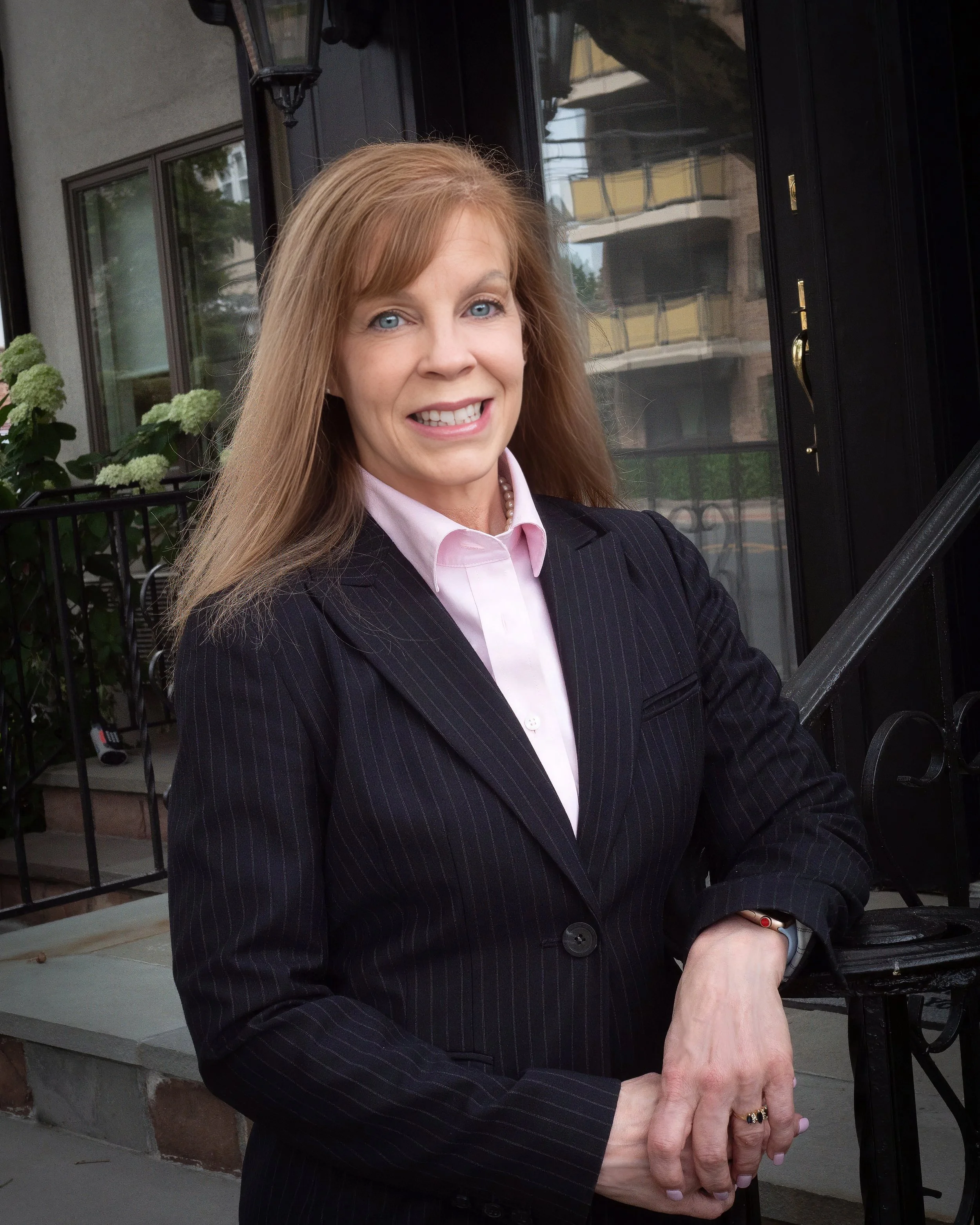
Professional portraiture can take on a more personal character when the surrounding environment becomes part of the composition.

A simple setting, beautiful natural light, and an unguarded expression. Sometimes the most compelling portraits emerge when we allow someone's personality to take center stage, without distraction.
The change in setting also changes the visual language of the photograph. Natural light, architecture, foliage, and the surrounding colors all influence how a portrait feels. A photograph made against a neutral office wall may communicate something very different from one created outdoors on a beautiful day. Neither approach is necessarily better. What matters is understanding the person, the intended use of the image, and the emotional quality we want the photograph to communicate.
The Art of Making Someone Comfortable
I've come to believe that one of the most valuable skills a portrait photographer develops is the ability to make people feel comfortable. It's easy to become absorbed in the technical side of photography, especially when working with sophisticated lighting and cameras, but the person in front of the lens is experiencing something entirely different. They may be wondering how they look, whether they're standing correctly, or what to do with their hands. They may be thinking about everything except the expression we're hoping to capture.
I try to make the process conversational. Sometimes that means giving a little direction, sometimes it means making an adjustment to the lighting or composition, and sometimes it means allowing a moment to unfold without interrupting it. I don't believe every photograph needs a broad smile or a particular expression to be successful. What matters is that the expression feels believable. Confidence can be quiet. Warmth can be subtle. Personality often reveals itself in the smallest gestures.
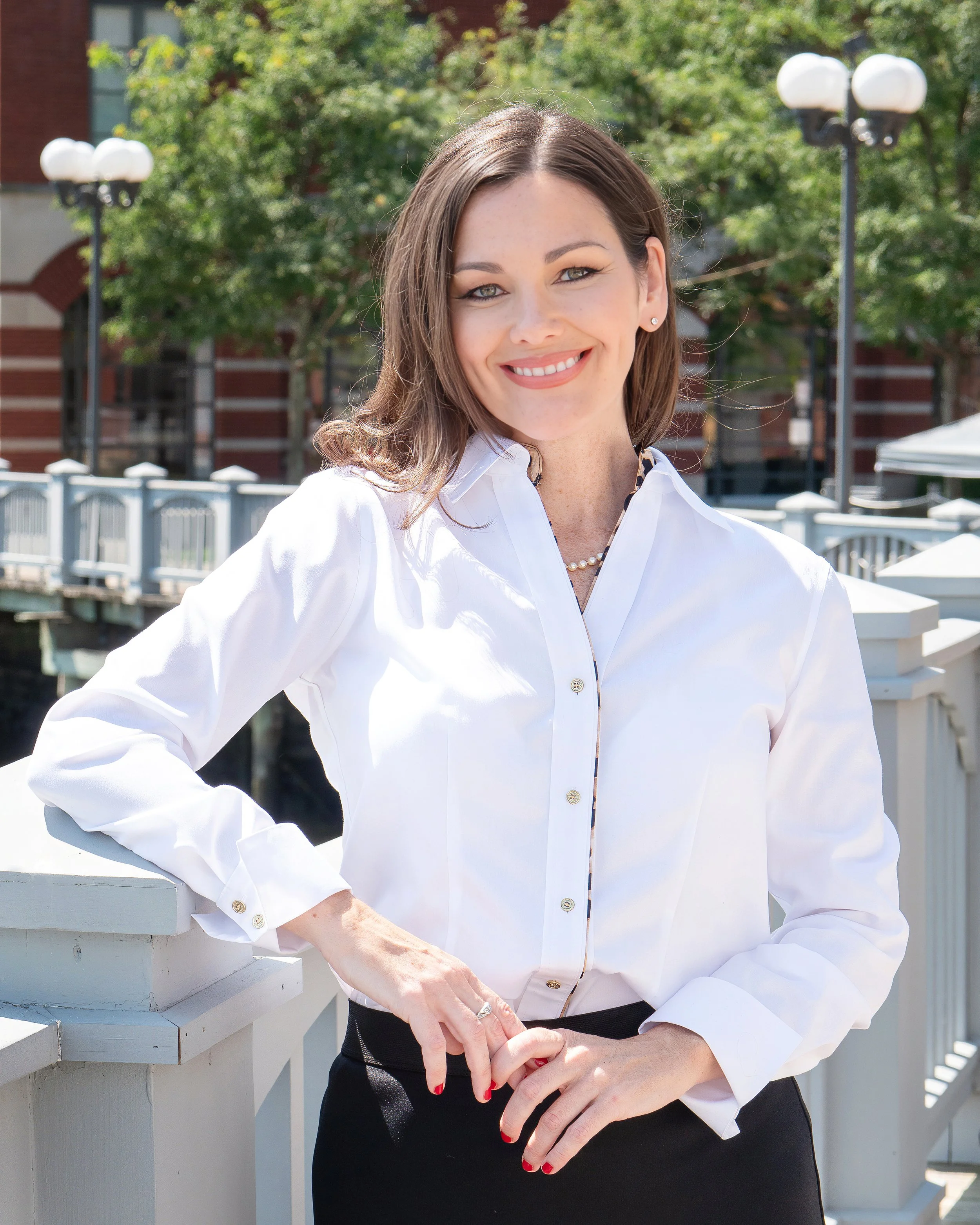
A relaxed environmental portrait that balances professional presentation with natural expression and a sense of place.
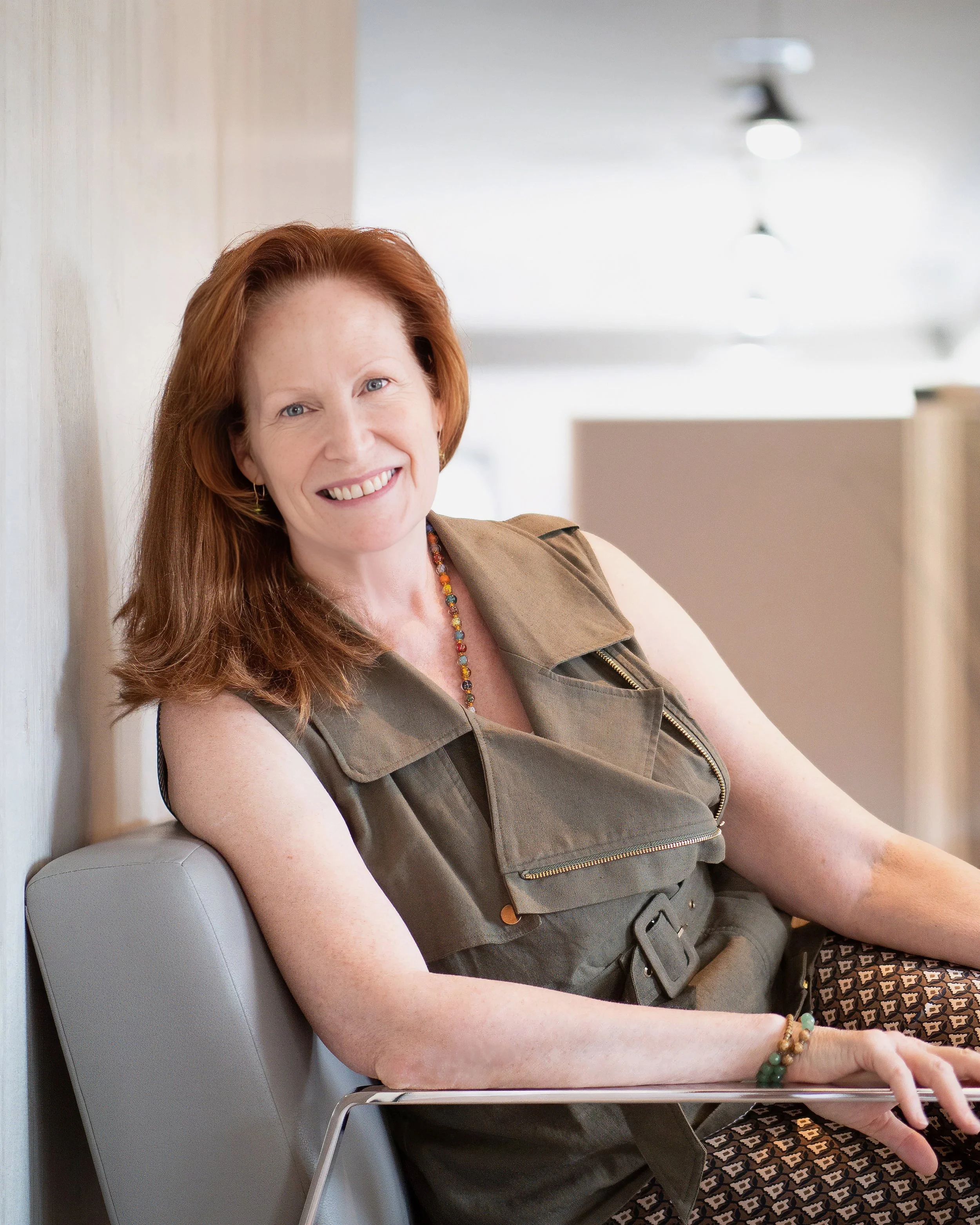
A comfortable setting and conversational approach allow personality to emerge naturally in a professional portrait.
What Remains After the Photograph Is Made
Corporate photographs are often created to meet an immediate need. A company is updating its website, introducing a leadership team, refreshing marketing materials, or developing a consistent visual identity across multiple offices. Those are all practical reasons to commission photography, and they're important. But I've always found it interesting that photographs frequently outlive the circumstances for which they were originally created.
A portrait might accompany someone through years of professional growth. A group photograph may eventually become a record of people who worked together during a particular chapter of an organization's history. Images created for marketing can take on a more personal significance as time passes. That's one of the things I appreciate about photography. We make pictures in the present, often for a specific purpose, without fully knowing what they may come to mean in the future.
Looking back through these Berkshire Hathaway HomeServices photographs, I'm reminded that the strongest images are not necessarily the most elaborate. Sometimes it's a person leaning comfortably against a doorway, a thoughtful expression in a familiar environment, or a group of colleagues sharing a moment together. The technical decisions matter, but they're ultimately in service of something more important.
I want to make photographs that people recognize themselves in. Photographs that feel considered without feeling contrived. Images that communicate professionalism without losing the qualities that make someone interesting in the first place.
Whether I'm photographing an artist, a musician, a family, or a business leader, the work begins with the same curiosity. Who is this person, and what can I notice that might otherwise go unseen?
That question continues to make portraiture one of the most rewarding parts of my life as a photographer.
Photography and Written Reflections by Charles Maring
Charles Maring is an award-winning photographer, filmmaker, and visual artist whose work explores portraiture, human connection, and the art of visual storytelling. Based in Savannah, Georgia, with a strong presence in the Northeast he works with individuals and organizations throughout the United States.
Explore more of my photography, or discover professional corporate portraiture and visual storytelling through Maring Visuals.