Fine Art Landscape Photography
Charles Maring’s fine art photography is shaped by decades of travel, commissioned work, and an enduring curiosity about the world beyond the expected image. From expansive landscapes and architectural forms to disappearing neighborhoods and compositions created by the tide, each photograph begins with attention.
The work moves between beauty, memory, movement, and change. Some images emerge in remarkable destinations, while others are discovered in ordinary places most people pass without noticing. Together, they reflect the eye of a photographer and painter drawn to light, line, gesture, human presence, and the fleeting moment when the familiar reveals something unexpected.
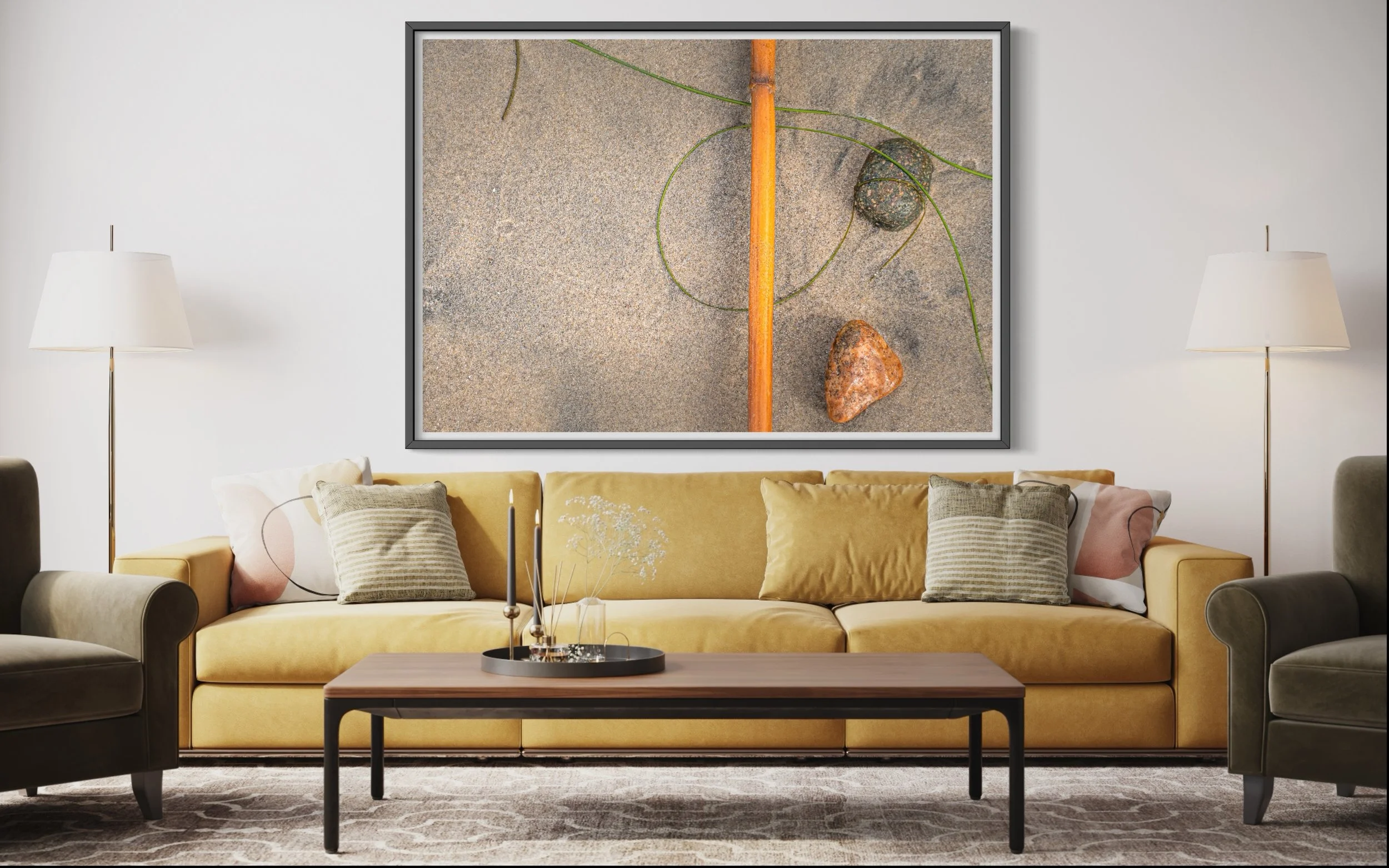
Tidal Composition, Oceanside Beach, California. Beach grass and smooth stones arranged by the tide and preserved moments before the sea transformed the composition again. Fine art photograph by Charles Maring.
The Art of Paying Attention
My commissioned work has carried me into remarkable places, but I remain open to the photograph beyond the assignment. Sometimes it is an expansive landscape encountered while traveling. At other times, it is a quiet arrangement of seaweed, grasses, and stones that will disappear with the next tide.
Photography encourages me to slow down and study the world more closely. On Oceanside Beach, I began noticing small compositions formed naturally in the sand. Nothing was arranged. The tide had already created line, gesture, balance, color, and negative space. My role was simply to become still enough to recognize it.
Years spent painting have changed the way I see through the camera. I notice the sweep of a branch as a drawn line, the shape of architecture as abstraction, or a strand of kelp as a brushstroke. The subjects may change, but the search remains the same: to recognize the moment when something ordinary reveals a deeper visual order.
Travel expands where I look. Painting expands how I see. Photography preserves the moment before it changes.
The Road Reveals Itself
I have often found that a landscape reveals itself gradually. The destination may inspire the journey, but the road determines what is ultimately seen.
In Spain’s Rioja wine region, a long dirt road moved through cultivated fields toward the distant Pyrenees. The landscape carried the visible marks of human labor, while the mountains beyond felt ancient and untamed. There was no single landmark commanding attention, only the pull of the road and the quiet promise of what might exist beyond the next rise.
That sense of movement appears throughout my work. From roads and railways to sailing passages and views discovered from the air, I am drawn to the space between departure and arrival. Photography allows me to preserve not only where a journey leads, but the experience of moving through it.
Sometimes the road itself becomes the destination.
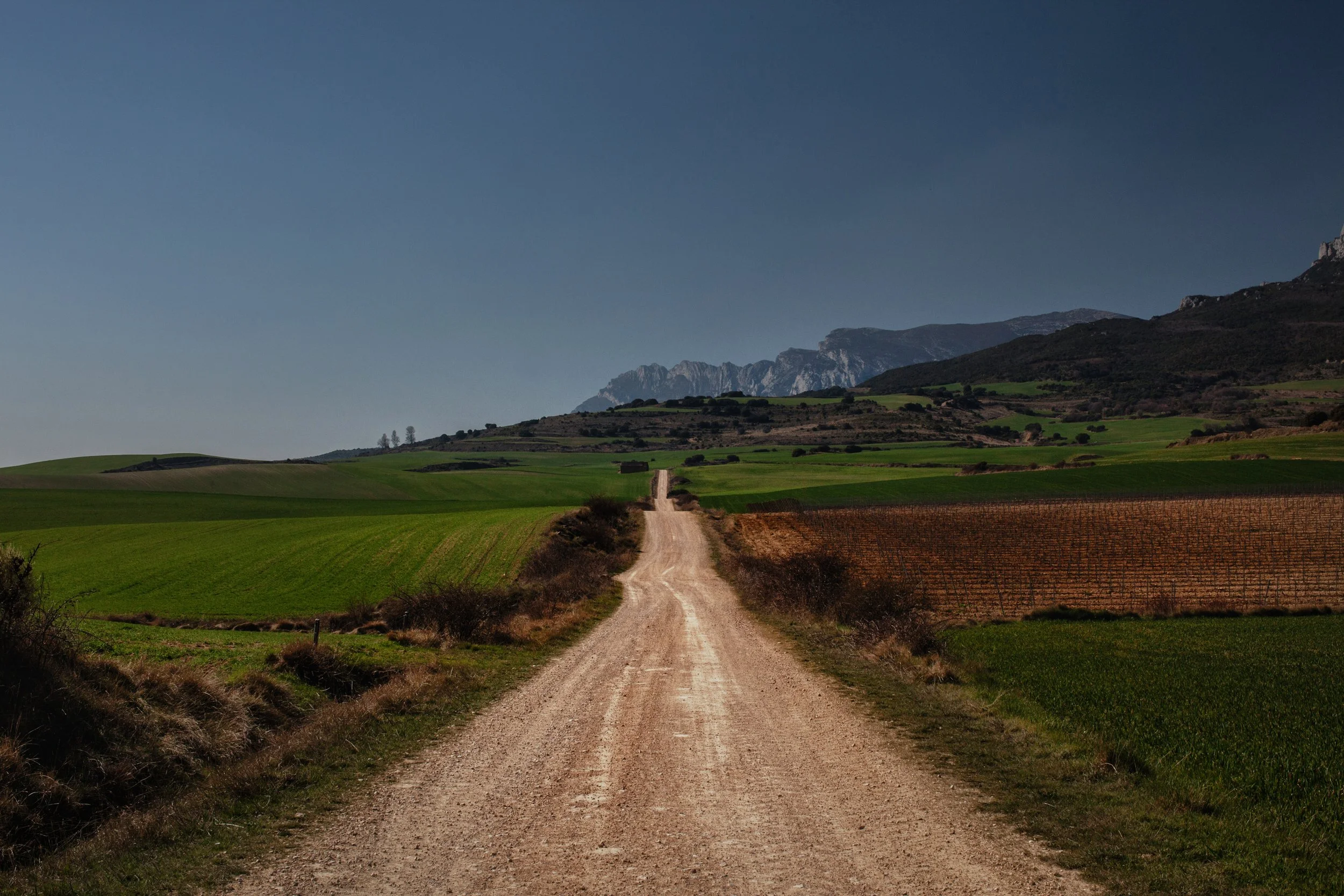
Road to the Pyrenees, Rioja, Spain. A dirt road travels through cultivated fields toward the distant mountains, transforming the space between departure and arrival into the subject itself. Fine art photograph by Charles Maring.
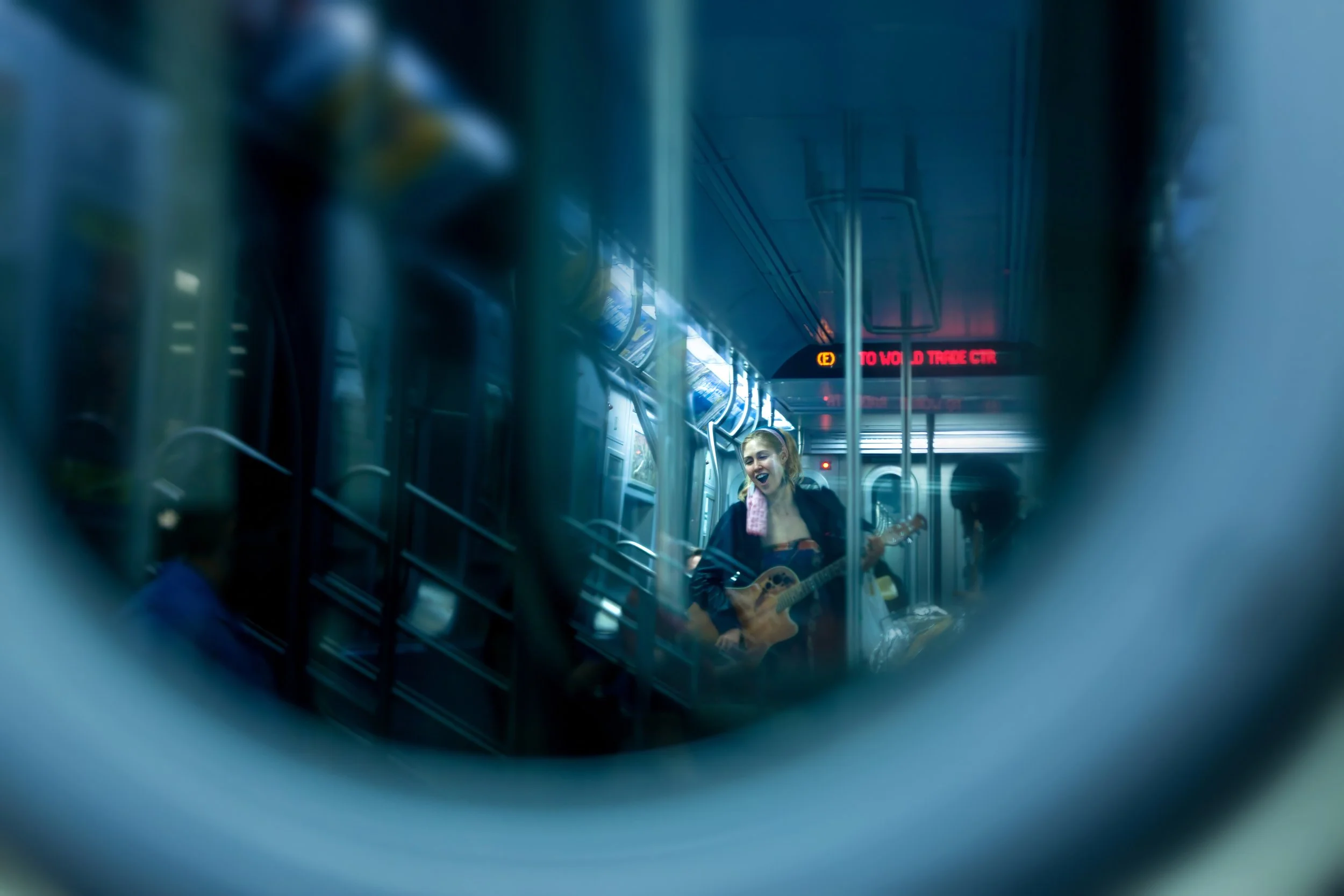
The Car Behind Me, New York City. A woman plays guitar and sings in the adjoining subway car, framed through glass, reflections, and the movement of the train. Fine art photograph by Charles Maring.
I am drawn to moments when an ordinary place is briefly transformed by human expression. A subway car becomes a concert hall. A public passage becomes a private sanctuary. A stranger reveals something of herself before the city carries us in different directions.
I photographed this musician through the window separating my subway car from the one behind it. Reflections, scratched glass, steel framing, and the movement of the train created a natural frame around her. She was not performing for my camera. I was simply fortunate enough to recognize the moment before it disappeared.
Human figures often enter my work this way. They are rarely posed or presented as conventional portraits. Instead, they become part of the atmosphere, giving emotional scale and meaning to the environments they inhabit.
The Unexpected Stage
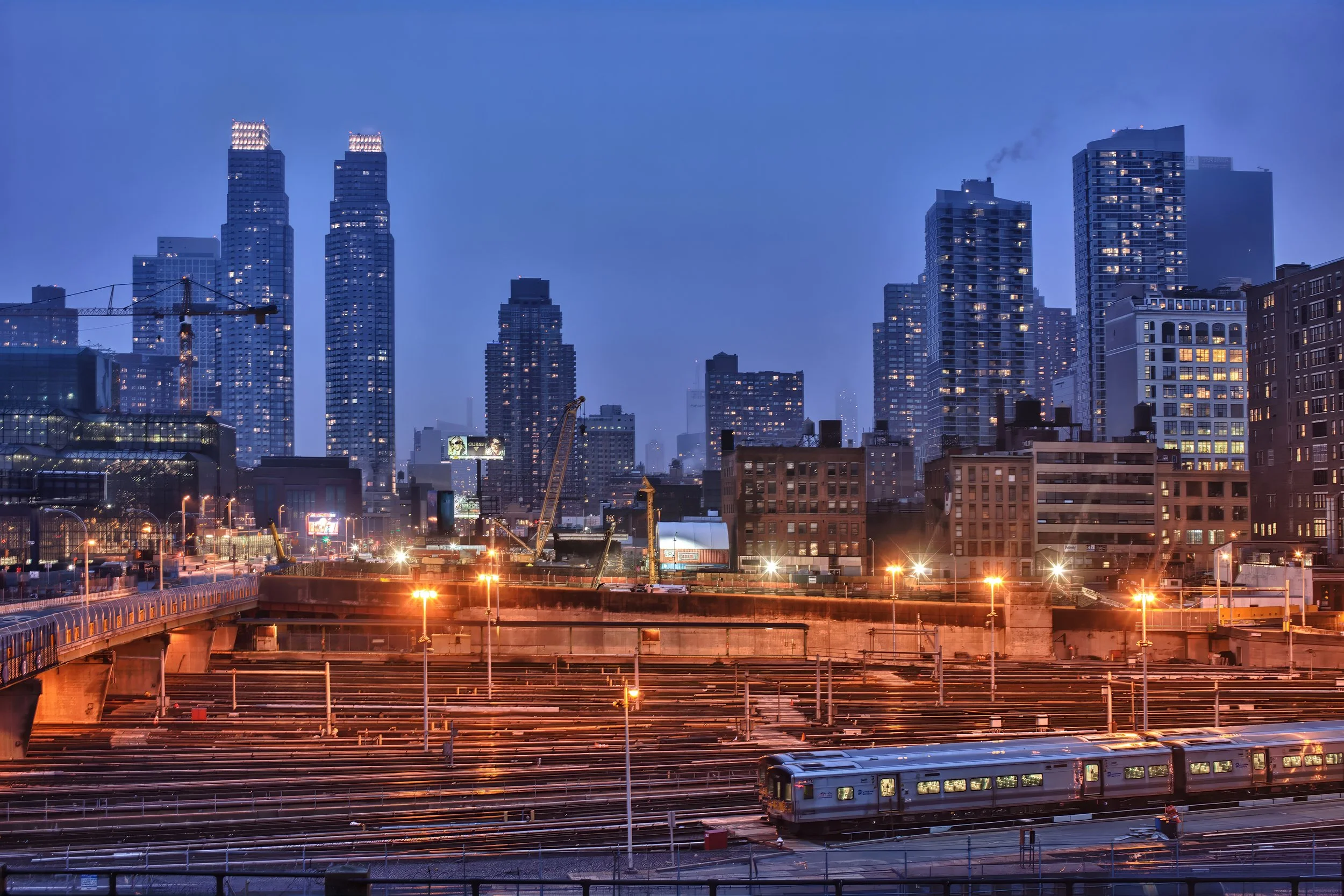
Before Hudson Yards, New York City. Active rail yards and the western Manhattan skyline at dusk, photographed before Hudson Yards rose above the tracks. Fine art photograph by Charles Maring.
A City in the Act of Becoming
For fifteen years, I lived above the rail yards in West Chelsea and watched the western edge of Manhattan transform. From my terrace at West 30th Street and Eleventh Avenue, the tracks, trains, industrial lights, changing weather, and distant skyline became part of the landscape of daily life.
This photograph was created at dusk, before Hudson Yards occupied the open space above the active rail yards. Trains can be seen in the lower corner while the city gathers beyond it. The cool evening atmosphere and scattered industrial light hold Manhattan at a threshold between what it had been and what it was preparing to become.
I was not documenting the transformation from a distance. I lived within it. As construction advanced, the open view gradually disappeared behind a new skyline. Photography allowed me to preserve not only the physical landscape, but the experience of watching one version of the city give way to another.
Some photographs reveal themselves all at once. Others ask the viewer to remain with them long enough to discover what might initially be overlooked.
From above, this New York State inspection and tire shop became an intricate composition of stacked tires, hydraulic lifts, open garage bays, machinery, tools, and stained concrete. The sepia toning unifies these details, giving the image the character of an archival photograph and allowing the textures and geometry of the working space to emerge.
Then the man becomes visible.
Seated quietly inside the garage, he is easily missed among the equipment surrounding him. His presence changes the meaning of the photograph. What first appears to be a study of industrial form becomes a human scene, preserving an unremarkable pause within an ordinary working day.
I am drawn to images that reward a second look. The camera can record everything within the frame, but seeing requires curiosity, patience, and a willingness to search beyond the obvious.
Sometimes the smallest presence carries the greatest meaning.
Looking Beyond the Obvious
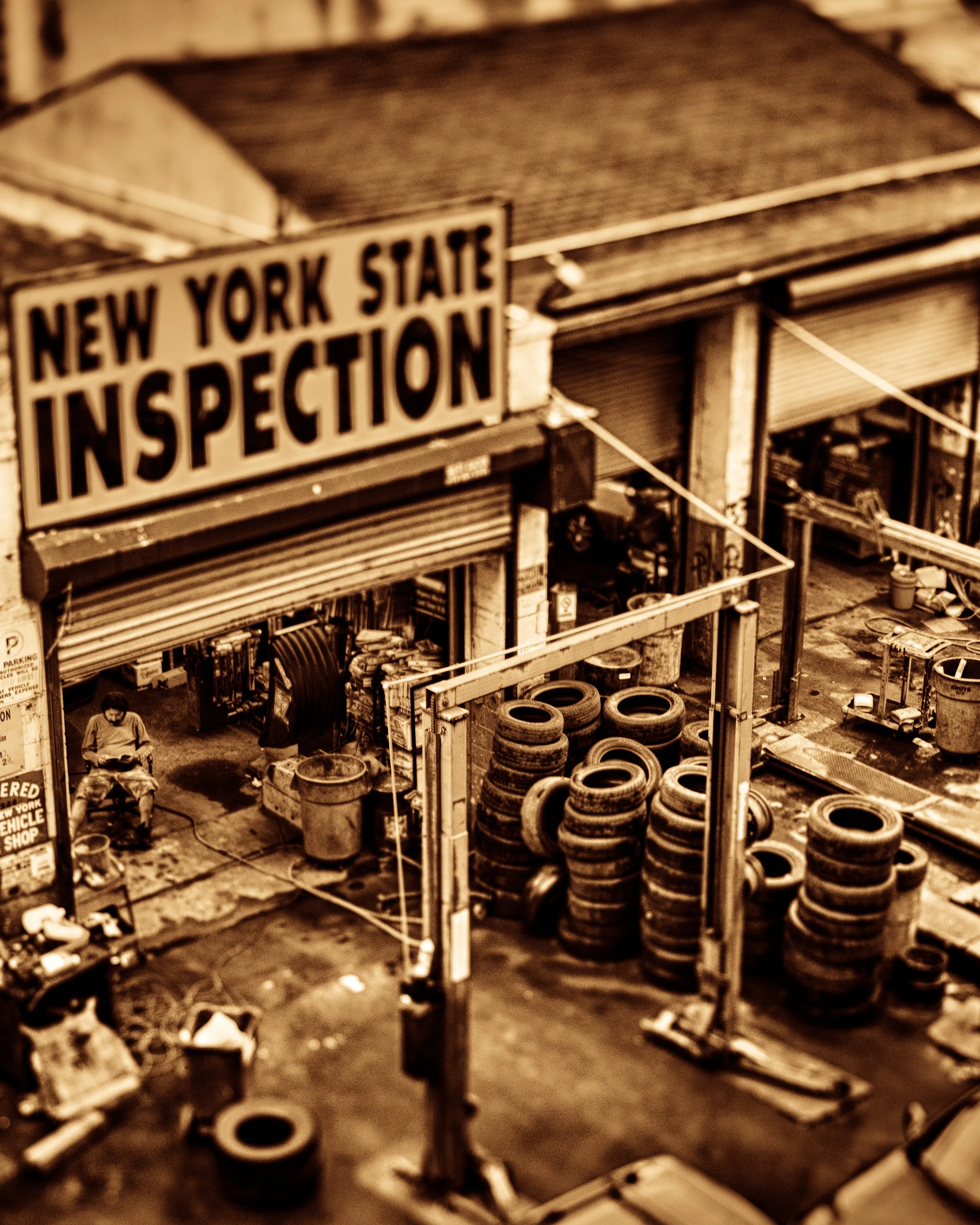
The Inspection, New York City. Amid stacked tires, machinery, and open garage bays, a seated man becomes the quiet human center of an intricate working landscape. Fine art photograph by Charles Maring.
A Life Behind the Lens
Photography has never been separate from the way I experience the world. I have sailed toward remote islands, moved through cities in the midst of transformation, photographed from aircraft, and followed roads into unfamiliar landscapes. The camera travels with me not simply to record where I have been, but to help me understand what I encounter along the way.
At times, the work requires adventure and physical access. At others, it requires patience, preparation, and the ability to move comfortably through refined environments. Whether photographing aboard a yacht in Newport, exploring a distant shoreline, or noticing an unexpected composition within an ordinary place, I bring the same curiosity and attention to the experience.
The film above offers a glimpse into the life surrounding the photographs: the movement, travel, observation, and creative instinct that exist before a finished image is made.
The work is not simply inspired by the life I live. The life and the work have become one.
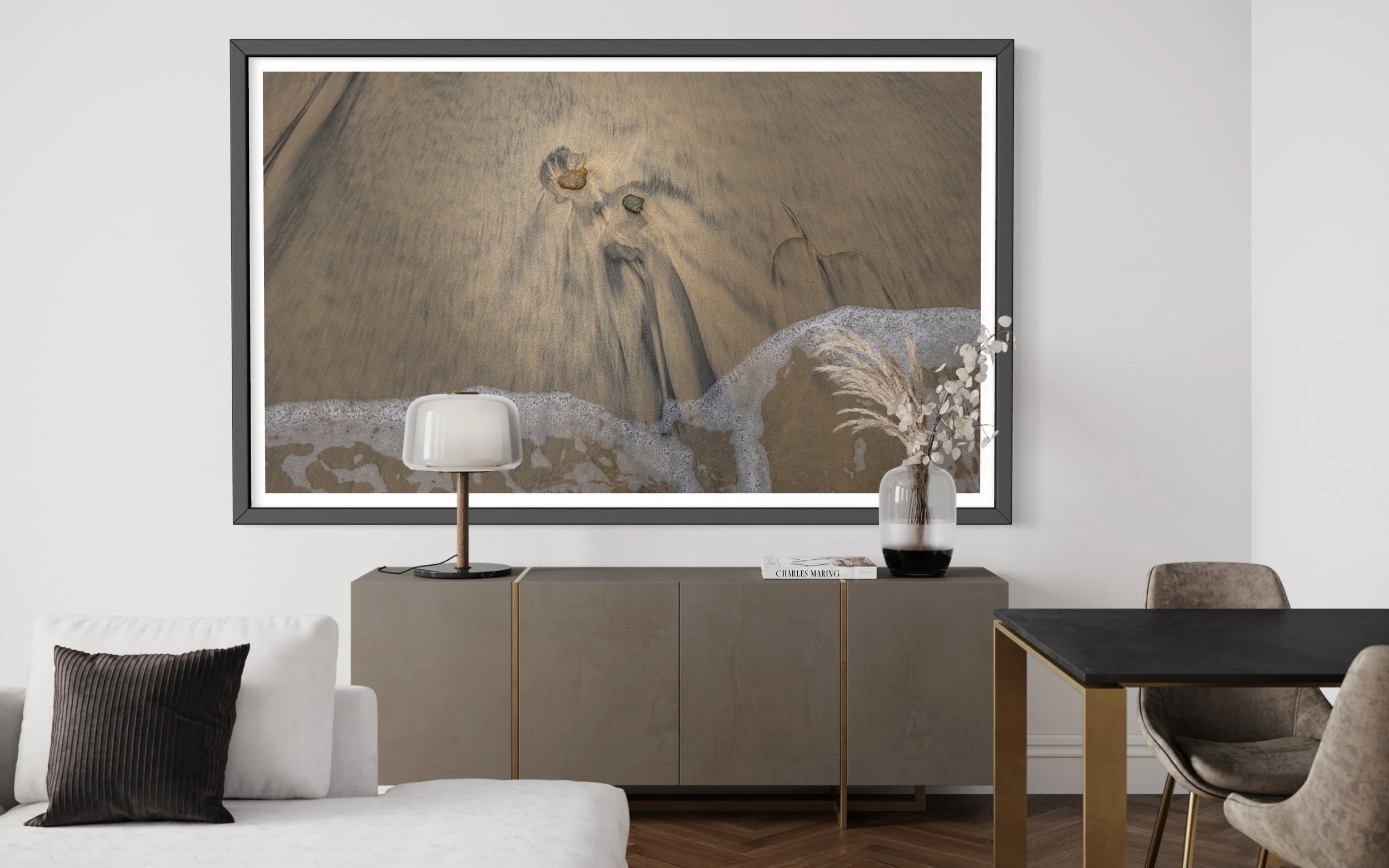
Ghosts in the Sand. Fleeting marks along the shoreline become an abstract study of movement, memory, and impermanence.
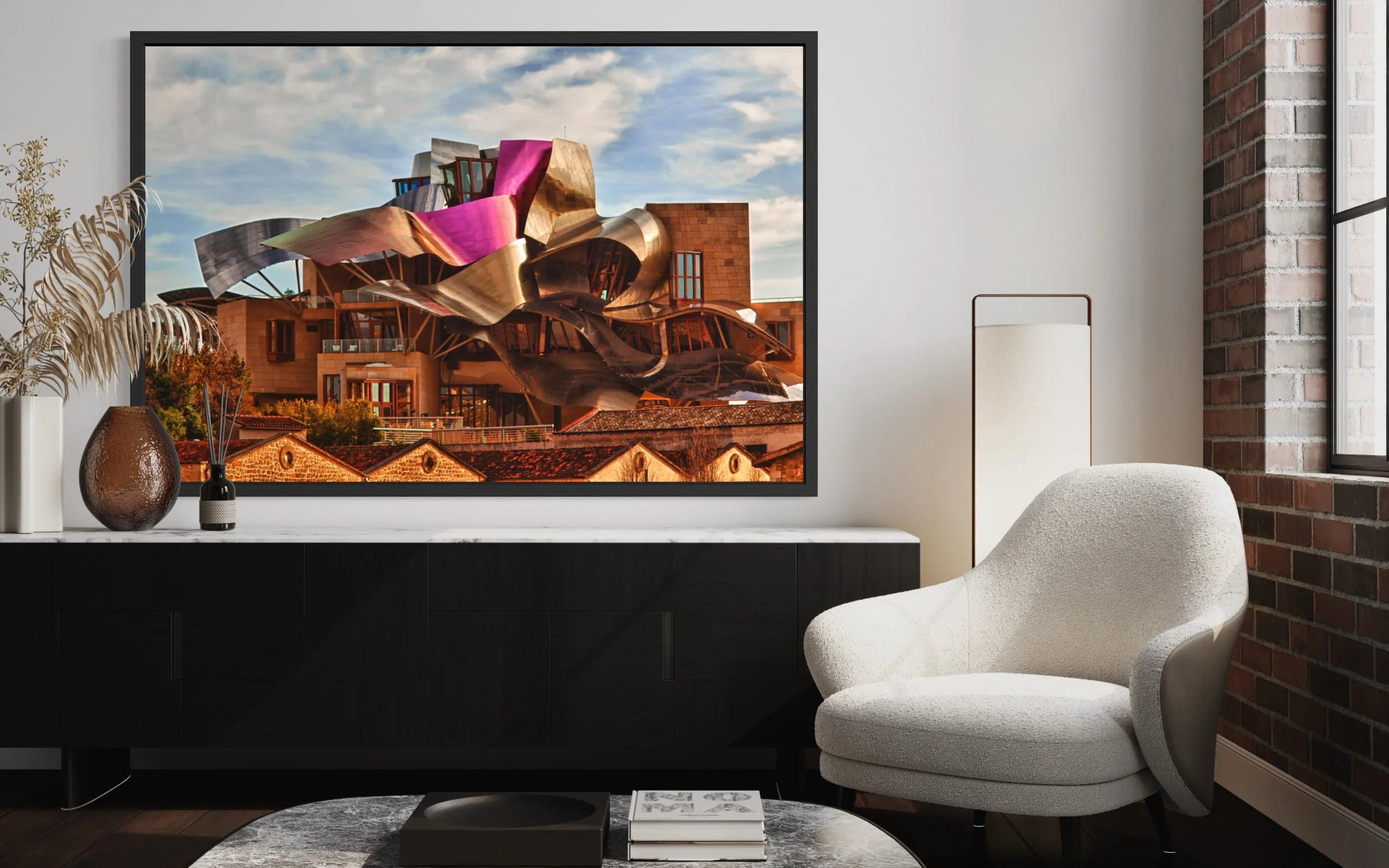
Marqués de Riscal, Rioja, Spain. Frank Gehry’s contemporary architecture rises from a landscape shaped by vineyards, history, and tradition.
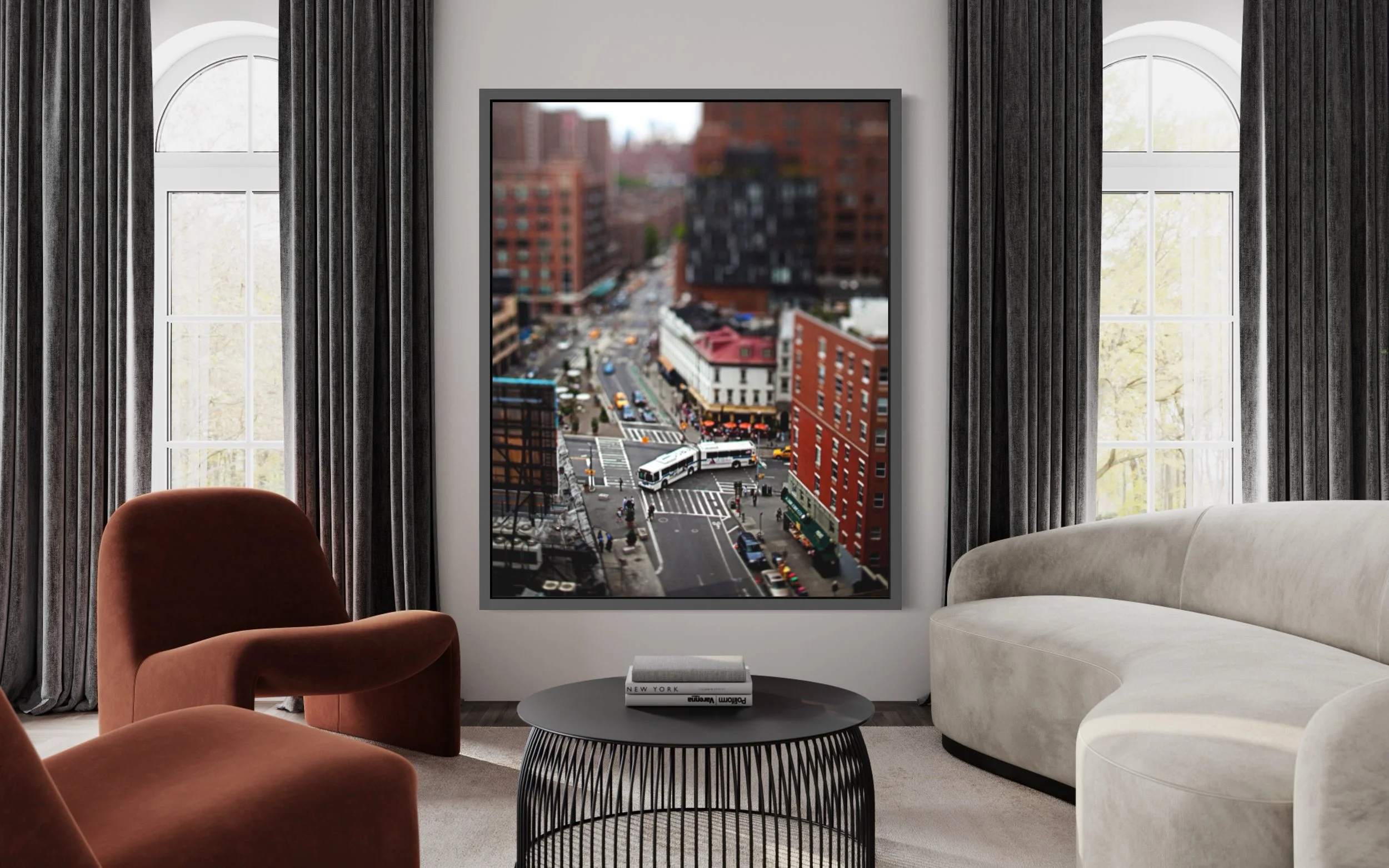
Turning the Corner, West Chelsea. A city bus moves through the architecture, reflections, and changing rhythm of the neighborhood.
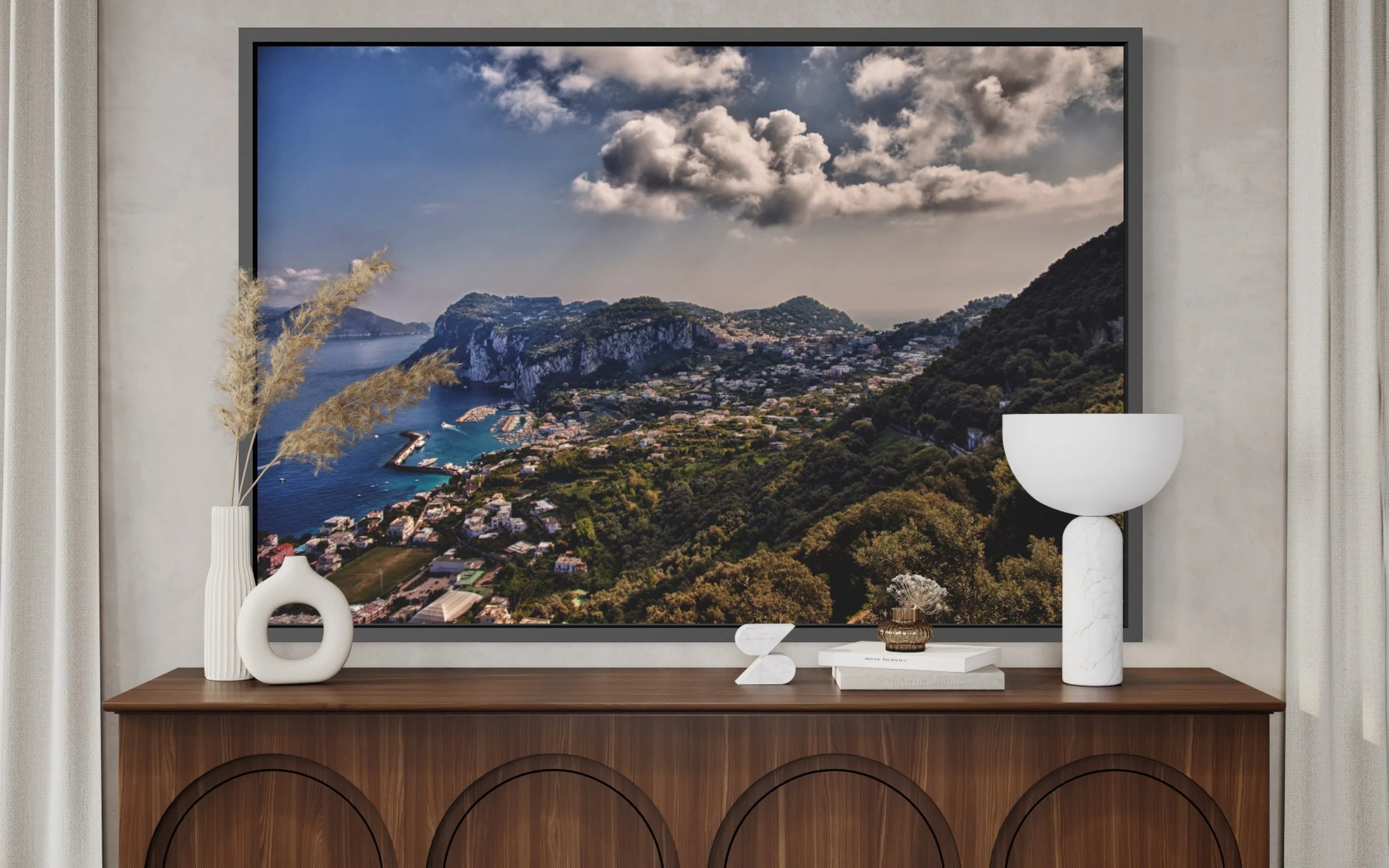
Above Marina Grande, Capri, Italy. The Mediterranean, mountains, and inhabited coastline unfold beneath sculptural clouds.
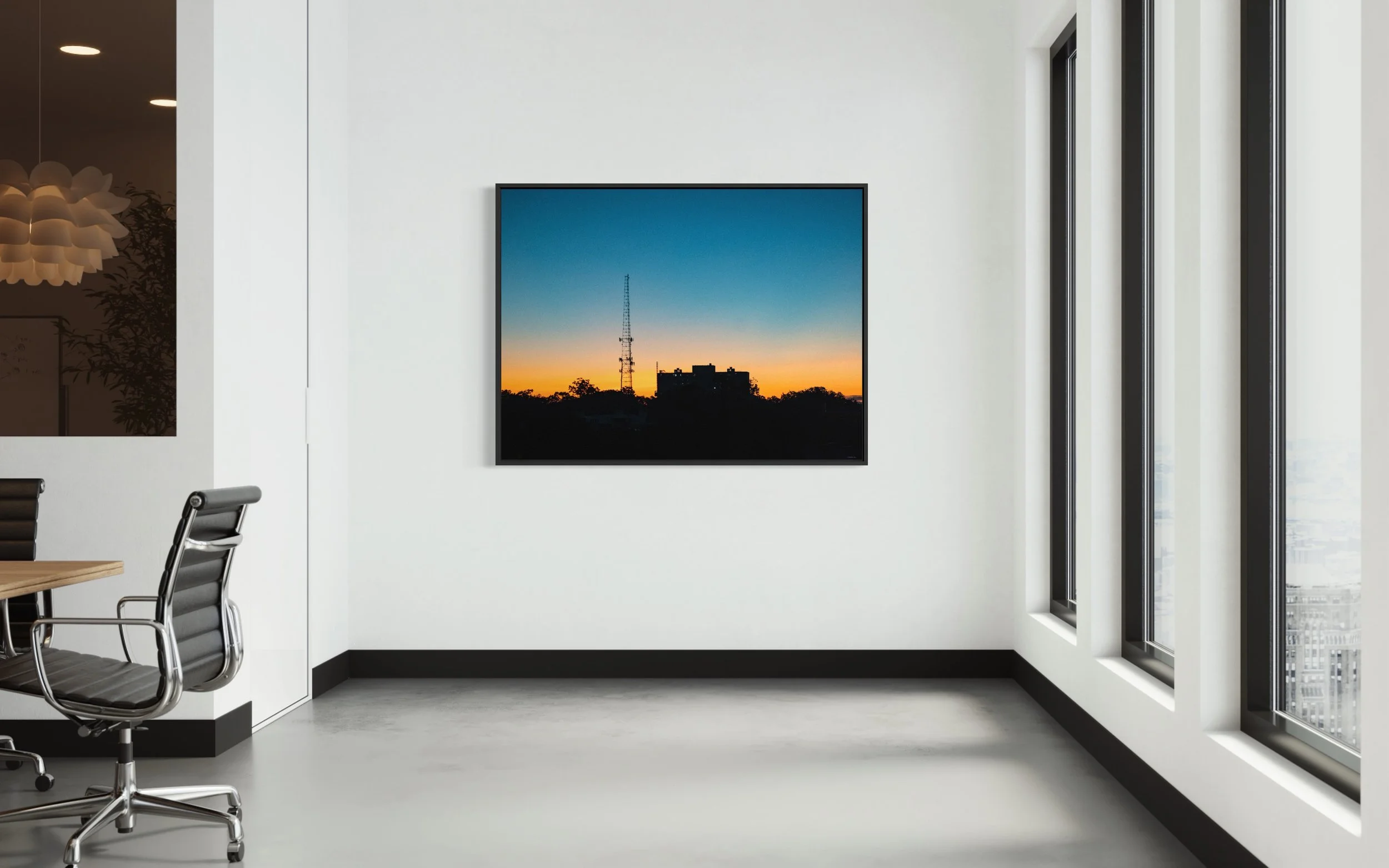
Savannah at Sunrise. A historic tower rises into the morning light as the city gradually emerges from shadow.
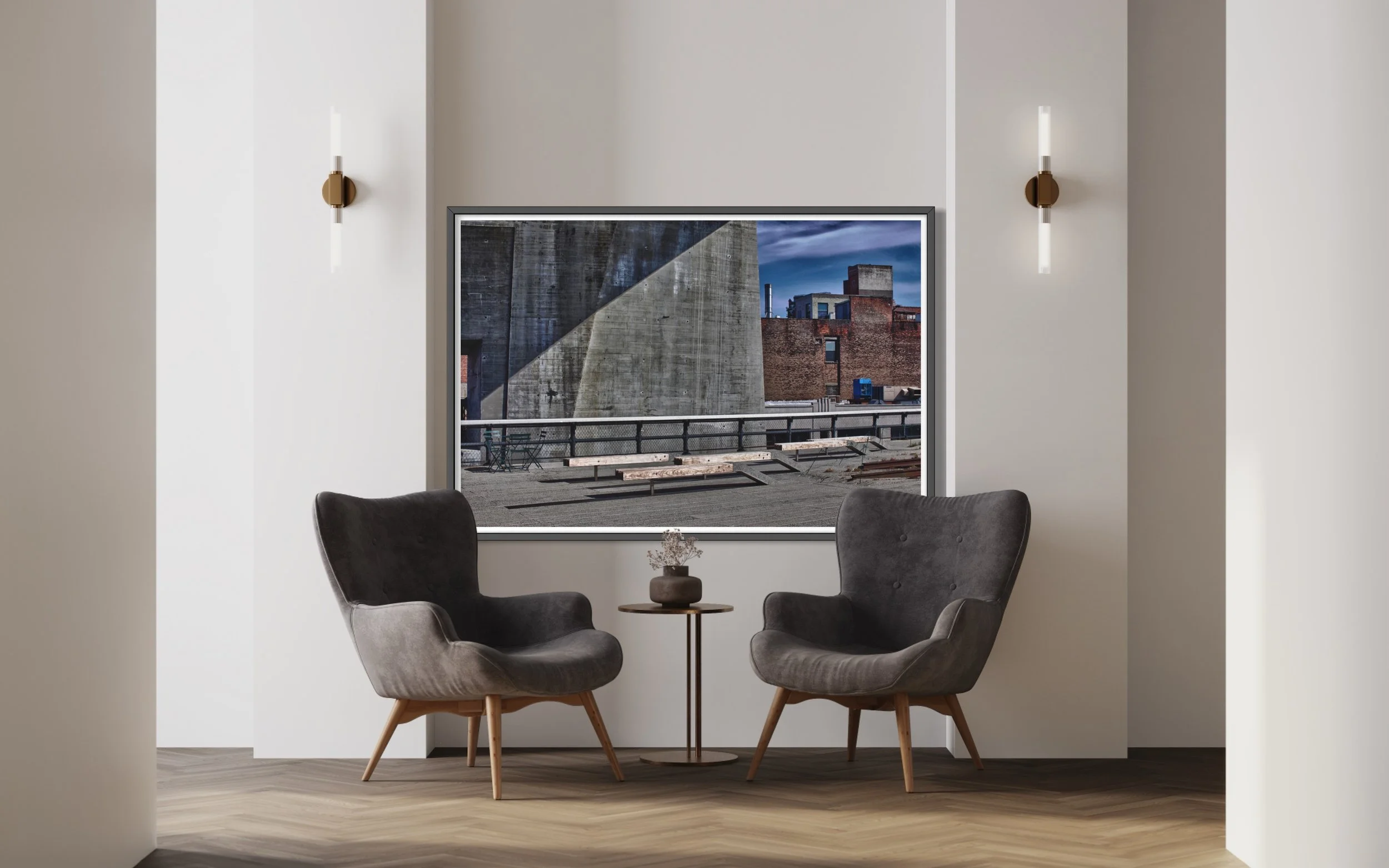
The High Line Benches, New York City. Repetition, and perspective transform a familiar public space into a geometric urban composition.
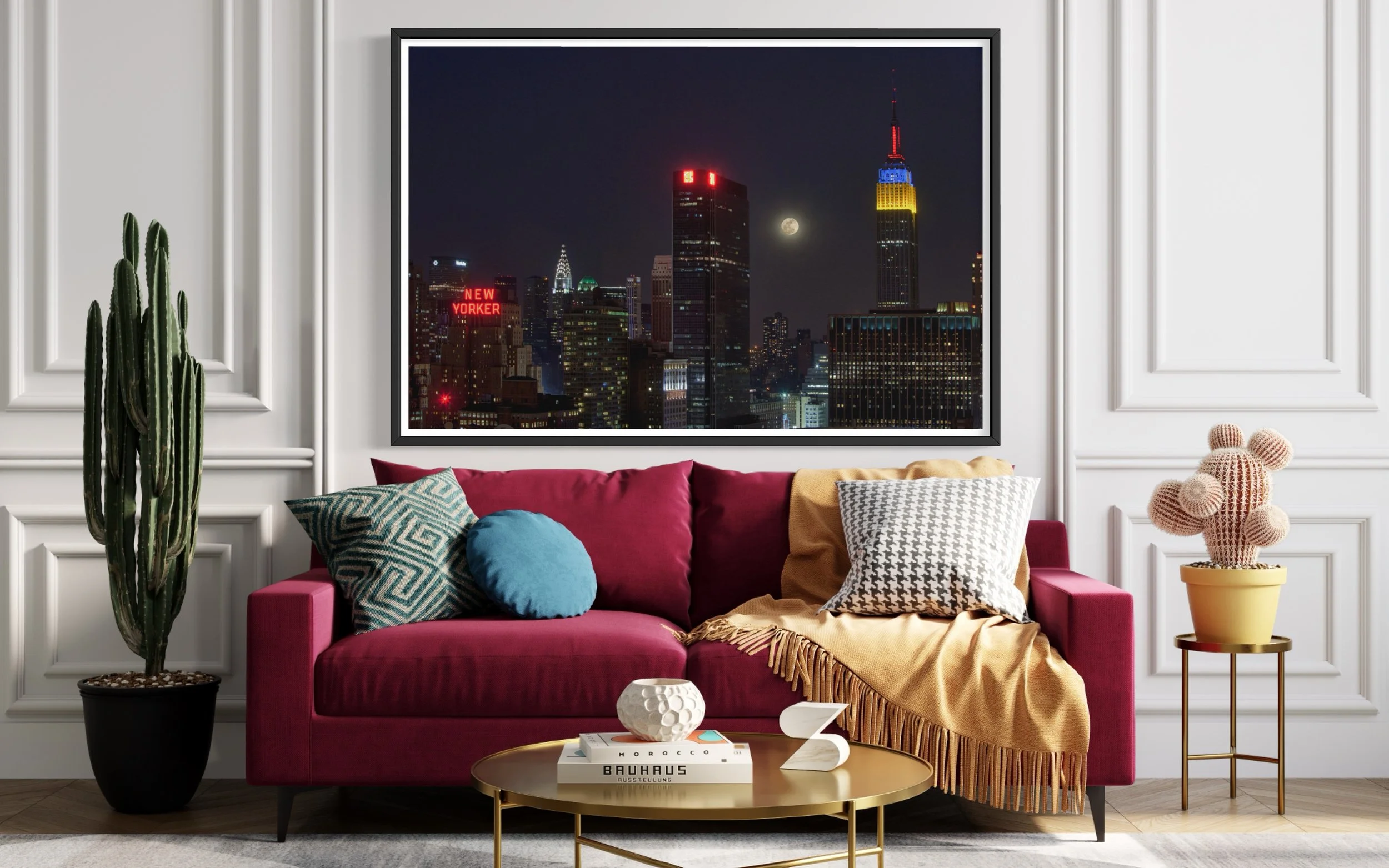
Manhattan at Full Moon, New York City. Moonlight and the illuminated skyline hold the city between atmosphere, architecture, and night.
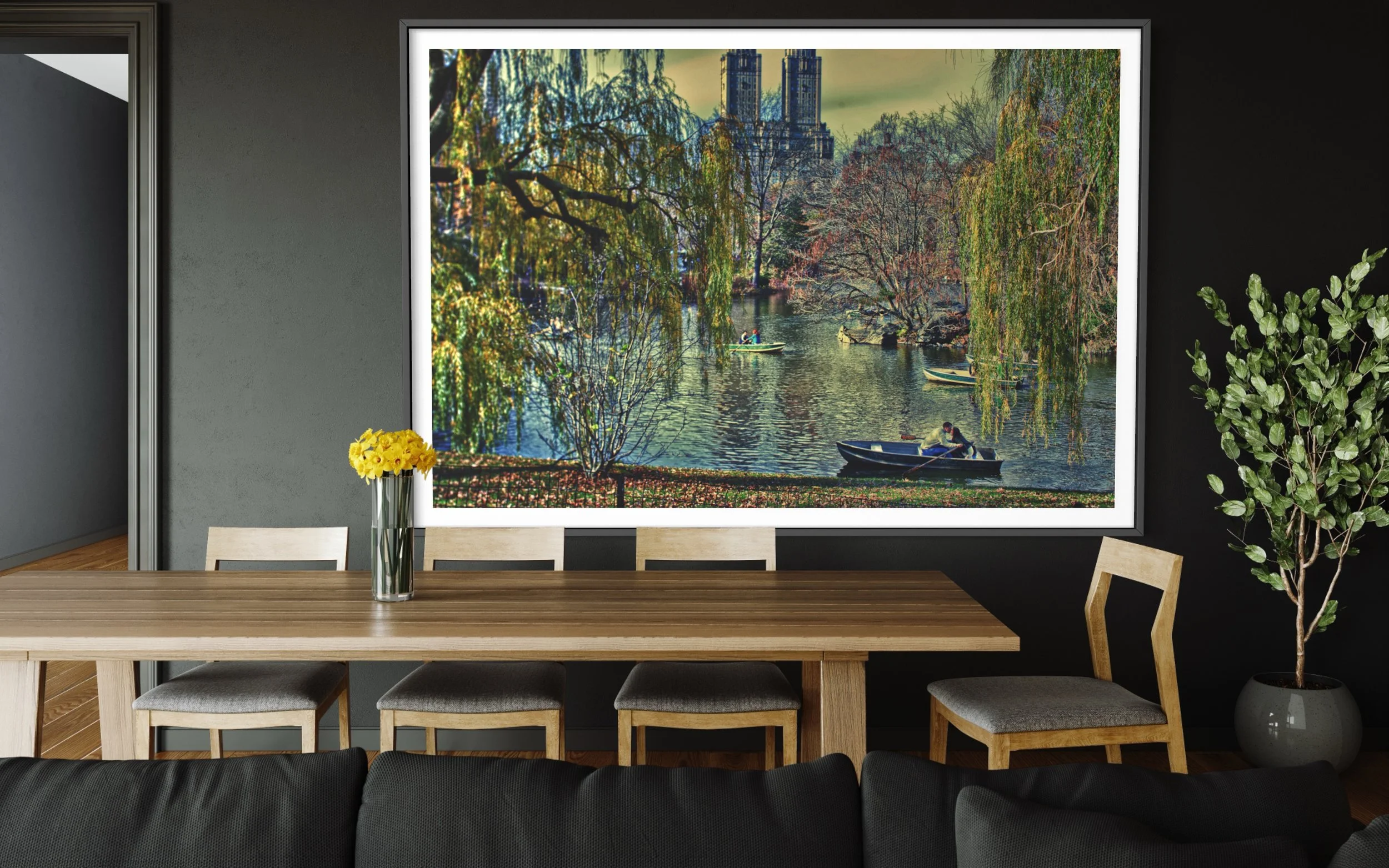
The Rowboat, Central Park. A couple drifts through the landscape, becoming a quiet human presence within the city.
THE COMMISSIONED WORK
Artfully Created. Personally Meaningful
The same attention to light, composition, atmosphere, and human connection extends into the commissioned work I create through Maring Visuals. I photograph weddings, portraits, and corporate events with a refined visual approach shaped by decades behind the camera.
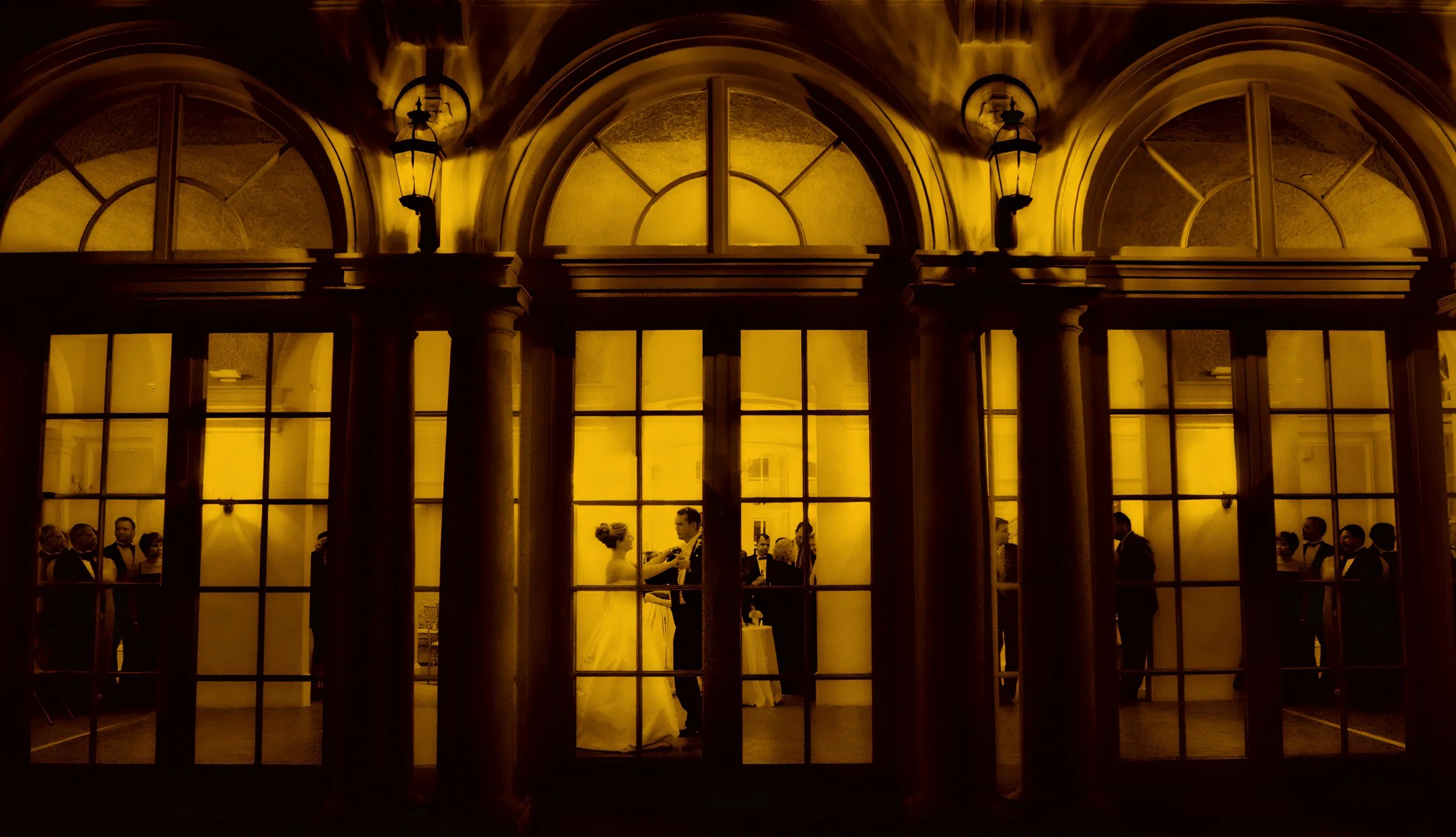
A First Dance, Seen Differently
Photographed through the window of a grand mansion, this split-toned image places the couple’s first dance within the architecture and atmosphere surrounding them. It reflects the Maring Visuals approach to commissioned photography: preserving genuine moments while creating images with the composition, depth, and enduring character of fine art.
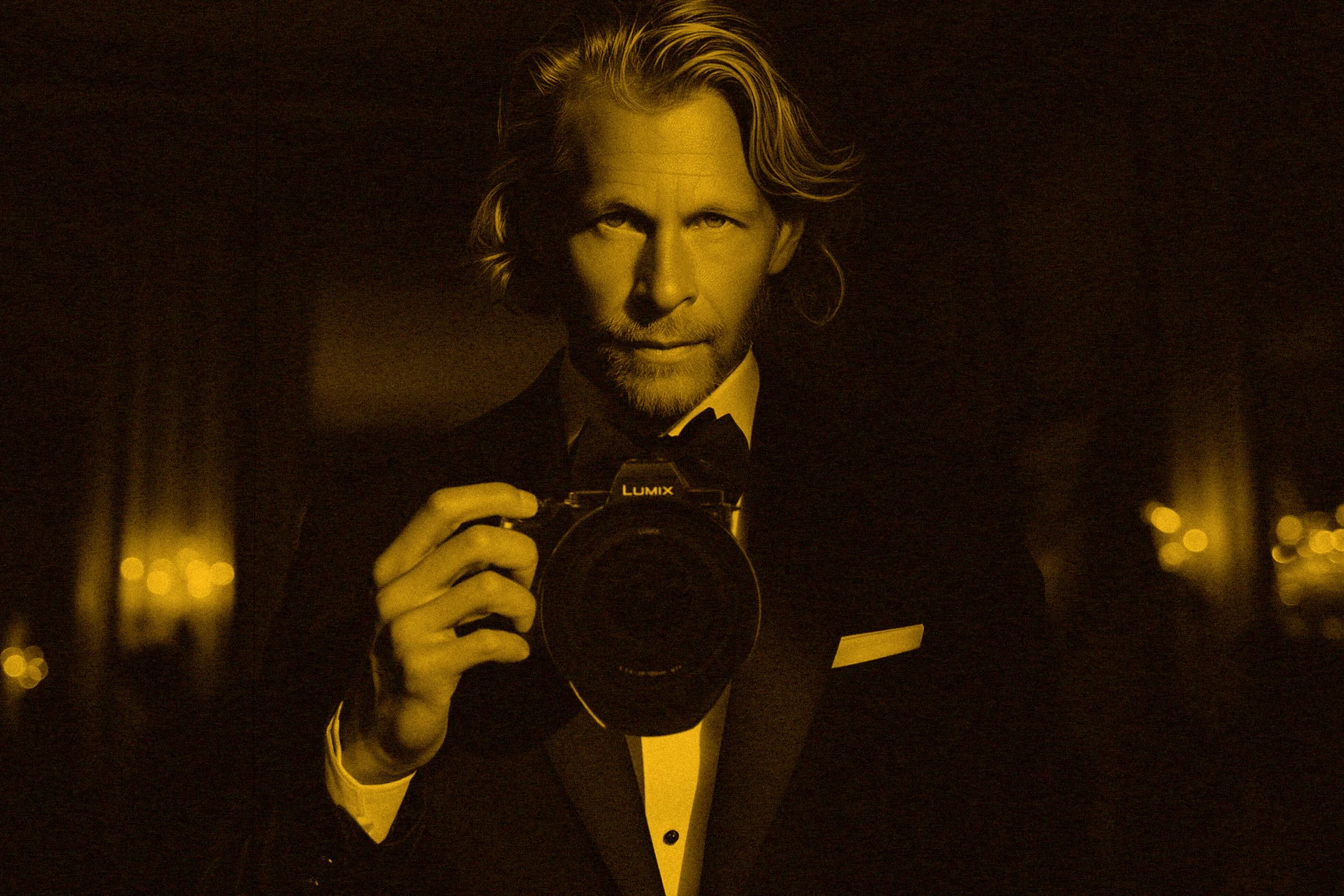
Charles Maring, artist and photographer. Decades behind the camera have shaped a visual approach grounded in composition, atmosphere, and meaningful human connection.