The Room and the Moment: Photographing the Great Ballrooms of America
An artist's perspective on architecture, atmosphere, and the human stories that bring extraordinary spaces to life.
There is a particular feeling that comes with entering a magnificent ballroom before the guests arrive. The tables are set, the flowers are arranged, the candles are waiting to be lit, and the architecture stands quietly in anticipation of something that has yet to happen. As a photographer, I have always loved that moment. There is an extraordinary amount of creativity represented in a beautifully designed celebration, from the architecture itself to the floral arrangements, lighting, table settings, and countless details that have been thoughtfully considered. For a brief period, before the music begins and the room fills with people, everything exists in a kind of perfect stillness. It is an opportunity to appreciate the work of so many talented people and to create photographs that preserve the atmosphere they have imagined.
Over the course of my career, I have photographed weddings and celebrations in some of America's most extraordinary spaces, from the historic ballrooms of New York City to grand estates and landmark hotels throughout the country. These assignments have taken me into rooms shaped by generations of craftsmanship, where soaring ceilings, elaborate chandeliers, marble columns, and remarkable architectural details create an atmosphere that can feel almost theatrical. Yet what has always fascinated me is the relationship between these extraordinary surroundings and the people who eventually bring them to life. A magnificent ballroom can inspire awe, but it is the laughter, anticipation, movement, and emotion of a celebration that ultimately give the photographs their meaning.
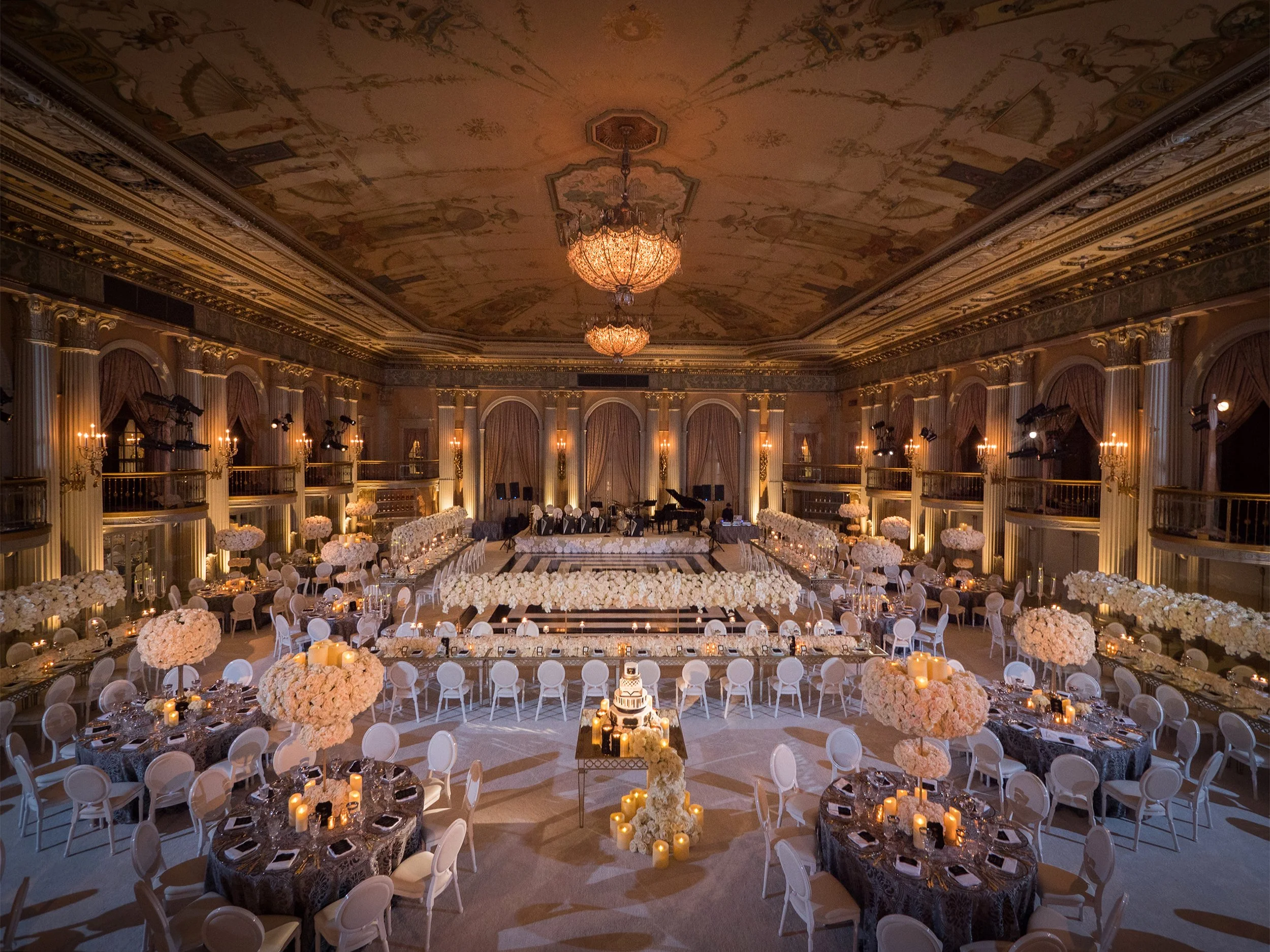
The magnificent architecture of the Millennium Biltmore Los Angeles creates a dramatic setting for an extraordinary celebration.
Before the Celebration Begins
I often make a point of photographing a ballroom before anyone arrives, sometimes working quickly during a narrow window between the completion of the event design and the opening of the doors. There is something deeply satisfying about finding a composition that brings together the architecture, flowers, lighting, and carefully arranged tables into a single photograph. I look for relationships between shapes, patterns, and lines, paying attention to the way chandeliers hang within the space, how the floral arrangements complement the architecture, and how the lighting creates depth and atmosphere. Sometimes the strongest photograph comes from finding a perfectly symmetrical vantage point. Other times it requires moving to an unexpected position, allowing an architectural detail or foreground element to create a more layered composition. The goal is not simply to document what the room looked like, but to create an image that communicates the experience of being there.
These photographs are also an important record of the creative collaboration behind an extraordinary event. Designers, florists, lighting specialists, planners, and production teams often spend months imagining how a space will be transformed, and their work deserves to be photographed with the same care that goes into its creation. I have always appreciated the opportunity to collaborate with people who are exceptional at what they do. Their artistry becomes part of the visual story, and the photographs can preserve details that may exist for only a few hours before the celebration ends and the room is returned to its original state.
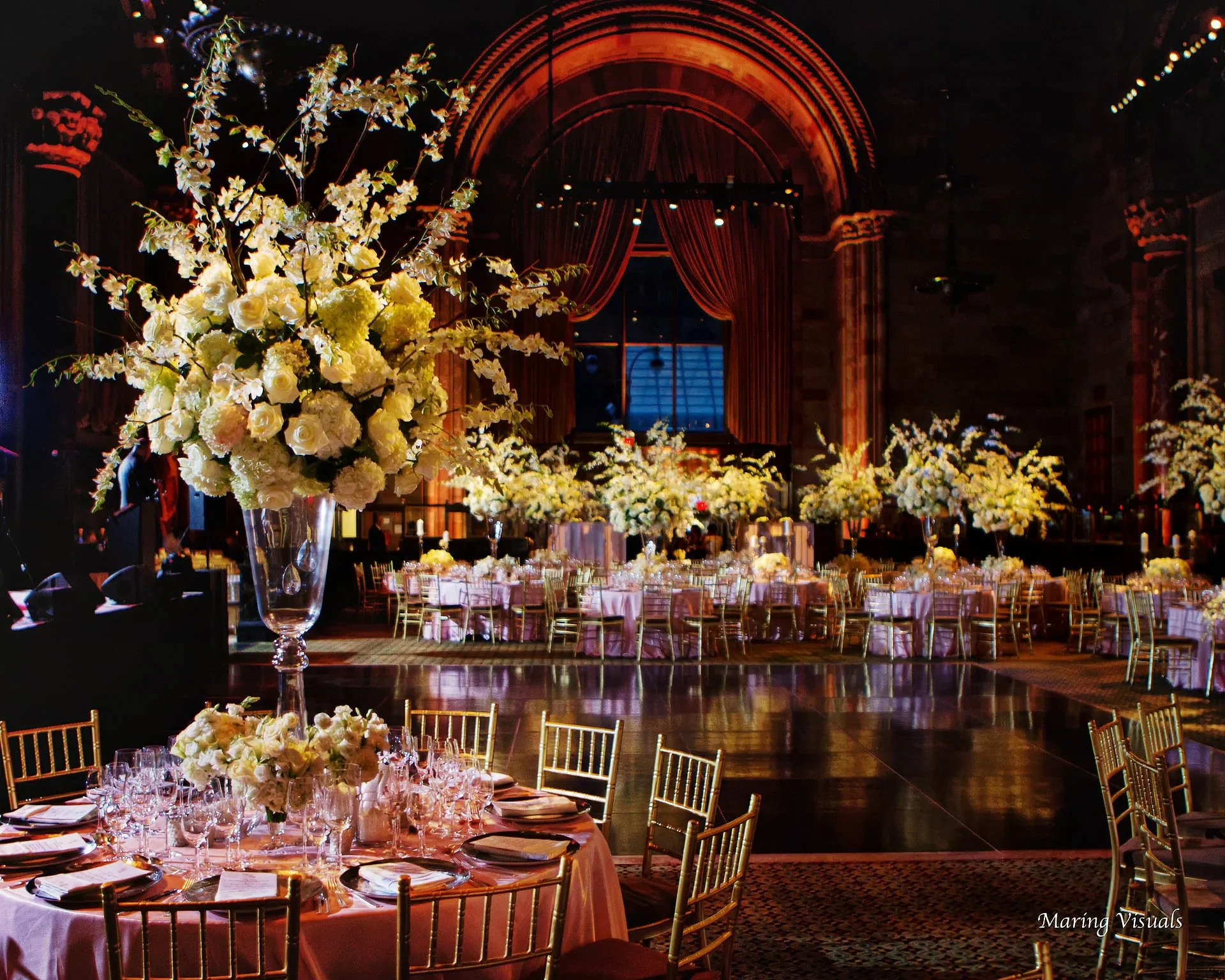
At Cipriani 42nd Street, architecture, floral design, and lighting come together before the celebration begins.
Architecture as Part of the Story
Great architecture has a remarkable ability to influence the way people experience a celebration. A grand staircase creates anticipation as guests arrive, a soaring ceiling gives a gathering a sense of occasion, and a beautifully proportioned ballroom can make even a very large event feel connected and intimate. I've photographed celebrations at The Plaza Hotel, The Pierre, Cipriani, the Rainbow Room, and other remarkable New York venues, as well as historic estates and grand hotels across the country. Each space presents a different visual opportunity, and I have never believed that the same photographic approach should be applied to every location. Some rooms are extraordinary because of their scale and symmetry, while others reveal their character through intricate details, dramatic lighting, or the relationship between the architecture and the surrounding landscape.
I also find it important to establish a sense of place beyond the ballroom itself. An exterior photograph of a grand estate, a beautifully illuminated entrance, or a quiet architectural detail can provide context that becomes increasingly meaningful when the images are viewed together. At Oheka Castle on Long Island, for example, the monumental architecture and formal grounds create a completely different atmosphere from the energy of a Manhattan ballroom. Both can be extraordinary, but they tell different stories. When photographing a celebration, I am always considering how these broader views will relate to the more intimate images that follow, creating a visual narrative that moves naturally between the environment and the people experiencing it.
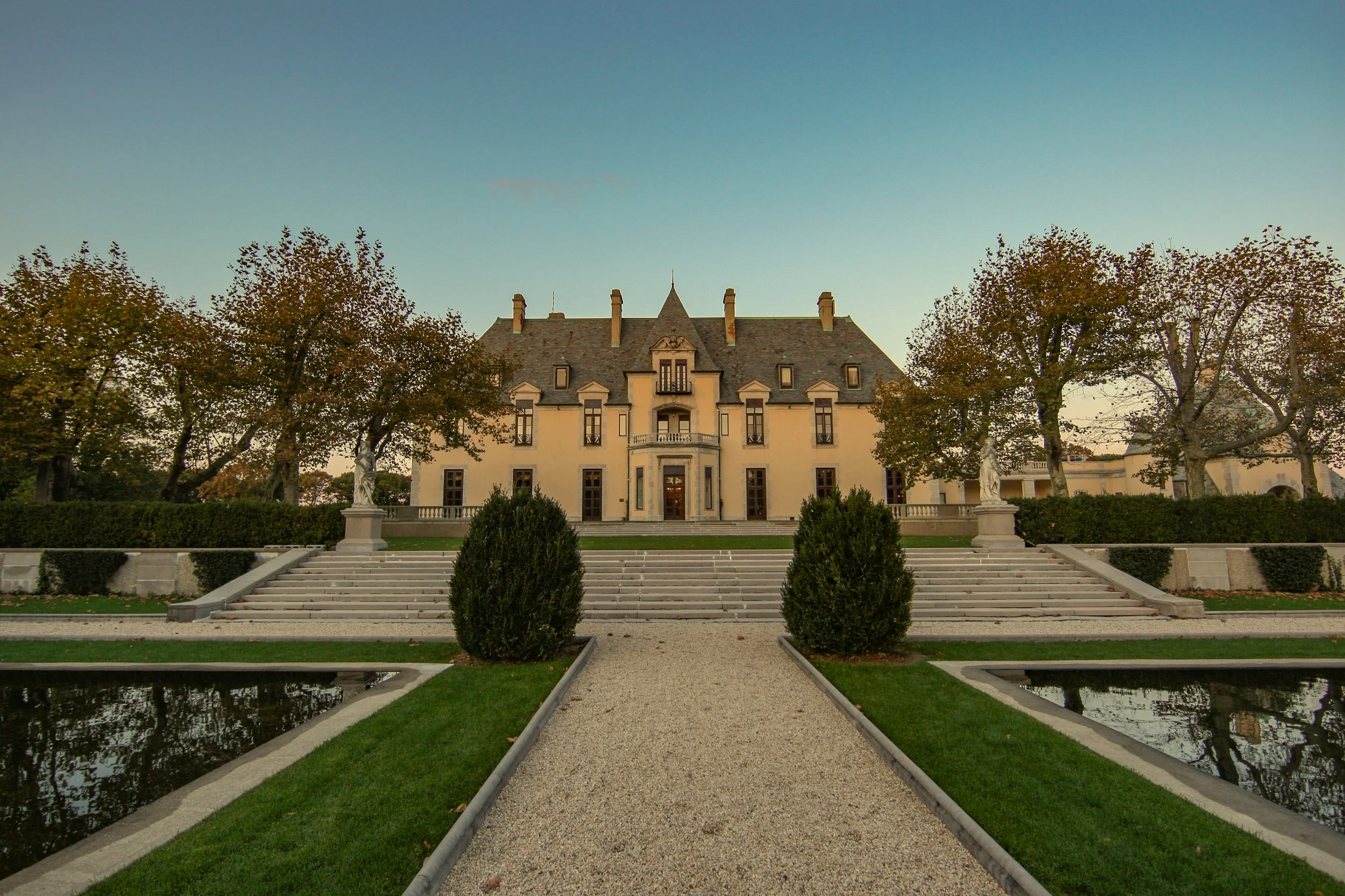
The monumental architecture and formal grounds of Oheka Castle establish a sense of place that becomes part of the wedding story.
When the Room Comes Alive
There is a wonderful transformation that takes place once the guests arrive. A ballroom that was perfectly arranged an hour earlier becomes something entirely different as conversations fill the space, music begins, and people embrace, laugh, dance, and celebrate. The room stops being a carefully composed setting and becomes a living experience. For me, this is where photography becomes especially meaningful, because the approach changes from deliberate architectural composition to observation and anticipation. A beautifully decorated room can be photographed with patience and precision, but a spontaneous expression or unexpected interaction may exist for only a fraction of a second. Recognizing those moments requires experience, instinct, and a genuine interest in the people who are part of the celebration.
Some of my favorite photographs are those in which the grandeur of the surroundings and the intimacy of a human moment exist together. A couple sharing a smile beneath an elaborate chandelier, a family member reacting during a toast, or two people laughing together while cutting their wedding cake can bring an enormous room down to a wonderfully personal scale. The architecture provides context, but the human interaction gives the photograph its emotional center. I am always looking for that balance because I believe the most compelling photographs reveal both where something happened and what it meant to the people who were there.
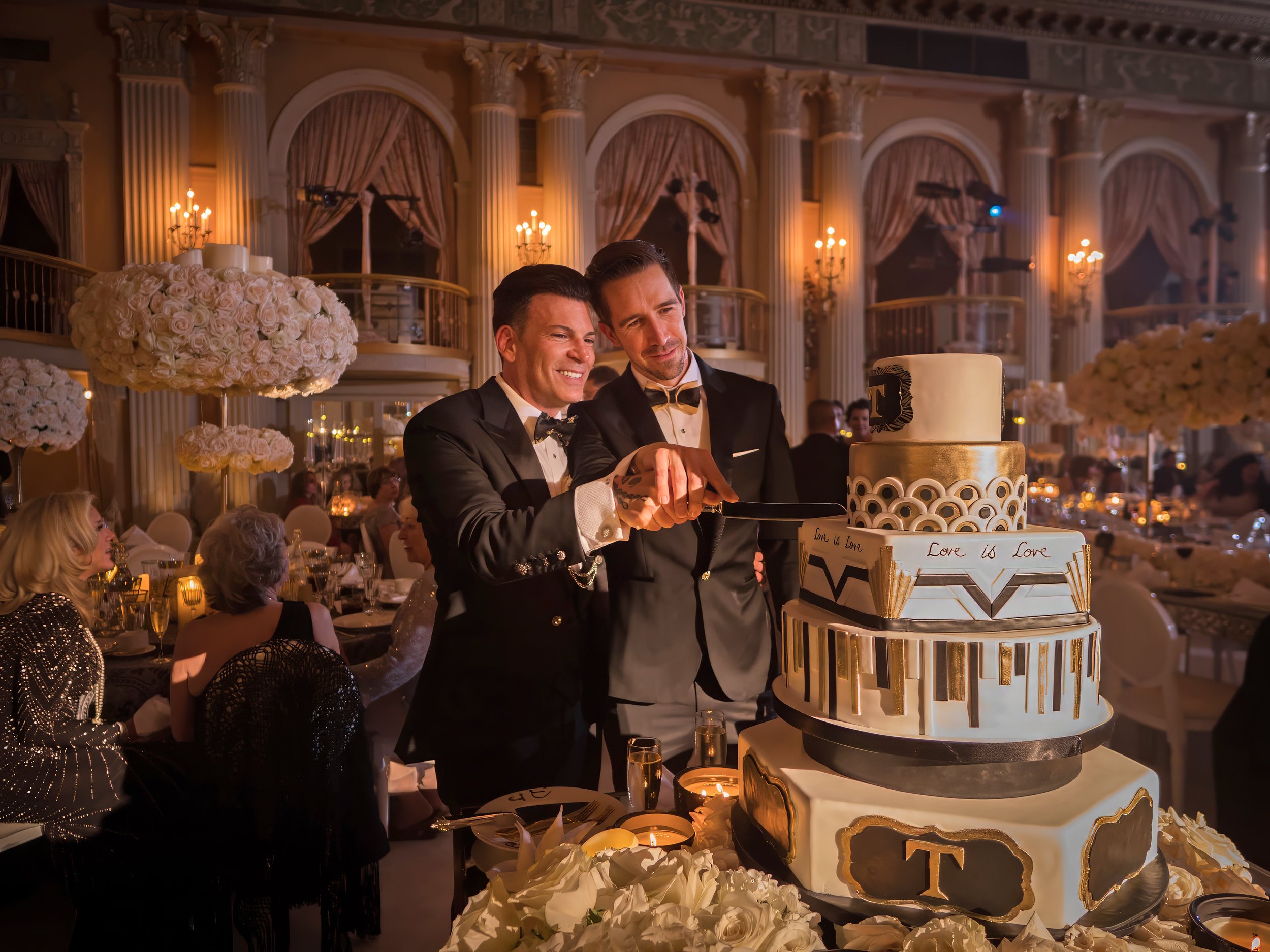
A joyful cake-cutting moment at the Millennium Biltmore Los Angeles reveals the human connection at the heart of an elaborate celebration.
The energy of a celebration can also produce extraordinary moments that no photographer could ever fully direct. At Mar-a-Lago in Palm Beach, I have photographed exuberant wedding celebrations where guests filled the dance floor and the entire room seemed to move together. During a traditional hora, the excitement, expressions, and movement create a constantly changing composition. There is very little time to think through every possibility. You have to anticipate the action, understand the light, recognize the relationships between people, and respond as the moment unfolds. These photographs are often imperfect in the most wonderful way because they contain the spontaneity and emotion that make the experience real.
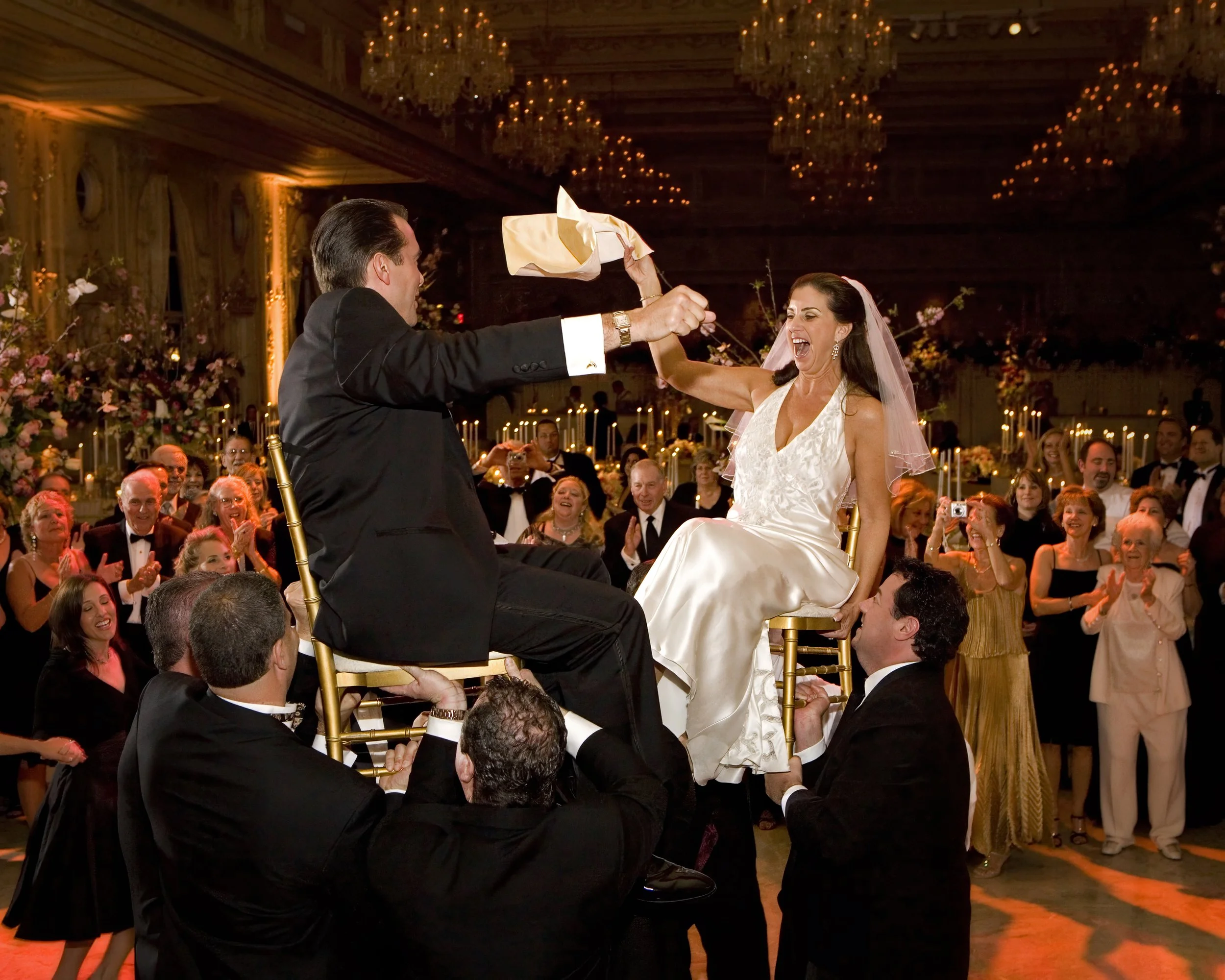
The spontaneous energy of a wedding hora at Mar-a-Lago creates moments that exist for only an instant.
The Beauty of Light
Ballrooms present fascinating photographic challenges because their lighting can change dramatically throughout an event. Before guests arrive, a room might be illuminated by chandeliers, candles, and carefully balanced architectural lighting. Later, theatrical lighting may transform the space with deep colors, moving patterns, and areas of dramatic shadow. I have always been interested in preserving the atmosphere created by that light rather than overwhelming it. Sometimes the most beautiful photograph comes from working with the existing illumination and allowing the room to retain its natural character. At other times, introducing light with precision can reveal a face, separate a subject from the background, or give an important moment the clarity it deserves without losing the feeling of the environment.
These decisions are not simply technical. They are part of the creative process, and they can dramatically influence the emotional character of a photograph. I think about how light guides the viewer's attention, how shadows create depth, and how a subtle change in perspective can transform an ordinary composition into something more expressive. In a magnificent ballroom, there is always a temptation to show everything, but sometimes the most compelling image is the one that allows much of the room to fall into darkness while a small, meaningful gesture becomes the center of attention. Knowing when to reveal the grandeur and when to let it recede is one of the aspects of photography I continue to find most rewarding.
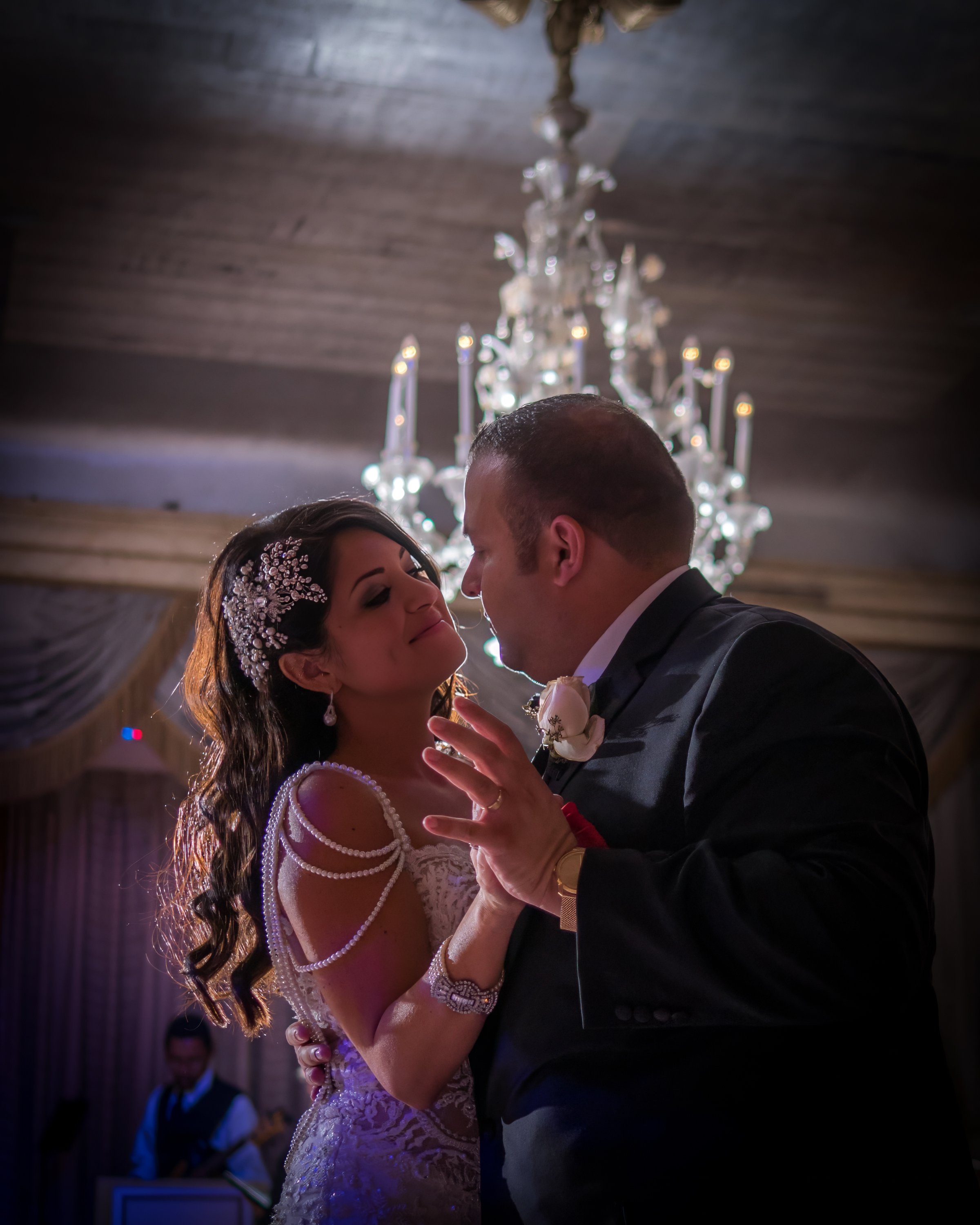
Light and shadow create an intimate atmosphere during a first dance at The Pierre Hotel in New York City.
A Grand Room, an Intimate Moment
One of the most interesting contradictions in photographing large celebrations is that the most memorable moments are often remarkably small. A ballroom may hold hundreds of people, an orchestra may be playing, and an elaborate production may be unfolding, yet the photograph that stays with me could be a quiet glance between two people or a fleeting expression that almost goes unnoticed. I have always believed that scale and intimacy belong together in a complete photographic story. The wide photographs reveal the extraordinary environment and the work that went into creating it, while the closer images remind us why everyone gathered in the first place. Neither is more important than the other, and together they create a much richer understanding of the experience.
Sometimes a change in perspective allows those two ideas to come together in a single image. Looking down upon a dance floor, for example, can transform a familiar scene into a composition of architecture, light, movement, and human connection. The people may occupy only a small part of the frame, but their presence gives the entire photograph its meaning. I am particularly drawn to images that allow the viewer to discover details gradually, moving from the overall composition toward the gestures and relationships within it. They invite us to spend a little more time looking, and I believe that is one of the qualities that can make a photograph endure.
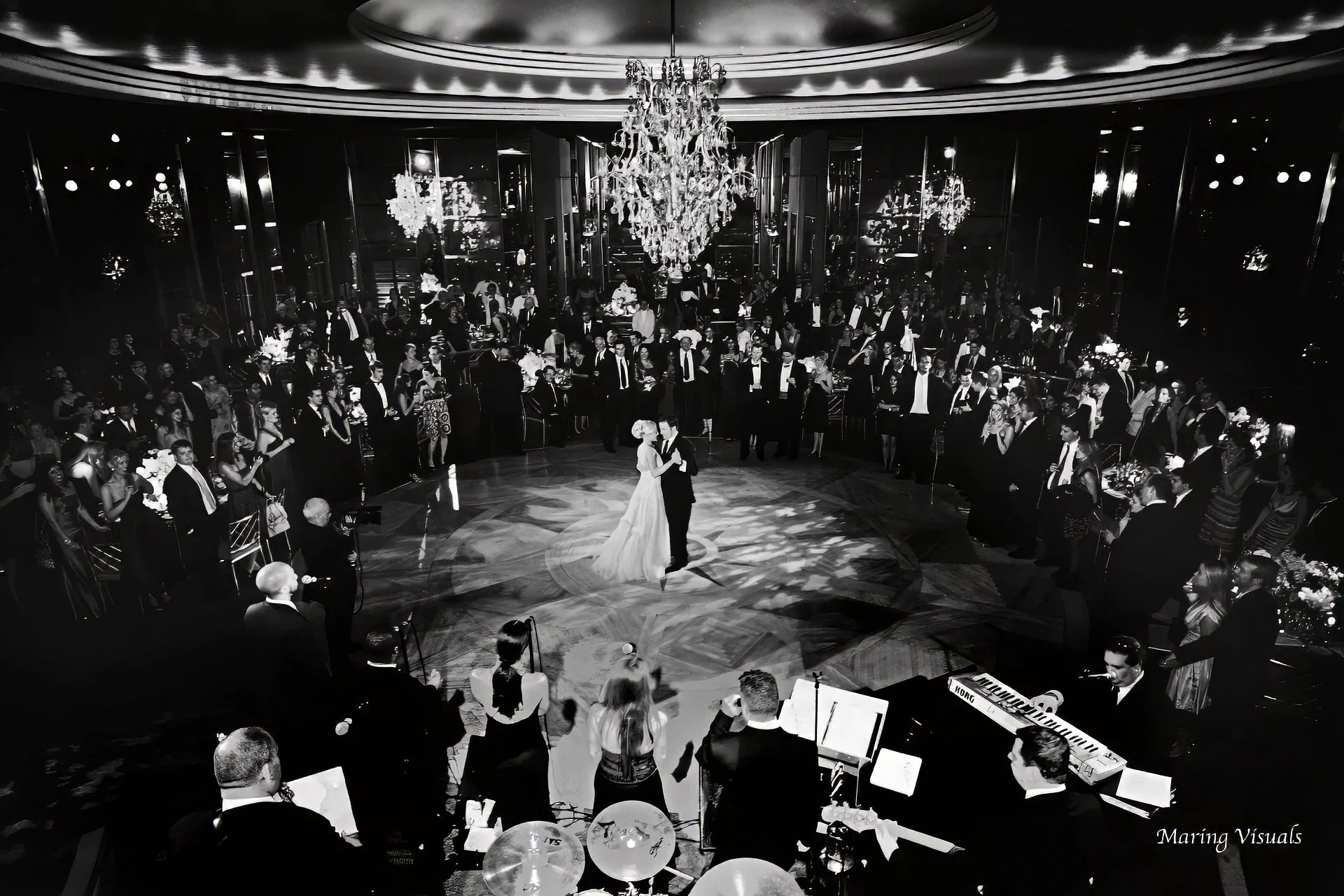
A first dance at New York's Rainbow Room brings intimacy and architectural grandeur together in a single photograph.
The Art of Remembering
When I look back through photographs from these celebrations, I am reminded that no two events are ever truly alike. Even when I return to a ballroom I have photographed before, the personalities, families, traditions, music, and unexpected moments create an entirely different experience. That is one of the reasons I have never approached wedding photography as simply a collection of required images. I want the photographs to have rhythm and continuity, moving between grandeur and intimacy, anticipation and celebration, carefully designed beauty and the wonderfully unpredictable things that happen when people come together. A photograph of a spectacular room might establish the setting, but the expressions and interactions that follow are what transform that setting into a personal story.
I also believe that the way photographs are selected and presented matters enormously. A complete photographic narrative is not necessarily the largest possible collection of images. It is a thoughtful sequence in which each photograph contributes something meaningful to the experience of remembering. Some images establish context, others reveal character, and a few become the emotional anchors of the entire story. I enjoy that process of looking closely, recognizing relationships between photographs, and creating a collection that feels intentional rather than simply comprehensive. It is another opportunity to bring an artist's perspective to the work long after the celebration itself has ended.
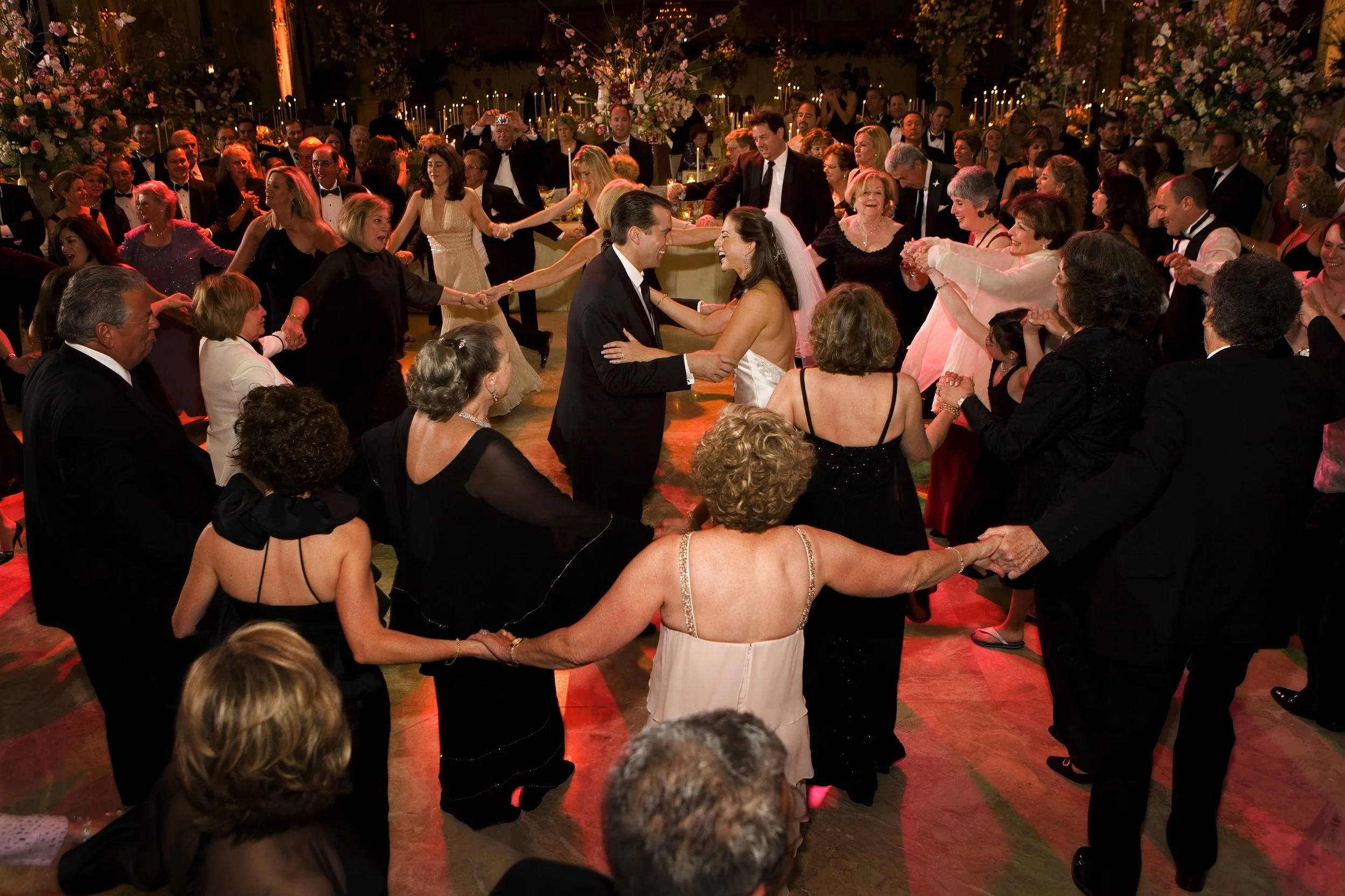
The photographs that endure often preserve the relationships and shared emotions that made a celebration meaningful.
What Remains
I have been fortunate to work in extraordinary places throughout my career, and I continue to appreciate the craftsmanship, imagination, and history found within America's great ballrooms. But I don't believe a beautiful room, by itself, makes a beautiful photograph. It takes an understanding of light, composition, timing, and human connection, along with the experience to recognize when to step back and reveal the entire scene and when to move closer because something meaningful is happening. I have always been interested in the relationship between those two ways of seeing, and I suspect that curiosity is part of what has kept photography so compelling to me after all these years.
Eventually, the flowers are taken down, the tables are cleared, the music stops, and even the most elaborate celebration becomes a memory. The architecture remains, waiting for another gathering and another story, but the particular combination of people, emotions, and experiences that filled the room will never happen in quite the same way again. That is what gives photography its lasting value. A photograph of a magnificent ballroom may remind us where we celebrated, but a photograph of the people within it can remind us why the occasion mattered. The architecture gives us a stage. The people give us the story. Somewhere between the two, a photograph becomes something worth keeping.
Charles Maring is a photographer, filmmaker, and artist whose commissioned work includes weddings, portraits, and celebrations throughout the United States and internationally. Explore The Art of Seeing, his approach to personally commissioned wedding photography, or discover his work documenting Celebrations.