What It Felt Like to Live There
By Charles Maring
One of my favorite shots in the film I made to sell our house is of a deer crossing the lawn. It’s over in a few seconds. If you’d come to see the house that afternoon in Connecticut, you could have stood in the same spot and missed it entirely.
I’d filmed our home and the land around it through all four seasons. I had close-ups of rain on the garden flowers, aerial views of the neighboring fields, and footage of the house after a snowfall. When we put it up for sale, I brought those scenes together in a film called Scenes from Home. I narrated it myself. I wanted someone watching to imagine looking out on those same fields day after day and finding something different to see.
Scenes from Home is the film I made when we put our Connecticut, house up for sale. I narrated it using footage I’d gathered over four seasons to share what it felt like to live there.
I could make that film because I’d lived there. The seasons were already in my footage when it came time to sell. The part of that experience I’d pass along to a real estate agent is something you can do this week. Pay attention to the places you spend time in anyway. When something makes you curious, find out who has a story to tell about it.
Beyond the Property: Creative Direction & Filmmaking
This film is an example of how thoughtful visual storytelling can communicate something beyond the obvious. Through creative direction, cinematography, editing, and an understanding of what makes a place meaningful, I help businesses, brands, and organizations tell stories that connect with people on a deeper level.
What I Found in Savannah’s Music Scene
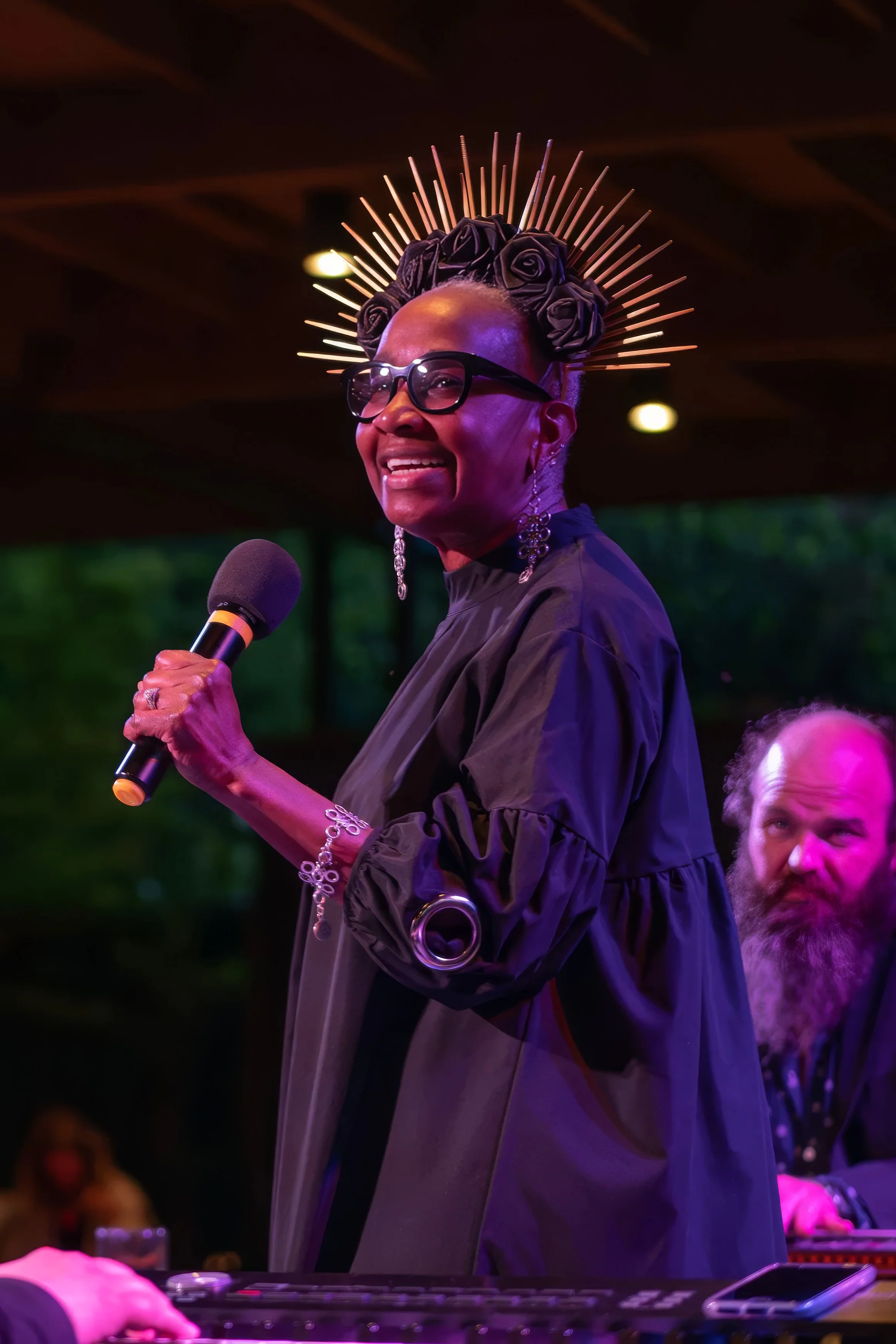
I play music, so live shows are one of the ways I get to know Savannah. For Savannah Proper, an online magazine that I publish, I photographed singer Dolette McDonald performing with her band at a fundraiser for the Savannah Jazz Festival. In one frame she’s smiling, microphone in hand, in a headpiece with black roses and gold rays. That photograph gives you a sense of what it’s like to be in the room with her.
The interview gave me somewhere else to go. Here was someone you could hear sing in Savannah who had also worked with Talking Heads and Sting. The part I wanted to make room for was what she was doing here. She was taking the stage with her own band and mentoring aspiring artists. In the profile, I could show the performance and give readers a chance to hear Dolette talk about her life in music and what she was doing in Savannah in her own words.
There’s a connection to the house film. I could describe a view from a window because I’d stood there often enough to know how it changed. I could tell a story about Savannah’s music scene because I had a reason to spend time around it. For an agent who loves local music, a conversation with someone like Dolette might be the first story. For someone who loves old houses, it might be an afternoon with the carpenter who keeps repairing the original windows on their block.
Read the Savannah Proper profile and watch my conversations with Dolette McDonald.
Start With Someone You’d Like to Know Better
Think about a place you find yourself returning to. Ask someone there a question you’d enjoy hearing the answer to. If it’s the owner of a shop, you might ask what they remember about their first week on that street. Let them finish, then ask about the detail that surprised you. That follow-up is often where you get the part worth telling. With their permission, take a few photographs or record a short clip on your phone. You can share the story in a newsletter or on your website and send the person you featured a copy.
Over time, those stories give people a reason to hear from you between transactions. They also give you a reason to meet people you might otherwise pass on the sidewalk. For an agent wondering where to begin, I’d start with the person you already say hello to and whose story you’ve never thought to ask about.
I explore that approach onstage in Beyond the Listing, my keynote for real estate professionals.