Capturing Timeless Love: A Cinematographer's Journey at The Plaza Hotel
The Plaza in Black and White
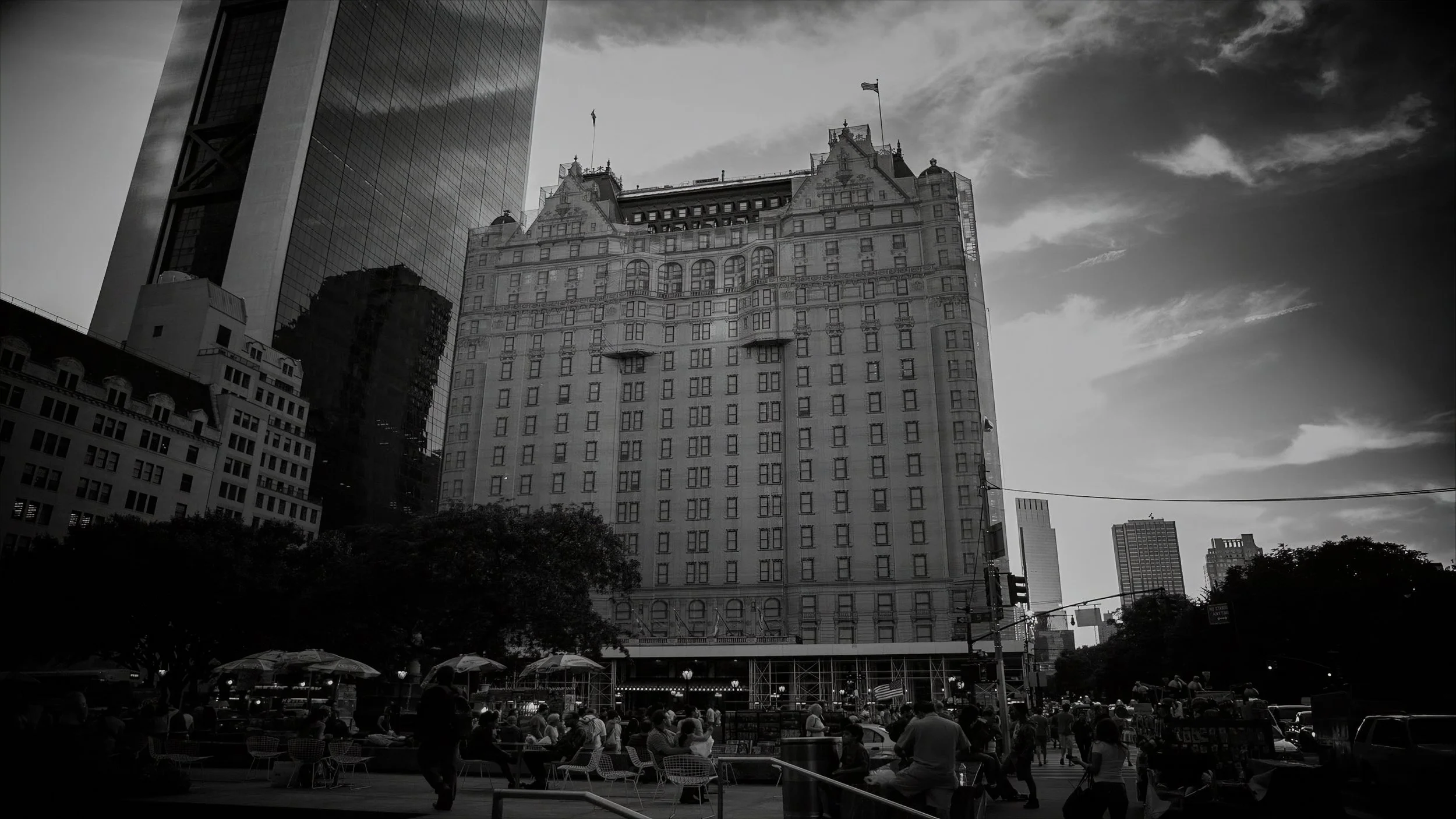
The Plaza Hotel, New York City. Before the wedding story begins, there is a sense of place.
There are places that almost seem to ask to be photographed a certain way. For me, The Plaza Hotel in New York has always been one of them.
When I created this wedding film, I made a decision the couple had not asked for. I took the color away. It was not because the color was not beautiful, but because something happened when it disappeared. Faces became more important. Light became more important. Gesture and movement came forward, and most importantly, the emotion came forward.
The Plaza began to feel timeless. There was something vintage and almost Gatsby like about it, as though this wedding could have happened yesterday or belonged to another era entirely. The couple had not requested a black and white film, but thankfully they fell in love with it.
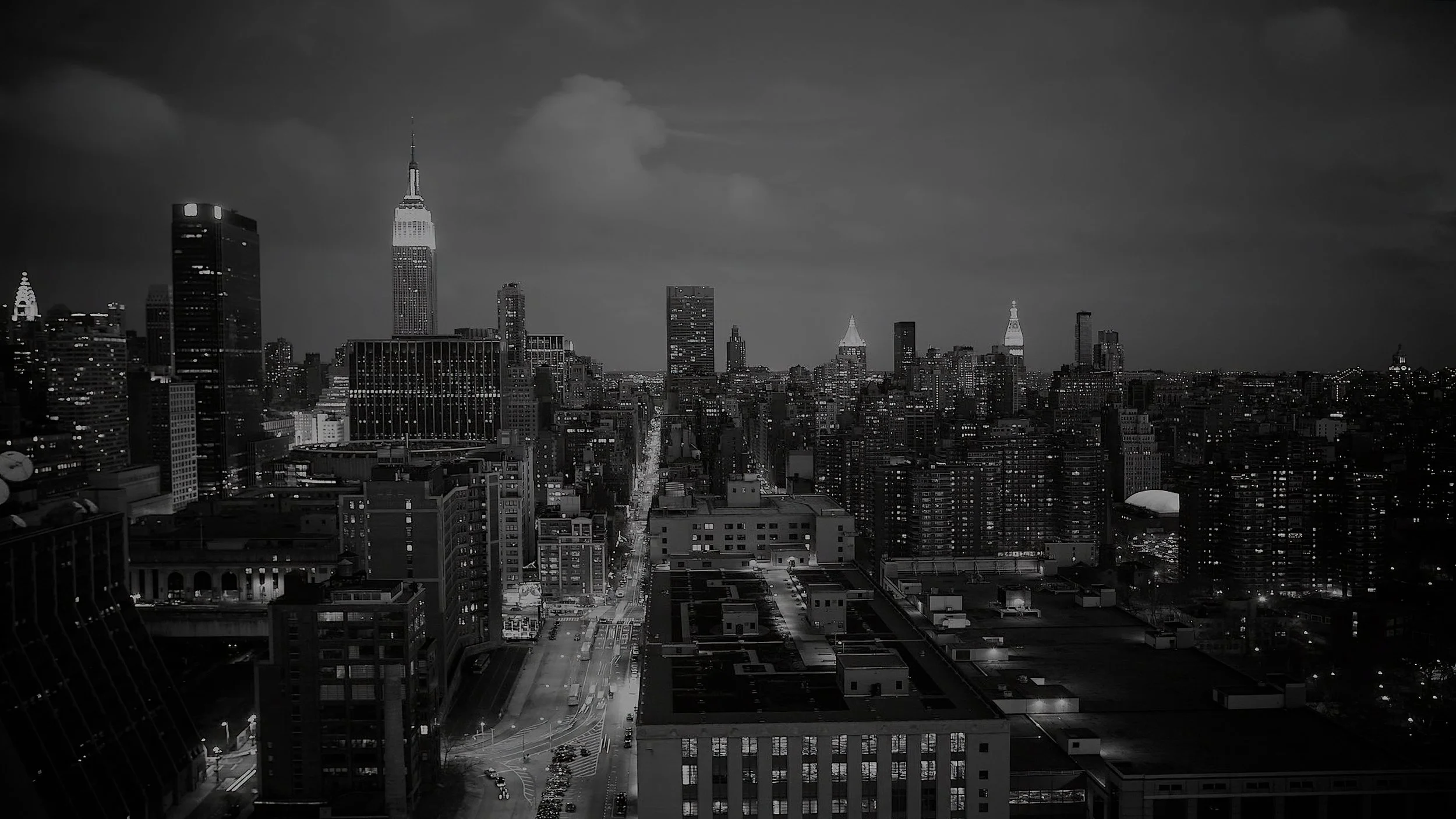
Manhattan after dark. The city became part of the visual language of the film.
Savannah Wedding Videographer films a destination wedding in NYC at the Plaza Hotel with a Vintage Hollywood style.
Taking the Color Away
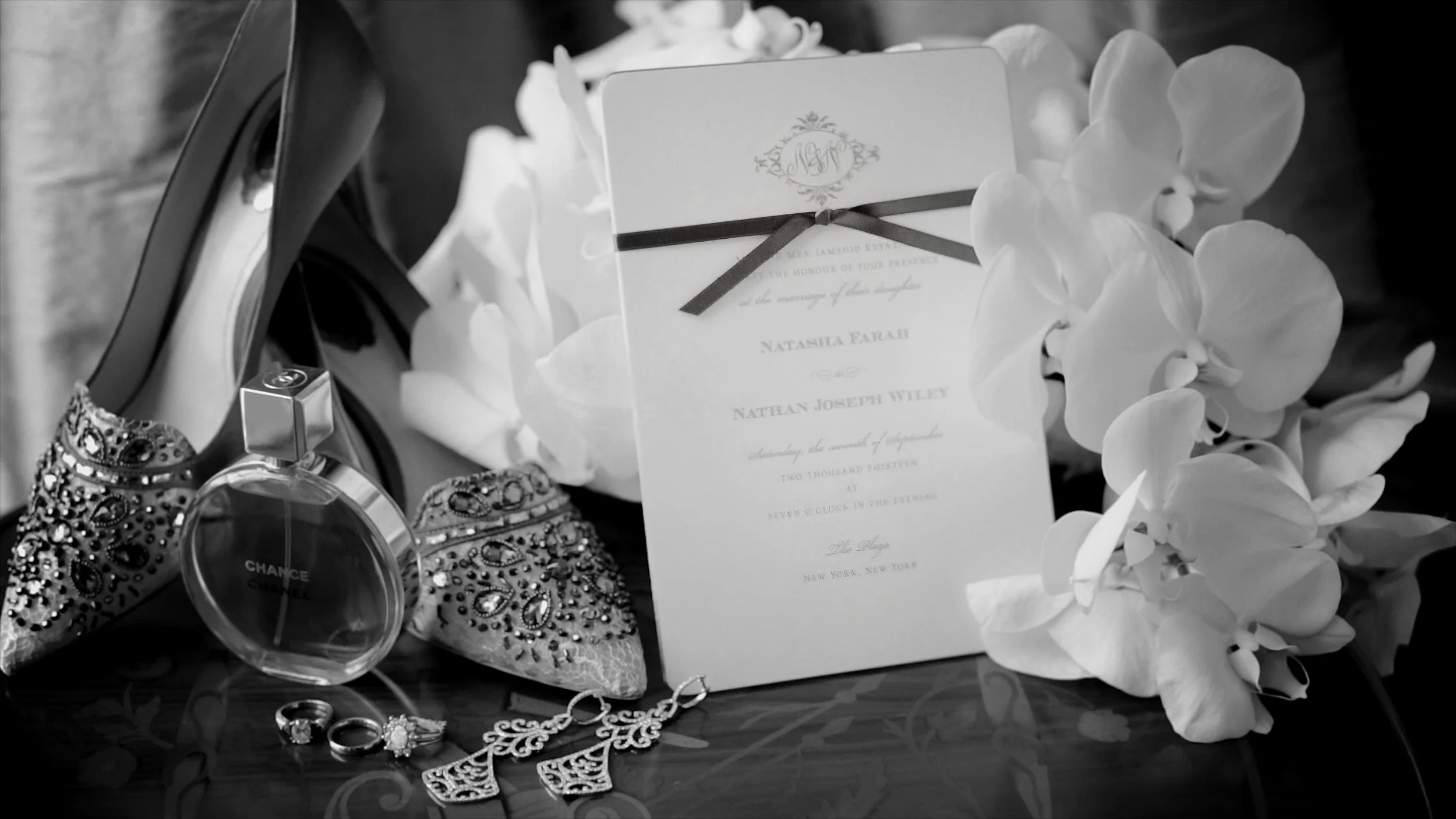
Without color, shape, texture and light begin doing more of the storytelling.
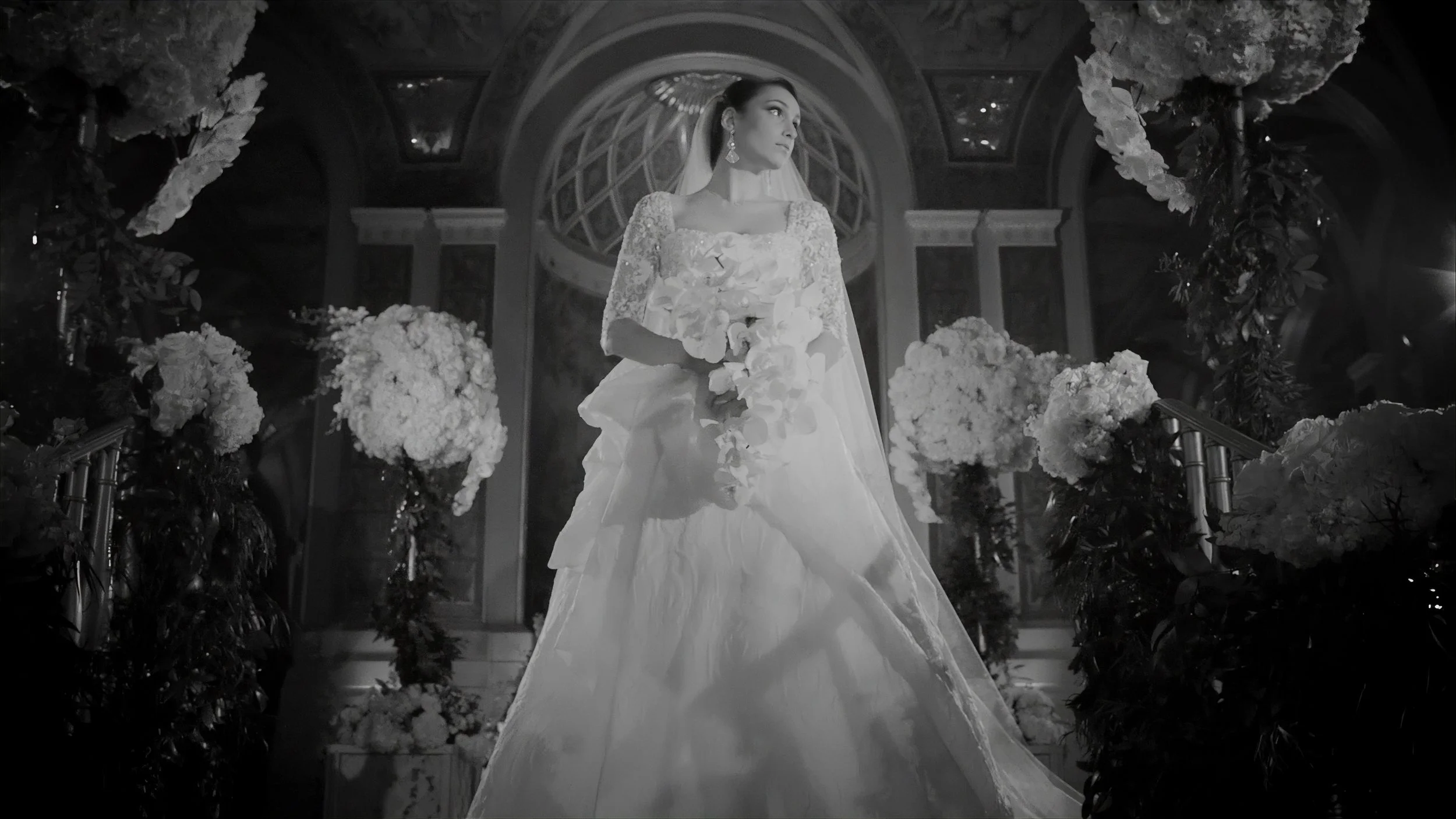
The bride framed by architecture, flowers and shadow inside The Plaza Hotel.
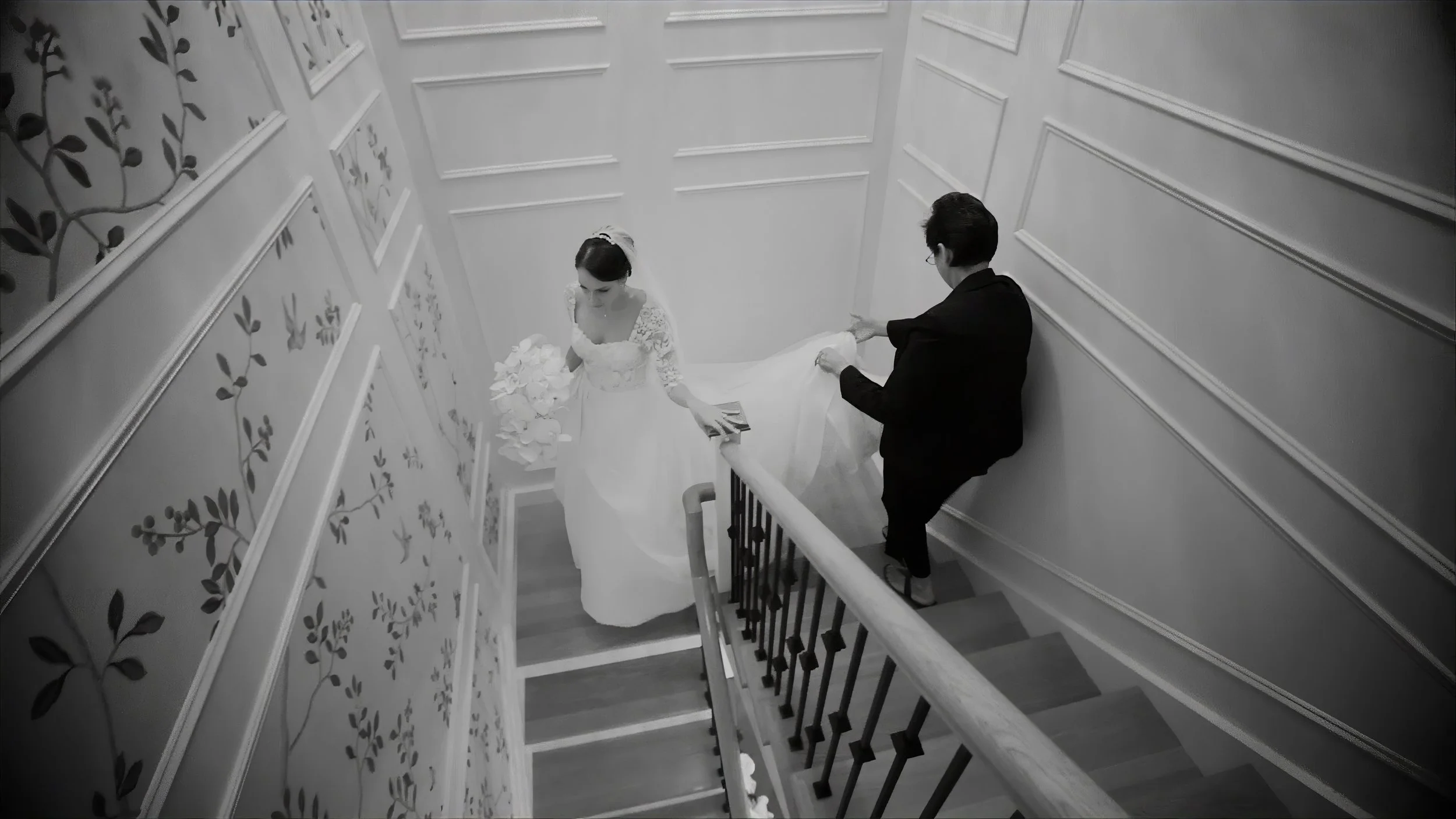
A transition between rooms becomes part of the story.
I have spent years developing my own signature techniques for converting color imagery into black and white. To me, a beautiful monochrome image is not simply a color photograph with the saturation removed. The relationships between tones matter. Skin tones matter. Highlights matter. The depth of the blacks matters. Colors that are easily separated by the eye can suddenly become nearly identical shades of gray.
Black and white has its own language. When it is handled carefully, it can simplify an image until what remains is the thing that mattered in the first place. In this film, that was emotion.
The architecture of The Plaza lends itself beautifully to monochrome. Formal clothing, chandeliers, reflections, hallways, windows and enormous rooms take on a different character without color competing for attention. But I did not want to make a film only about a beautiful hotel. I wanted New York to be part of the story.
A Wedding Is Bigger Than the Room
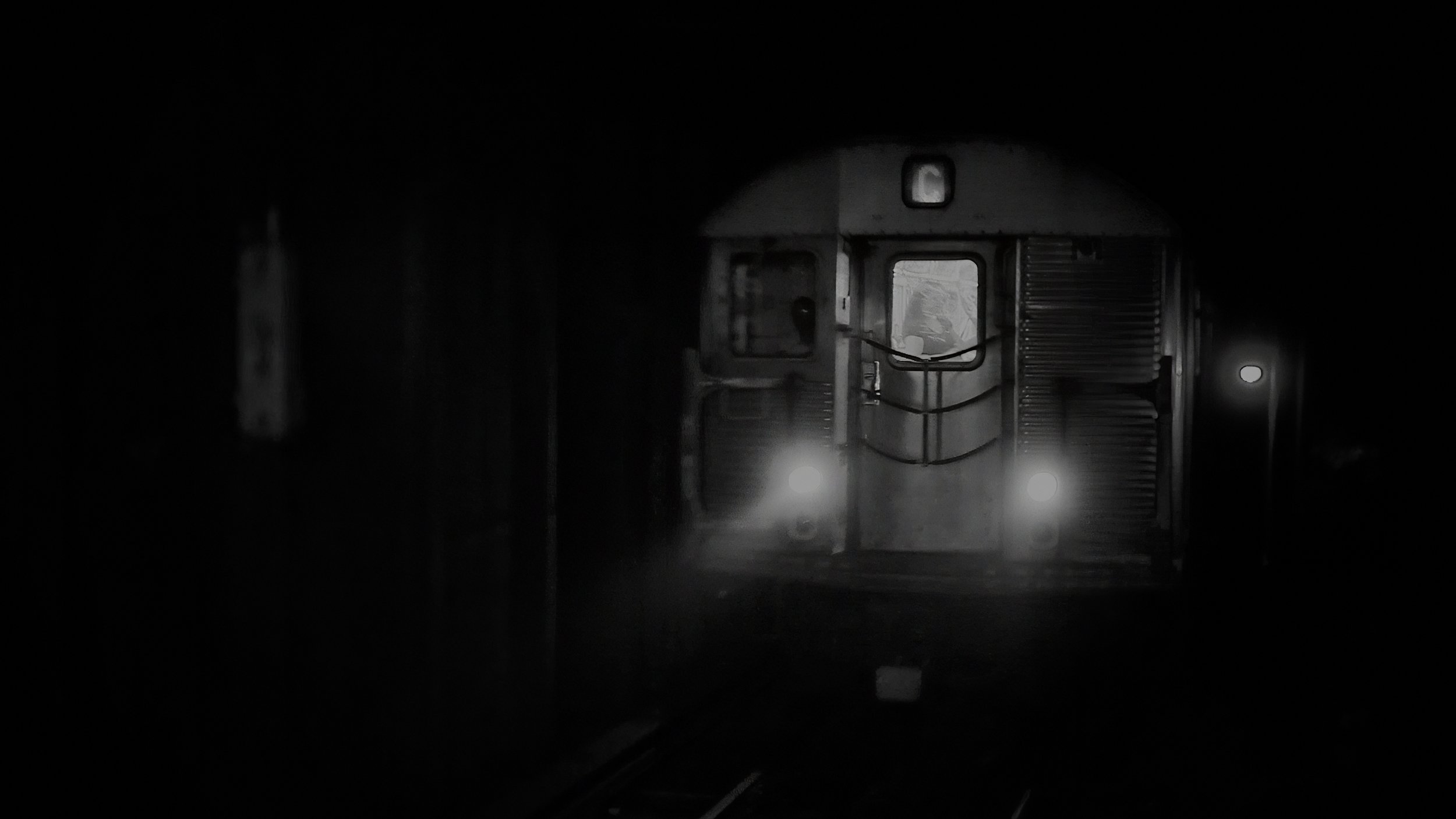
New York was never simply a backdrop. The city itself became part of the story.
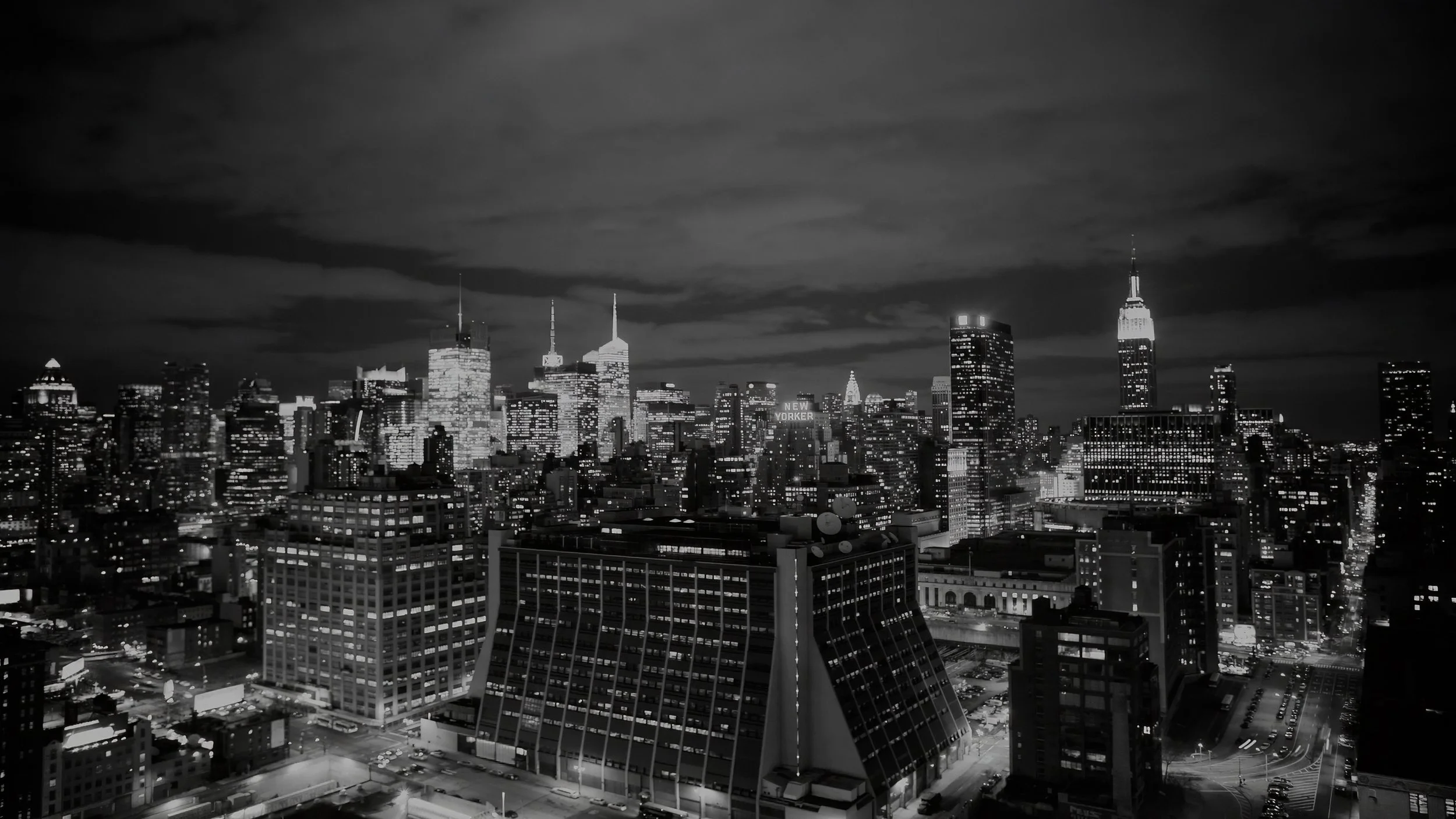
The rhythm of Manhattan became connective tissue between the intimate moments inside.
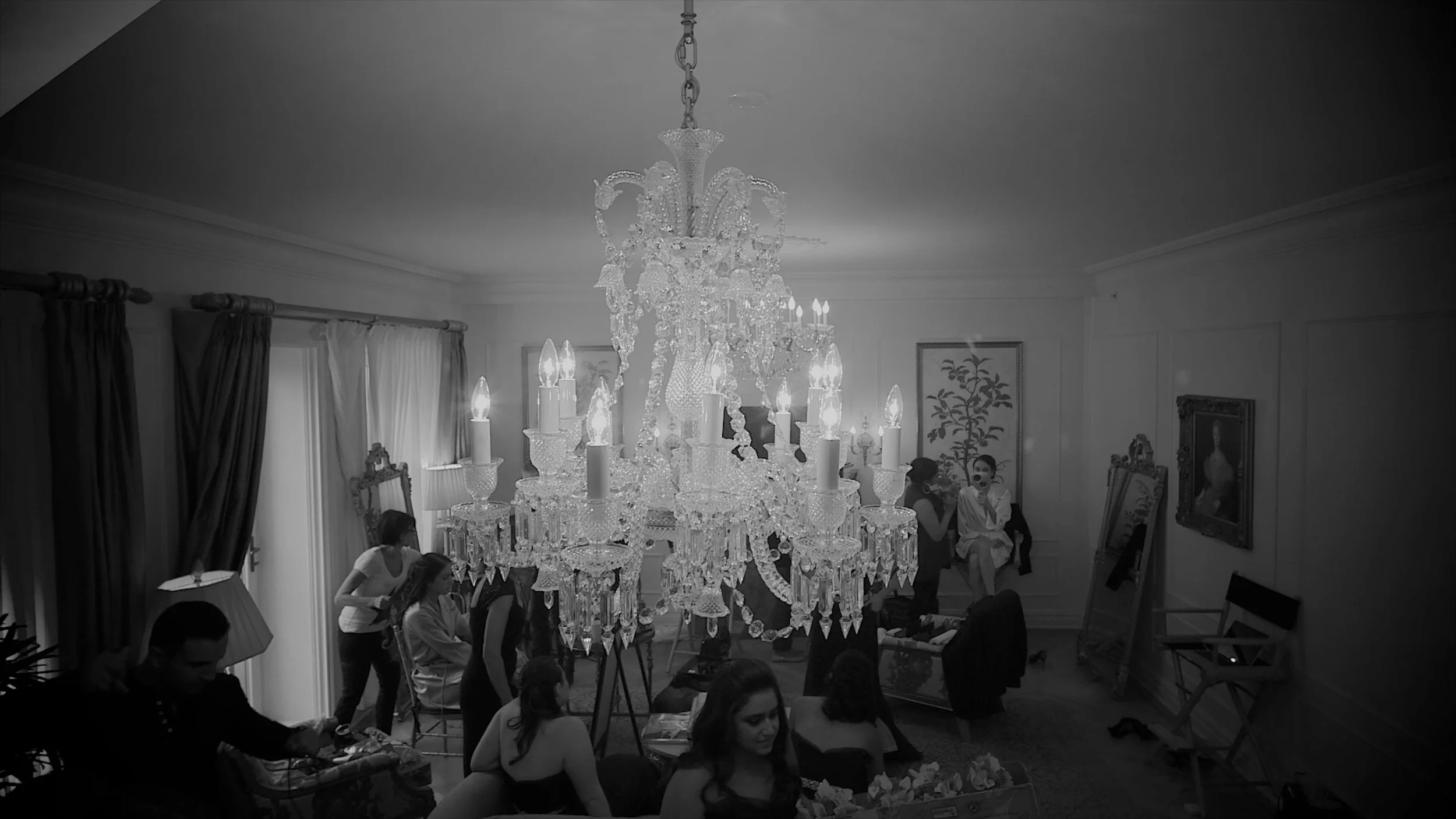
Preparation is rarely quiet. The frame can still find order within it.
When you have worked in a place for years, you do not simply photograph individual assignments. You begin photographing the place itself.
I have spent countless hours capturing New York beyond the weddings and assignments that brought me there. I photograph the motion of the streets, subways arriving and disappearing, people moving through the city, light passing between buildings, parks changing throughout the day, sunrises and sunsets, and timelapses that compress hours into seconds. Over time, all of it becomes part of an archive, and eventually that archive becomes part of the storytelling.
I have had destination wedding clients hire me to arrive as much as a week early specifically to capture these kinds of scene setters. That time gives me an opportunity to observe a place rather than simply document an itinerary. The destination itself is part of the memory. Years later, I do not want someone only to remember what the ballroom looked like. I want them to remember what it felt like to be there.
That is why this film moves beyond The Plaza. Manhattan becomes part of the story. The streets, Central Park, architecture, traffic, subway and movement of the city establish a sense of place before we move deeper into the intimacy of the wedding. New York has a pulse, and this wedding exists within it.
Their Words Became Part of the Story
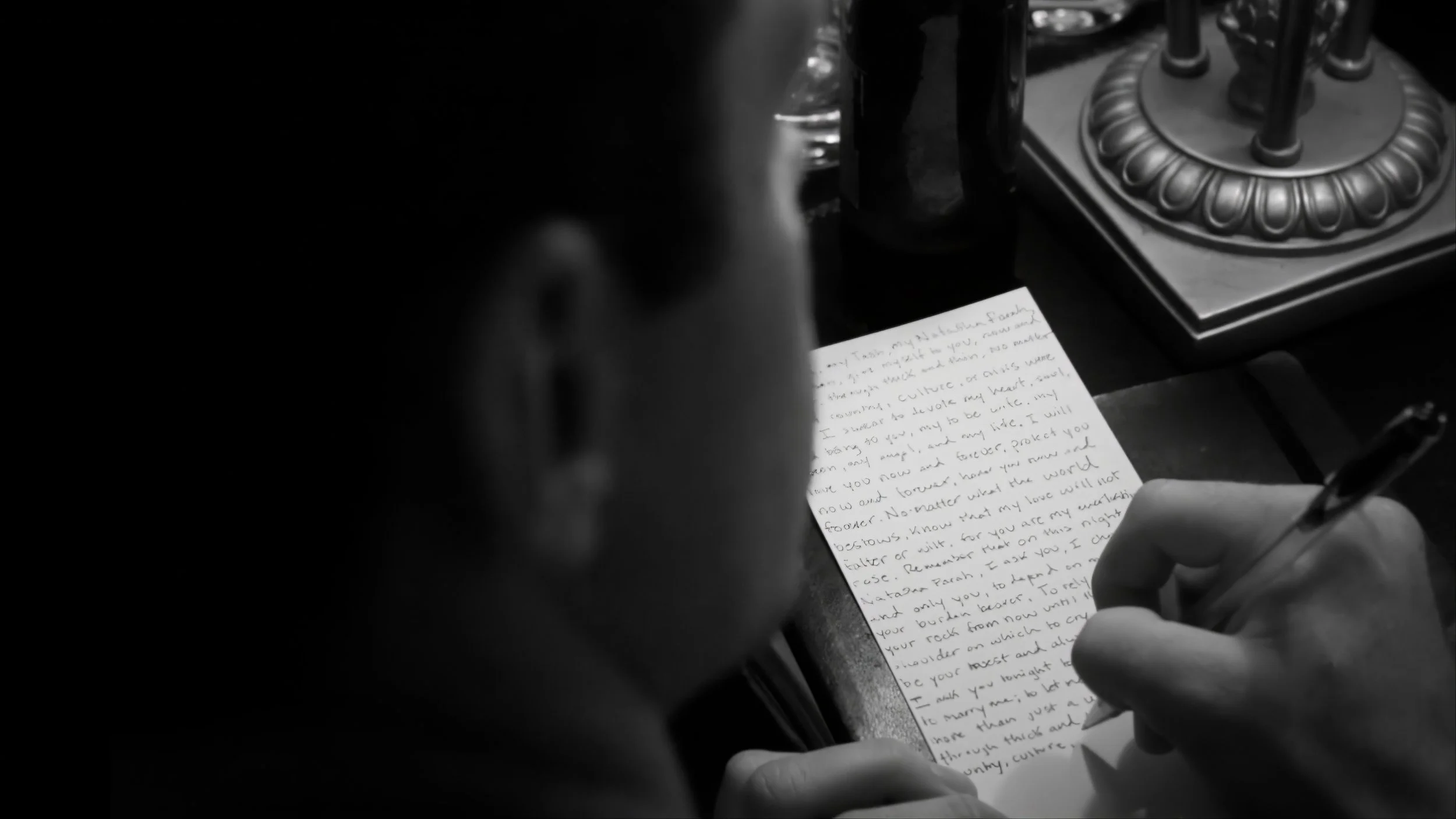
Some of the most important pieces of a wedding story are written before anyone enters the ceremony.
One of the most important elements of this film could not be photographed at all. It was their voices.
They had written their own vows, and I knew those words needed to become more than something we simply heard during the ceremony. They could become part of the narrative itself. That is one of the things I love most about filmmaking. An image can show us what happened, while someone's voice can tell us what it meant.
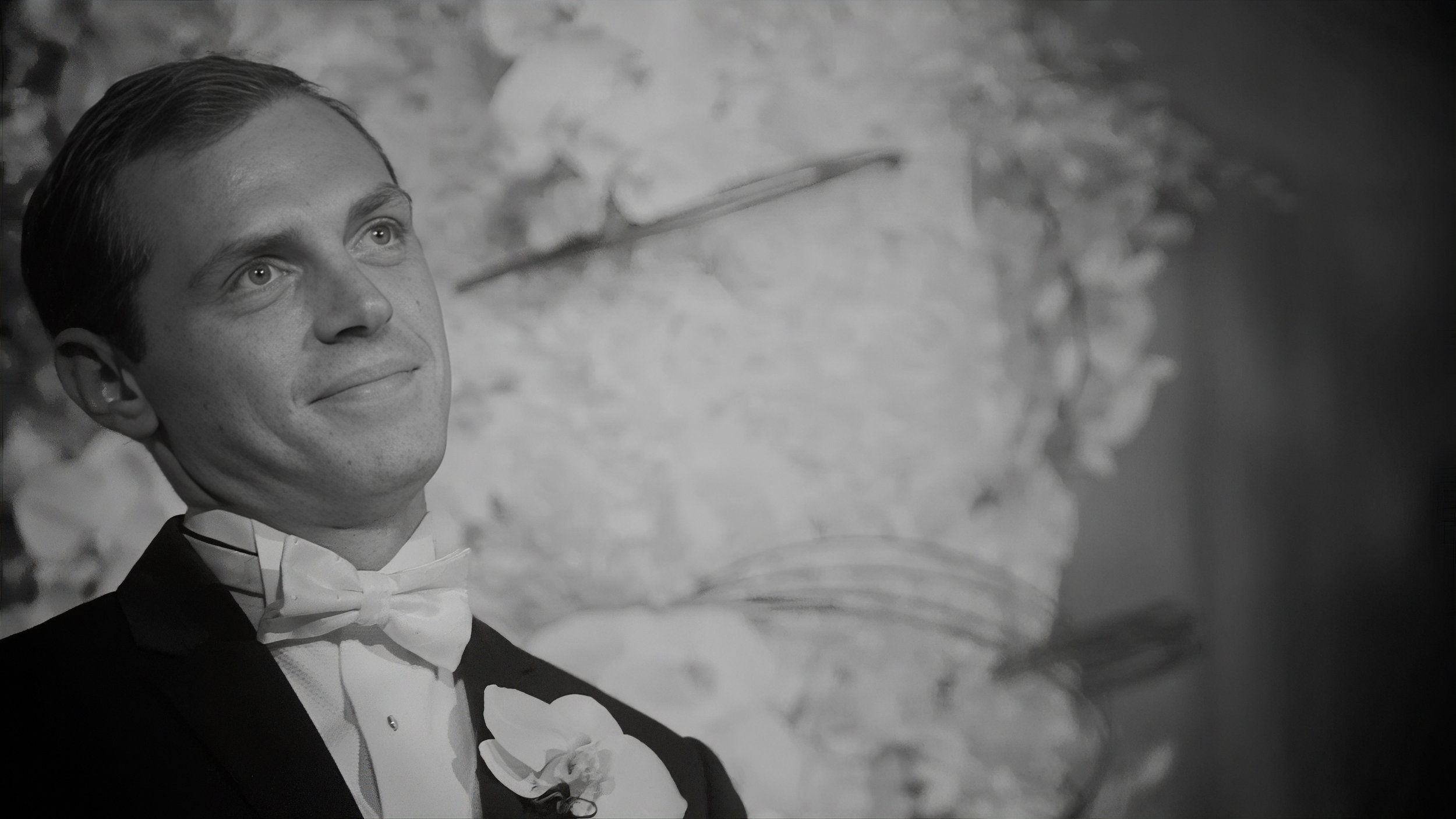
The moment he saw her.
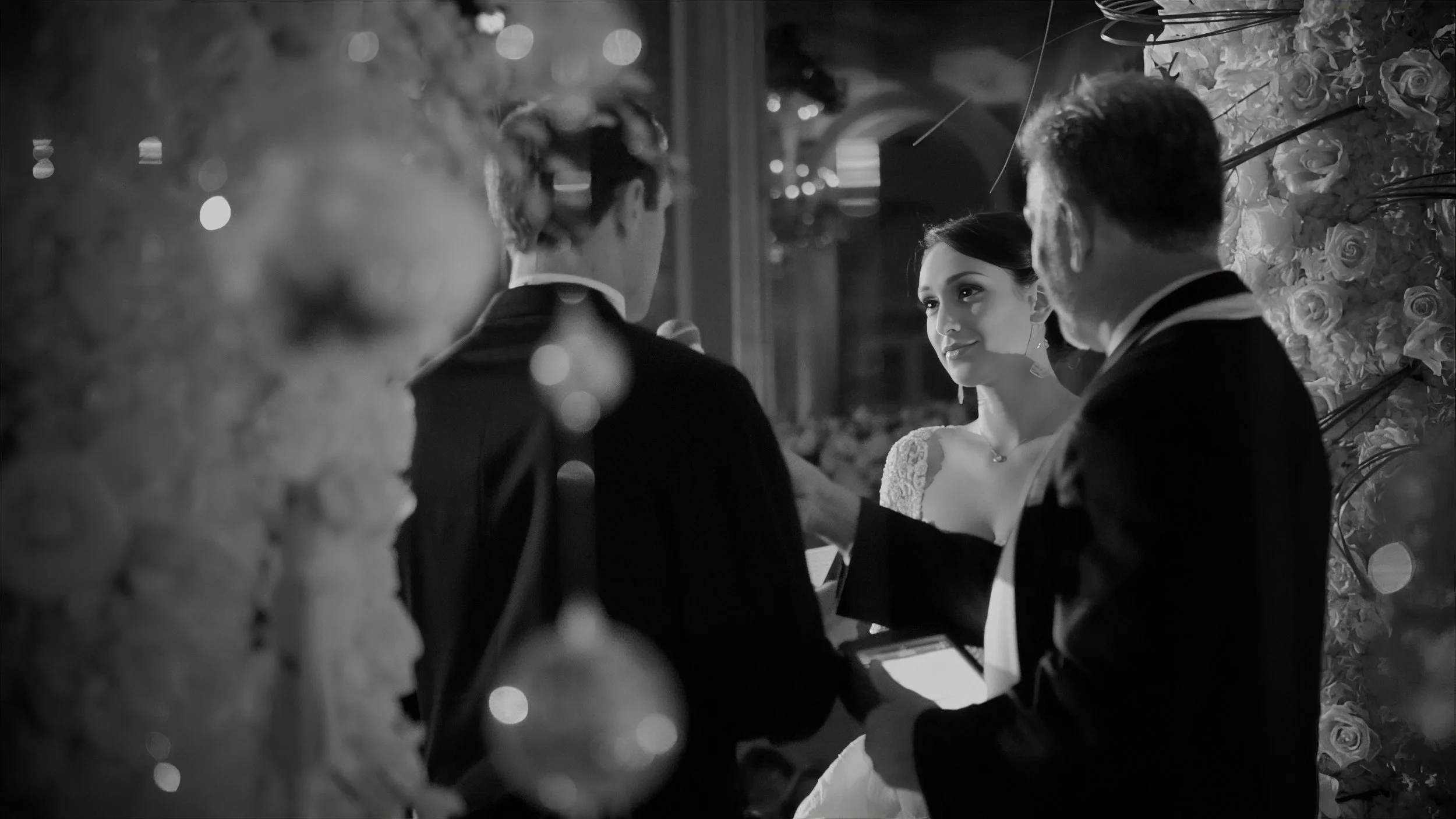
A glance across the ceremony. The story is often happening in expressions rather than events.
The two do not necessarily have to occur at the same moment. A sentence spoken during the ceremony can give new meaning to an image captured hours earlier. A quiet glance can suddenly carry more emotional weight when paired with the right words. Music can build tension, silence can create space, and the movement of the city can establish scale before a small gesture brings the story immediately back to two people.
Their vows belonged to them. My role was to listen to what they had written and find a way to weave those words throughout the film so that they added depth and meaning to what we were seeing. That is where editing becomes more than chronology. It becomes storytelling.
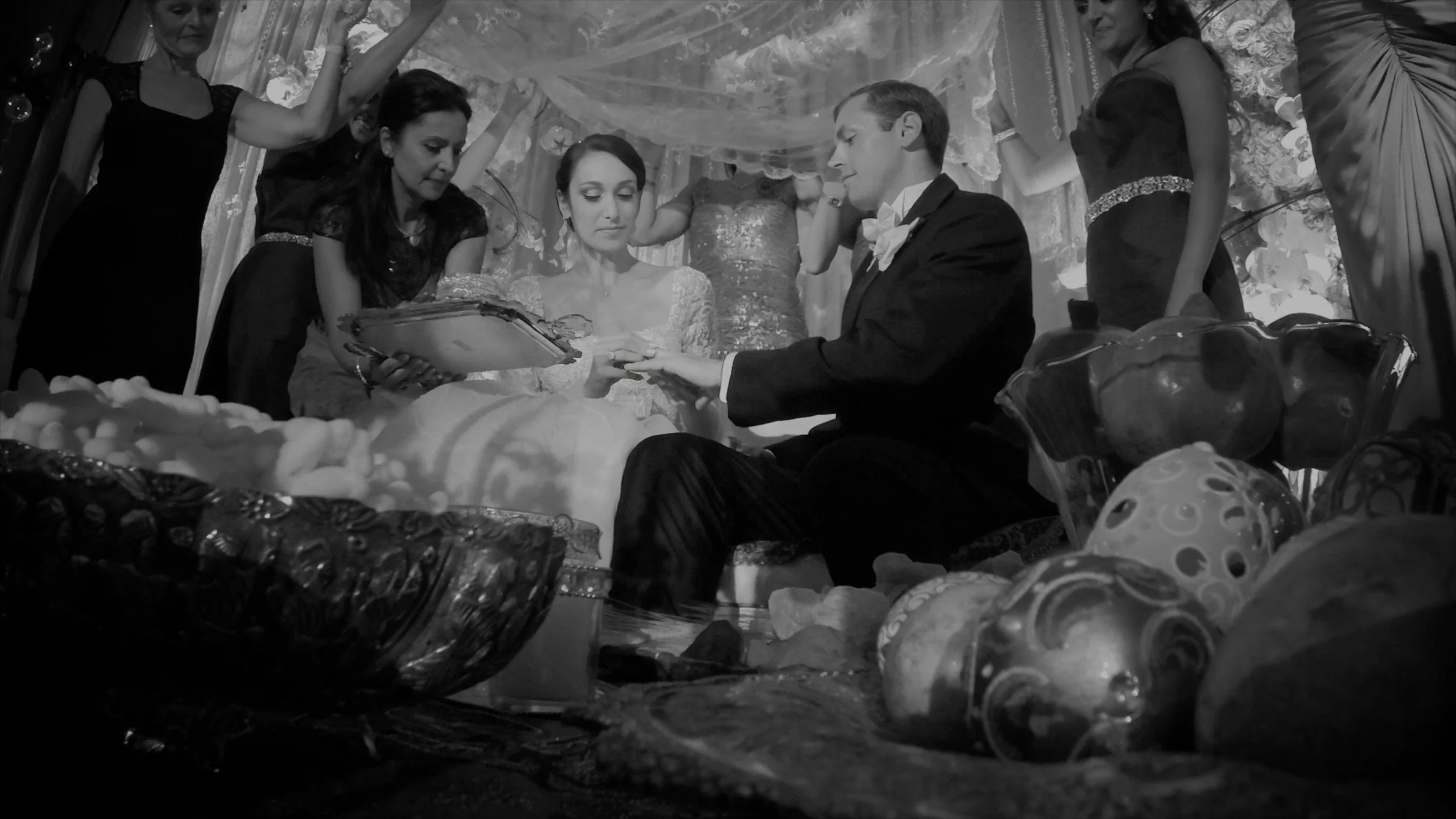
Tradition, surrounded by family.
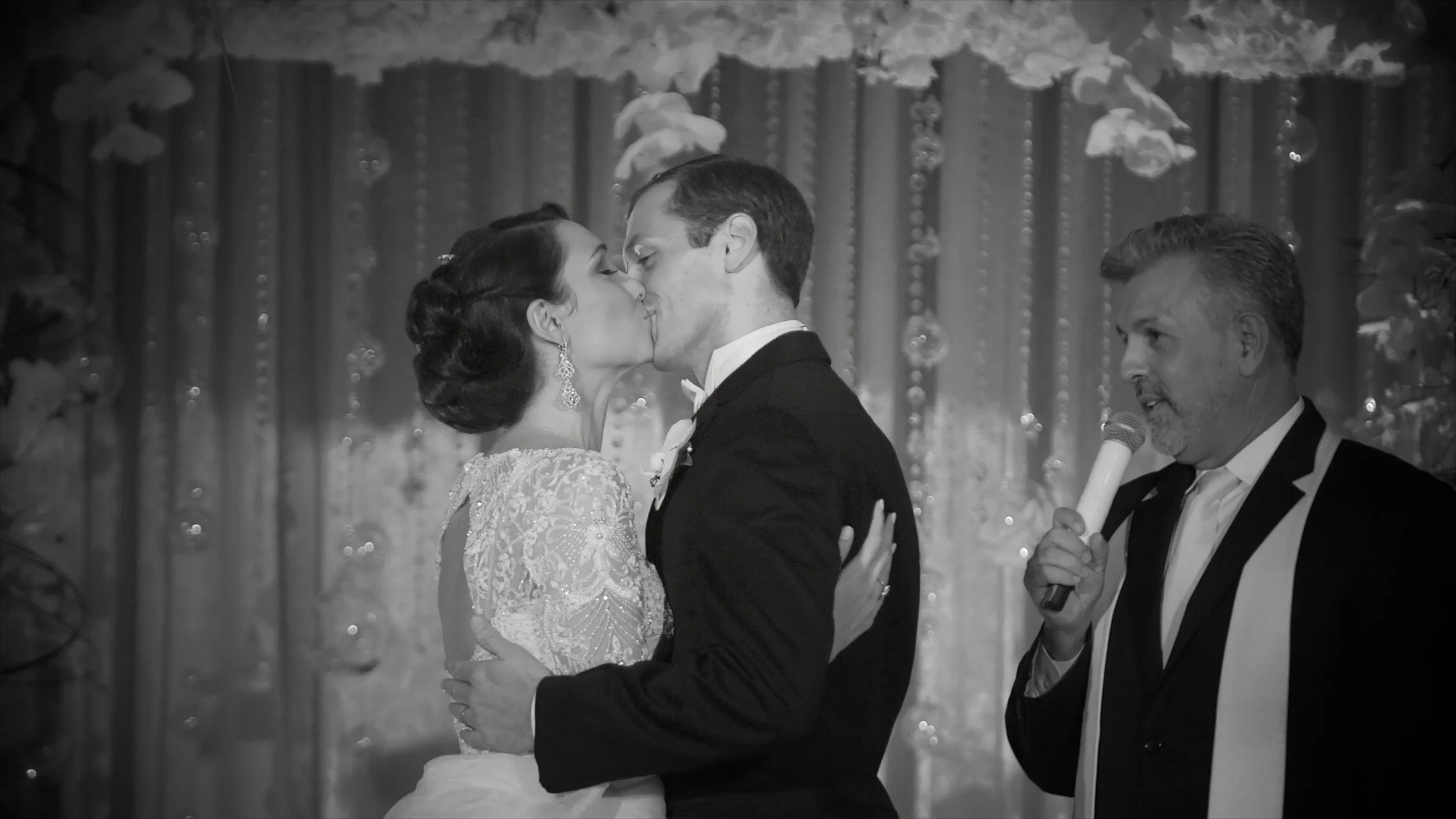
The ceremony becomes a marriage.
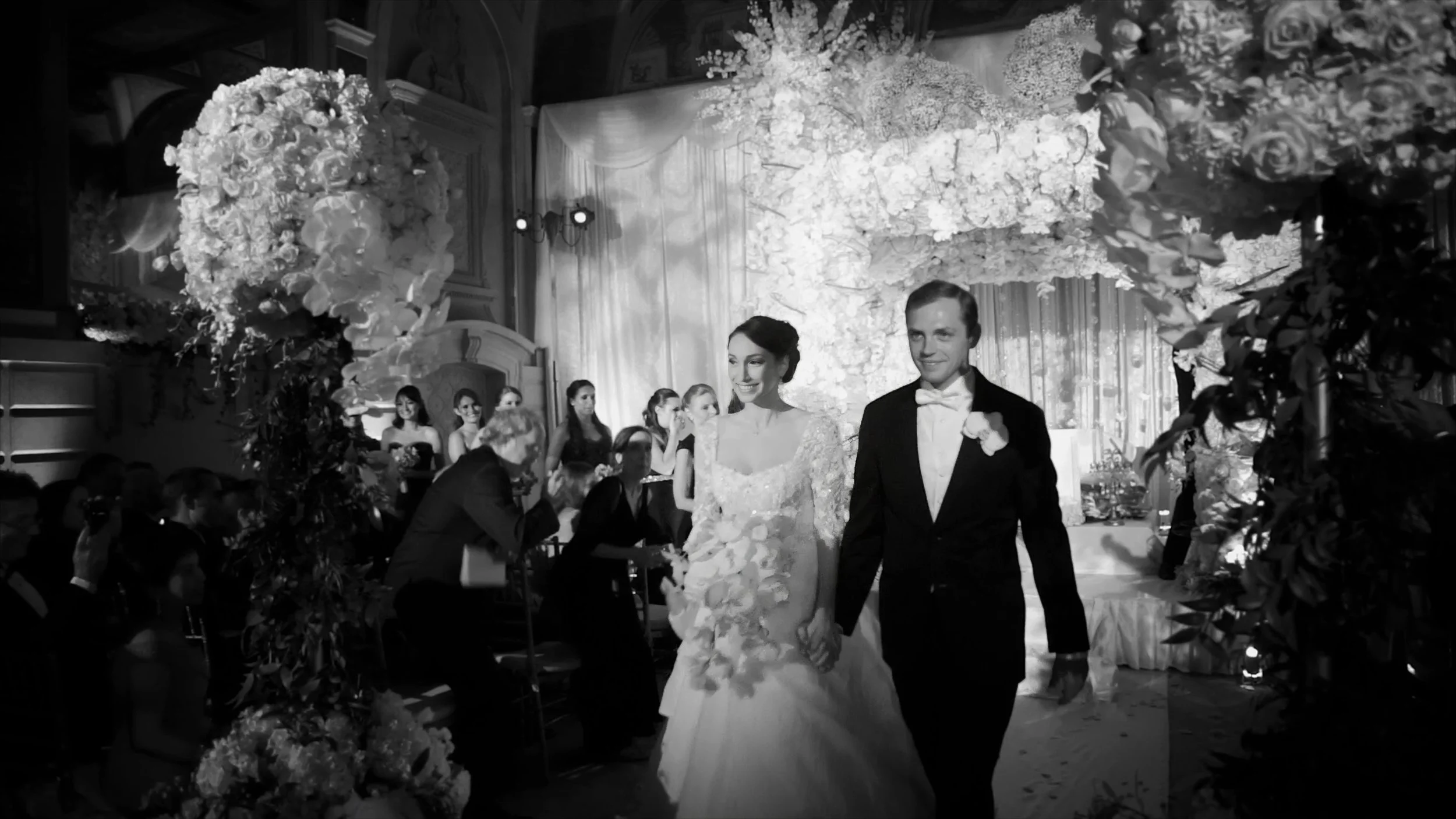
The instant ceremony gives way to celebration.
Photography Inside a Moving Image
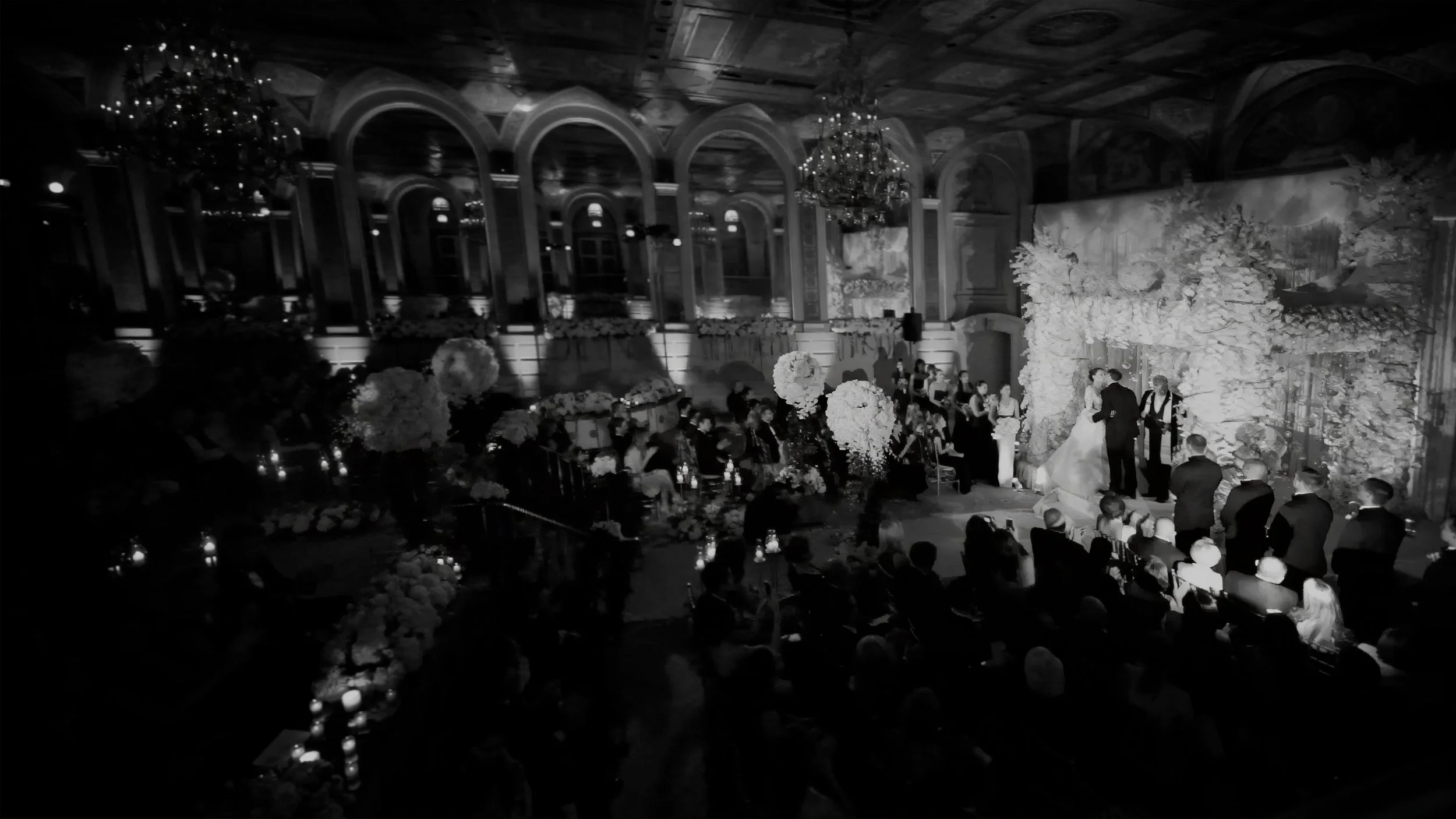
Even while filming movement, I was still looking for complete photographs inside the frame.
One of the things I still love about this film is how many individual frames can stand on their own as photographs. In fact, some of the still images from this film are among my favorite photographs from the story.
Photography and filmmaking have never felt completely separate to me. Whether I am holding a still camera or a motion camera, I am watching light, thinking about composition, anticipating gesture and expression, and paying attention to the relationship between a person and the space around them.
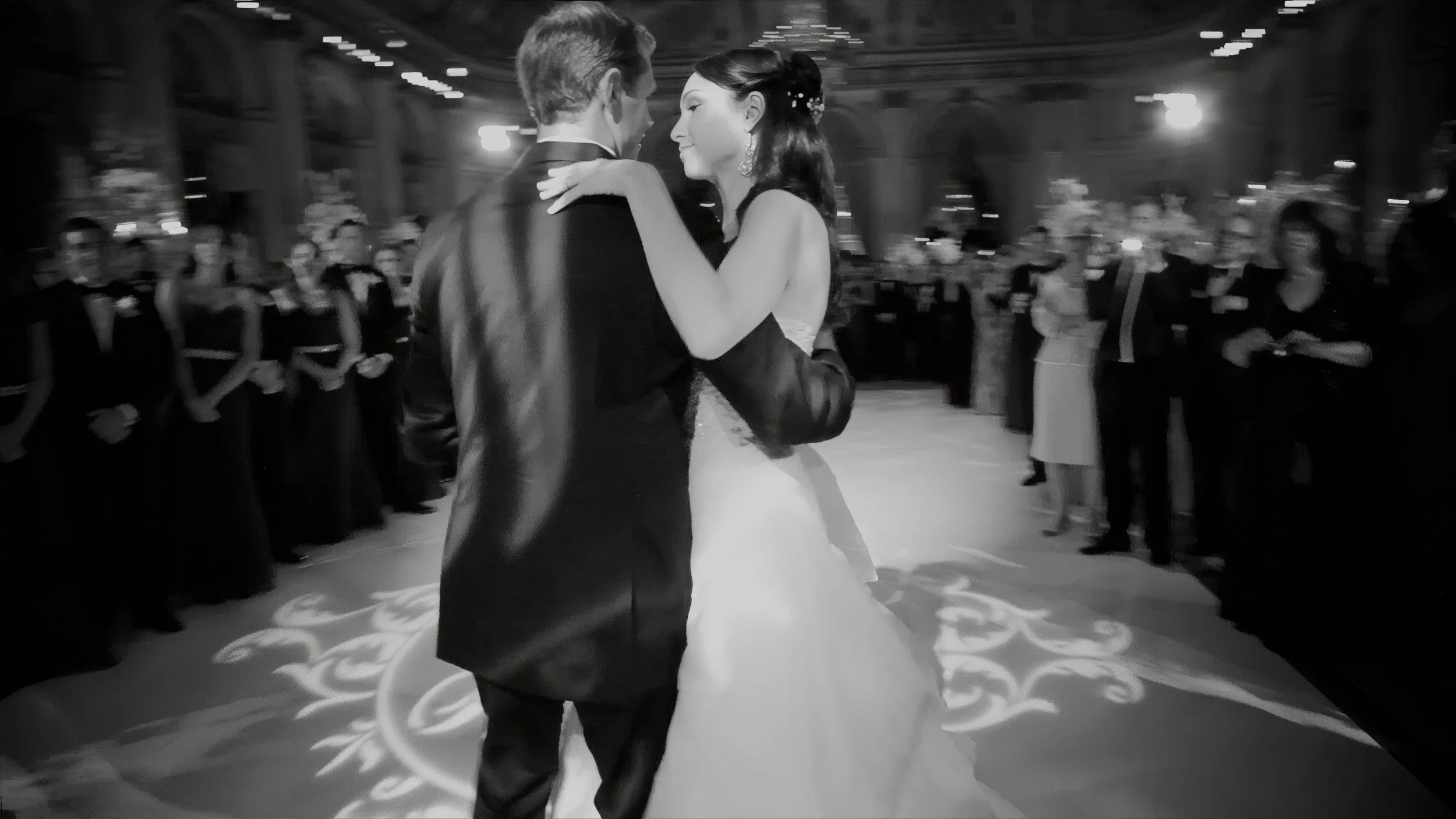
Movement changes the composition from one fraction of a second to the next.
Motion simply gives me additional elements to work with. Time, movement, sound, voice, music and sequence all become part of the palette. Sometimes a moving image becomes a photograph, and sometimes a photograph suggests an entire film.
The tools change, but what I am searching for rarely does. I am looking for light, gesture, atmosphere, emotion and those moments between moments that can be so easy to miss.
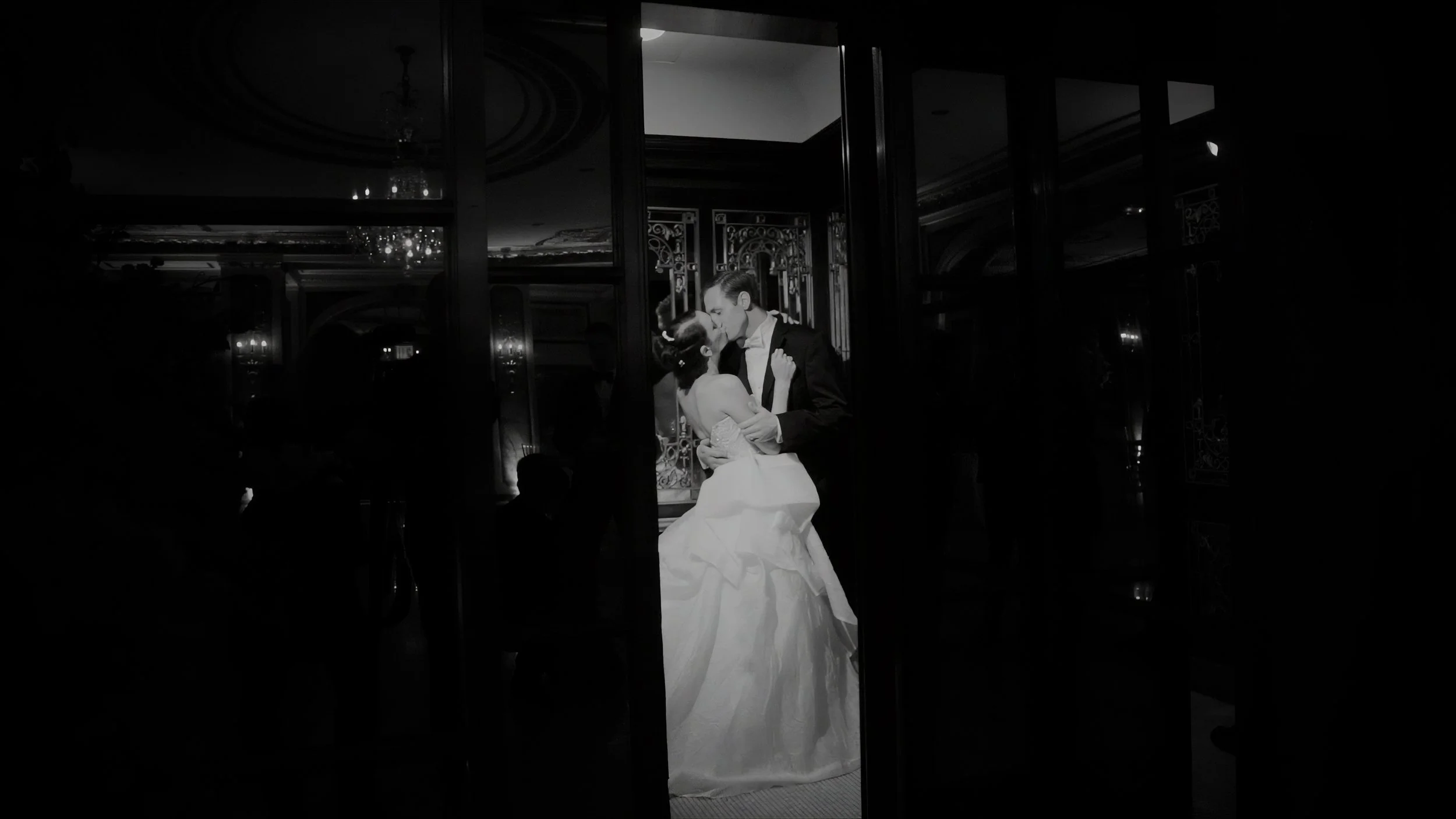
The photograph happens in the transition.
What Remains
Technology changes remarkably quickly. Cameras change. Editing systems change. Resolution changes. The ways we create and deliver photographs and films change. Emotion does not seem to change very much at all.
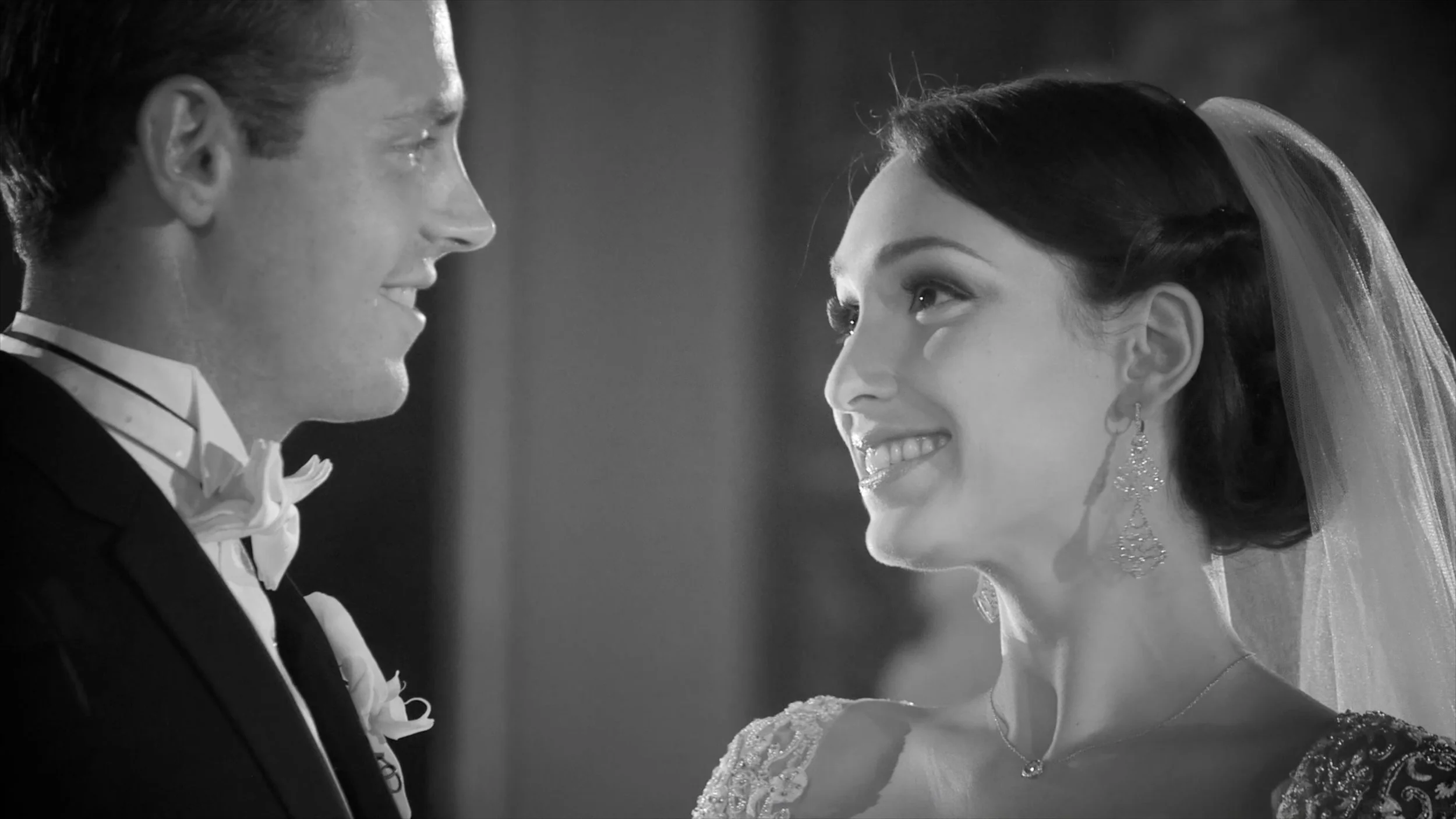
Years later, what remains is not simply how the wedding looked, but how it felt.
When I watch this film, I am not thinking about the equipment used to make it. I am watching two people. I am hearing their words and watching New York move around them. I am reminded why I chose to take the color away in the first place. Sometimes removing something allows us to see more.
Photography and filmmaking have taken me into extraordinary places and introduced me to people and experiences I never could have predicted. But the place itself has never been enough for me. I am interested in what happens there, how the light moves through it, how people interact with it, and how all of those pieces can eventually become part of a story.
That is ultimately what I am looking for when I pick up a camera. Not simply what something looked like, but what it felt like to be there.
Explore more of my photography and the stories behind the work.