4th of July Film by Savannah Marketing Agency | Maring Media Blends AI and Storytelling
Creating an Emotional Brand Film With AI
The Story Behind a Fourth of July Film About Freedom, Memory and the American Spirit
Some of the advertising I have remembered most over the years didn't spend much time trying to sell me anything. Coca-Cola has done this beautifully around Christmas, and Budweiser has created memorable films around the Super Bowl. The brand and product may be present, but the story reaches for something larger. Family, tradition, belonging, nostalgia, humor, hope and sometimes even loss become the things we remember. The best of these films make us feel something first.
That kind of storytelling has always interested me. When I began experimenting with an idea for a Fourth of July film, I wasn't particularly interested in creating a demonstration of artificial intelligence. I wanted to know whether these new tools could help me create the kind of emotional brand story that traditionally required an entirely different approach to production.
More importantly, I wanted to know if I could use artificial intelligence to help visualize something much harder to define than a picture.
I wanted to create a feeling.
Here’s to the 4th of July | A Tribute to Freedom and the American Spirit
The Idea Came Before the Technology
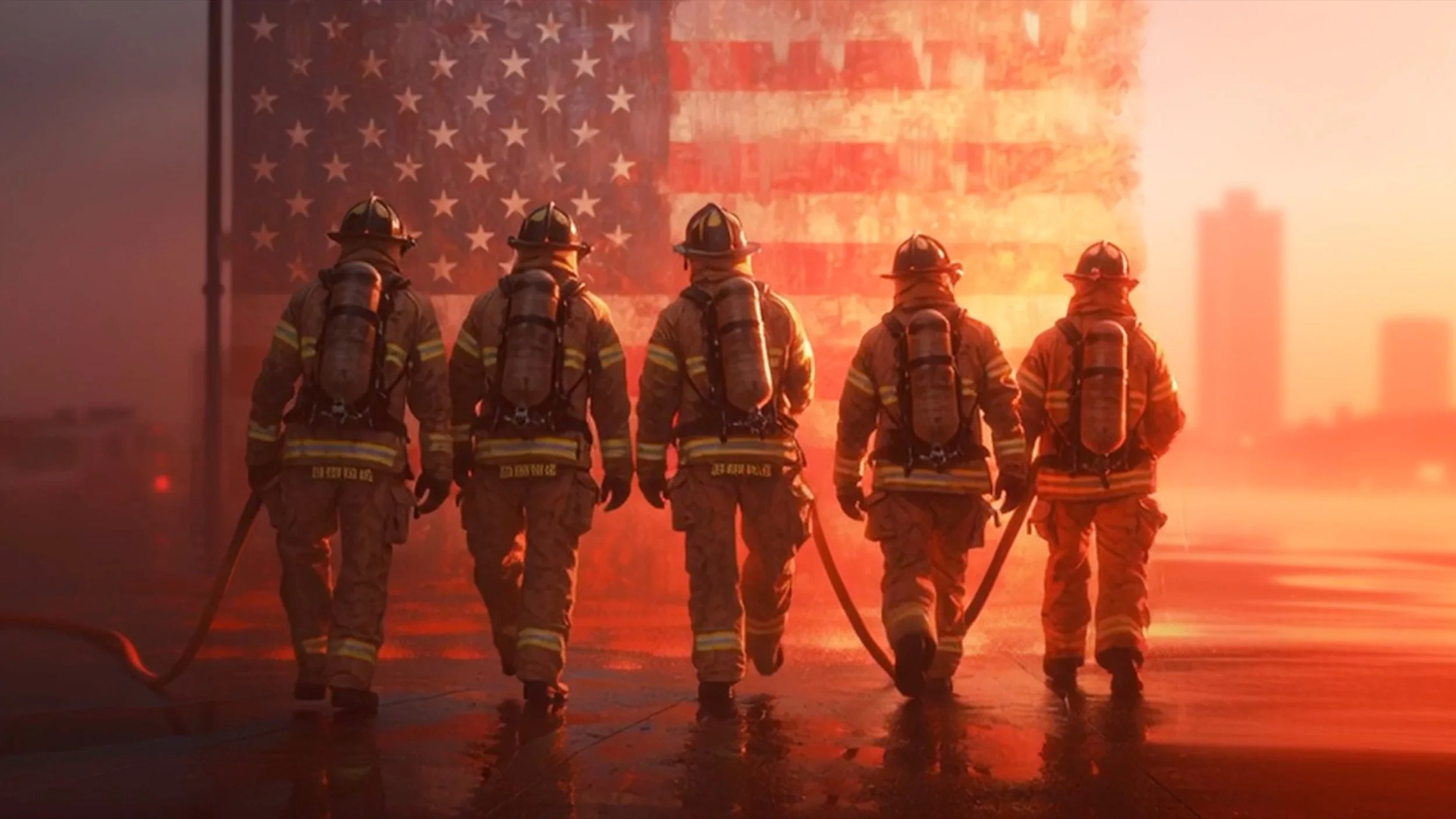
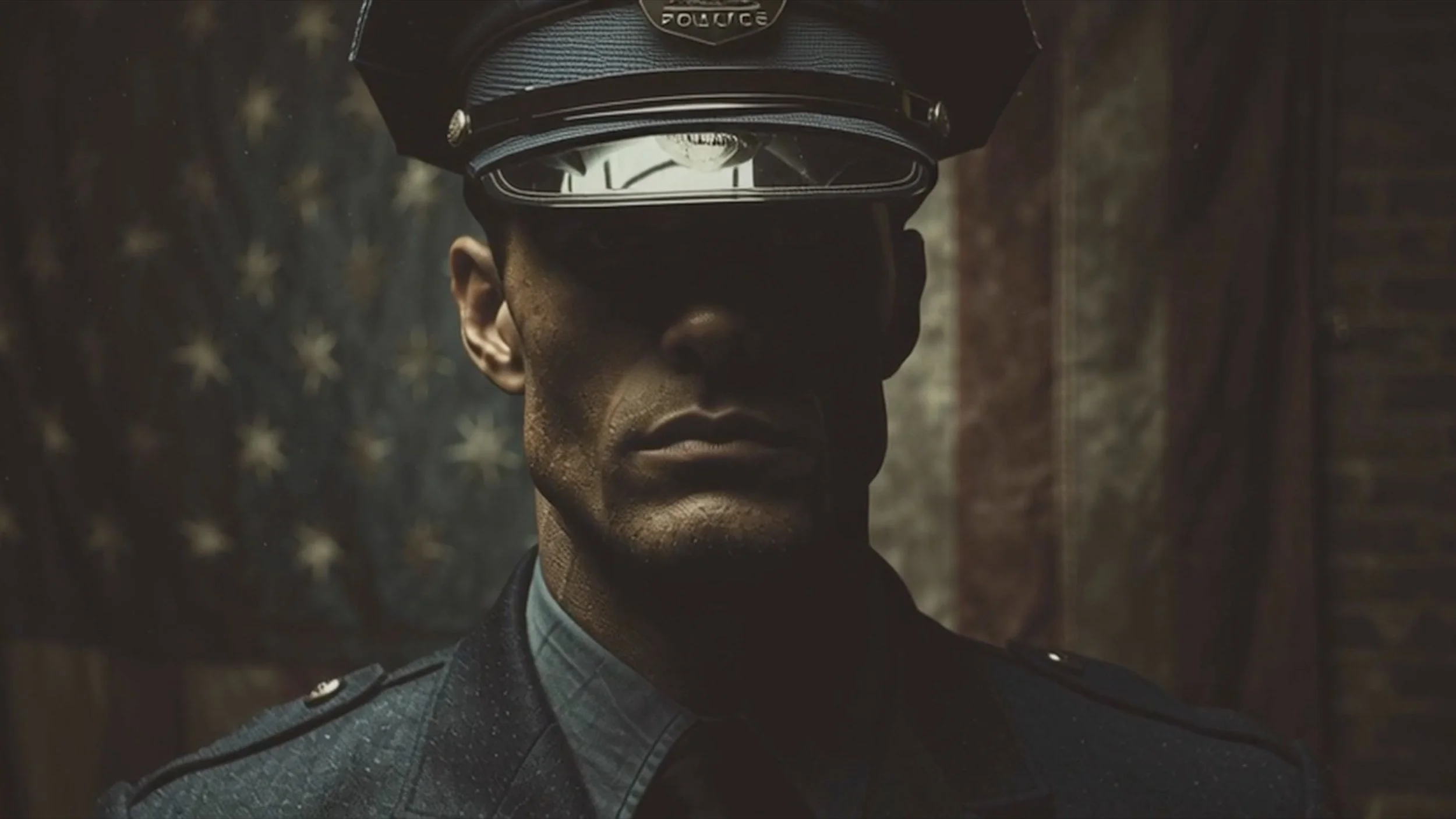
The Fourth of July already carries an enormous visual vocabulary, but America is much larger than fireworks and flags. It is a tractor moving through farmland before sunrise and the glow of a city after dark. It is a classroom, a racetrack, a worker at the end of a long day, first responders, summer afternoons, crowded celebrations and quiet places far from any crowd. I began thinking about the film as a collection of these fragments and how they might come together to create something larger.
Some of the images would feel almost photographic, while others could become painterly, illustrative or surreal. I wasn't trying to suggest that any single image could represent America. I was more interested in what might happen when many very different images were placed together. The farm could live beside the city. Childhood could sit beside industry. A frozen pop could be followed by a worker standing in the rain. Fireworks, fashion, racing, romance, agriculture and familiar American landmarks could all become pieces of the same visual language.
Gradually, the film began to feel less like a collection of patriotic imagery and more like a visual memory of America. Not necessarily America exactly as it is, but America as we sometimes remember it, imagine it and feel it. There is something powerful about an image that reminds us of a place we have never actually been, or a moment we somehow recognize even though we never experienced it ourselves.
That became the creative challenge. I wasn't asking artificial intelligence to tell me what America meant or what the film should say. I already had an emotional direction in mind. The technology simply gave me an entirely new way to explore how I might visualize it.
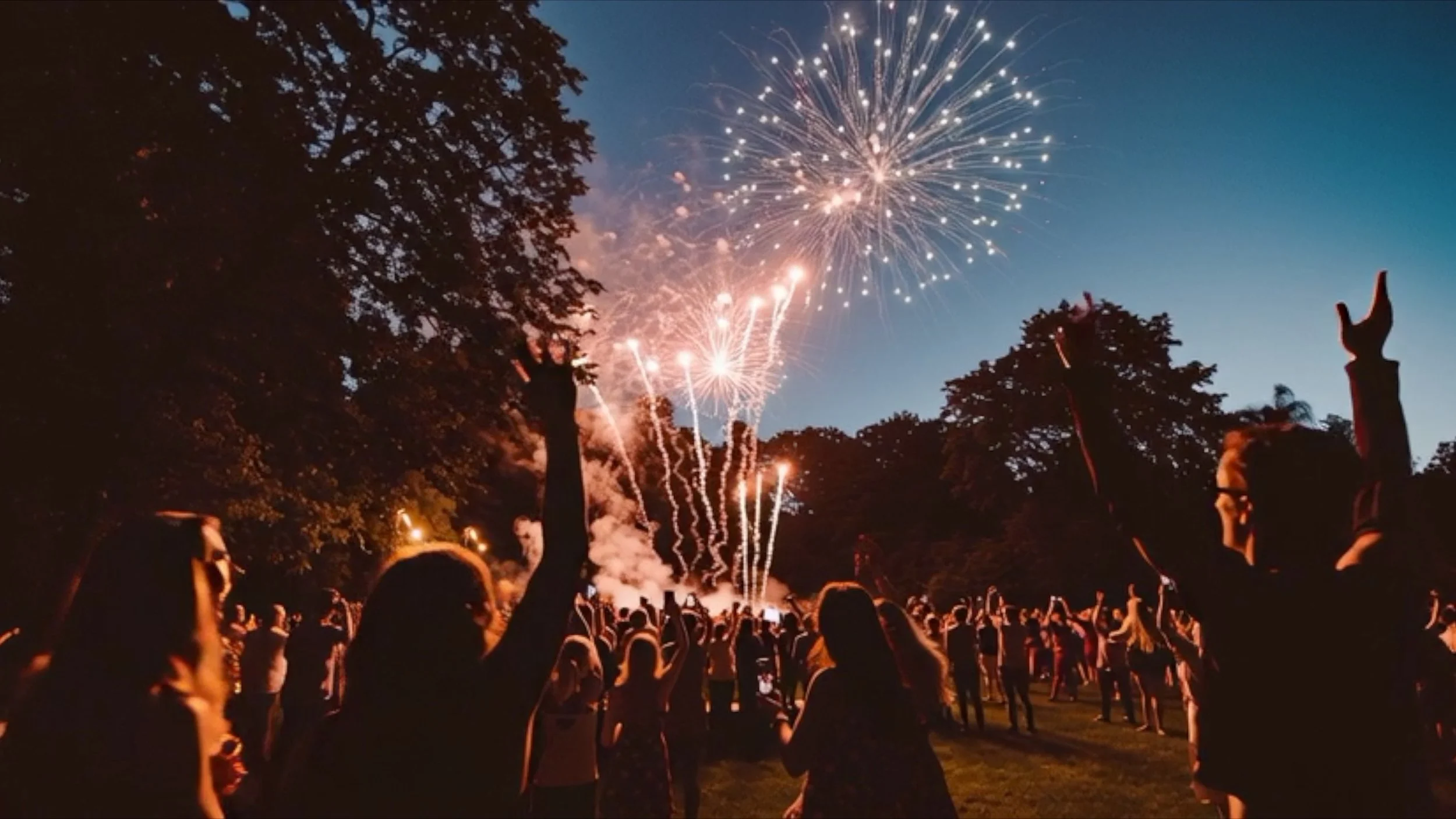
The familiar ritual of gathering beneath fireworks became one of the visual memories explored in the Fourth of July film.
An Early Experiment
Looking back at the film now, it is important to put it in the context of when it was made. Generative AI was still at a much earlier stage, particularly when it came to creating believable motion and maintaining visual continuity from one moment to the next. I was experimenting with these tools early, before many of the creative possibilities we now take for granted existed.
At the time, I wasn't trying to predict where artificial intelligence would eventually go. I was simply curious about what might happen if I brought these emerging tools into a creative process already shaped by decades of photography, filmmaking, music and storytelling. The limitations were part of the experiment. Images could be extraordinary while motion could be unpredictable. Ideas that seemed simple could require countless attempts, and maintaining a visual world from one shot to another was very different from working with a camera, where a person, location or object continues to exist after the shutter is pressed.
Since making this film, the technology has evolved tremendously. Many things that required considerable experimentation then can now be approached with tools capable of far greater realism, motion, consistency and creative control. I expect that evolution to continue, which is one of the reasons I find it interesting to look back at this film as an early experiment rather than an example of where the technology is today.
What hasn't changed nearly as much are the creative questions behind the work. What is the story and what should it feel like? Which image belongs and what should happen next? When should something move and when should it remain still? When should we use a camera and when might another approach serve the idea better? Most importantly, what should someone remember after the film is over? The technology keeps answering more questions about what is possible, but the creator still has to decide what is worth doing.
Thousands of Possibilities and a Handful of Choices
One of the freedoms I discovered in the process was that the film didn't have to obey a single visual reality. A cinematic portrait of a worker in the rain could exist beside something painterly, graphic or surreal. A farm at dusk could lead somewhere entirely different. Photorealism could become illustration, fashion, abstraction or memory. Traditionally, those different visual worlds might have required completely different productions, locations, crews and techniques. Here I could explore them as parts of the same creative process.
That freedom also created a new problem because when almost anything becomes possible, possibility itself stops being particularly valuable. Over the course of developing the film, I generated thousands of images while searching for the relatively small number that ultimately belonged in this particular world. I could continually reconsider environments, people, compositions, lighting, perspective and mood.
Some images were technically remarkable and left me feeling nothing. Others contained an expression, gesture, quality of light or composition that made me stop. Sometimes it was difficult to explain exactly why one image worked and another didn't, but after decades as a photographer, that act of looking and choosing felt very familiar. Long before artificial intelligence entered my creative process, I was looking through cameras and deciding when a fraction of a second mattered enough to preserve. Photography taught me to pay attention to those moments. AI simply gave me thousands of new possibilities to consider, but it still couldn't tell me which ones mattered.
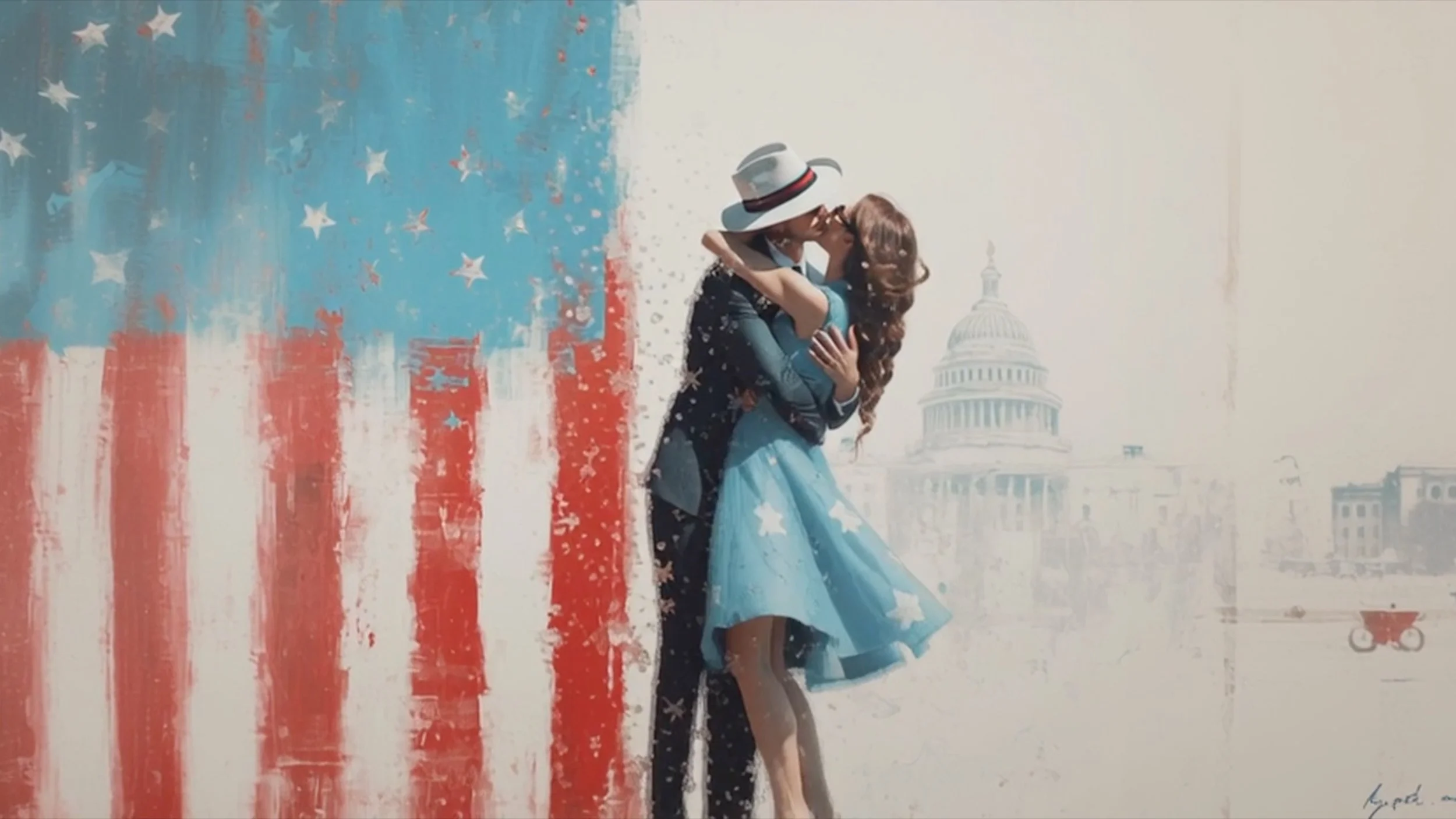
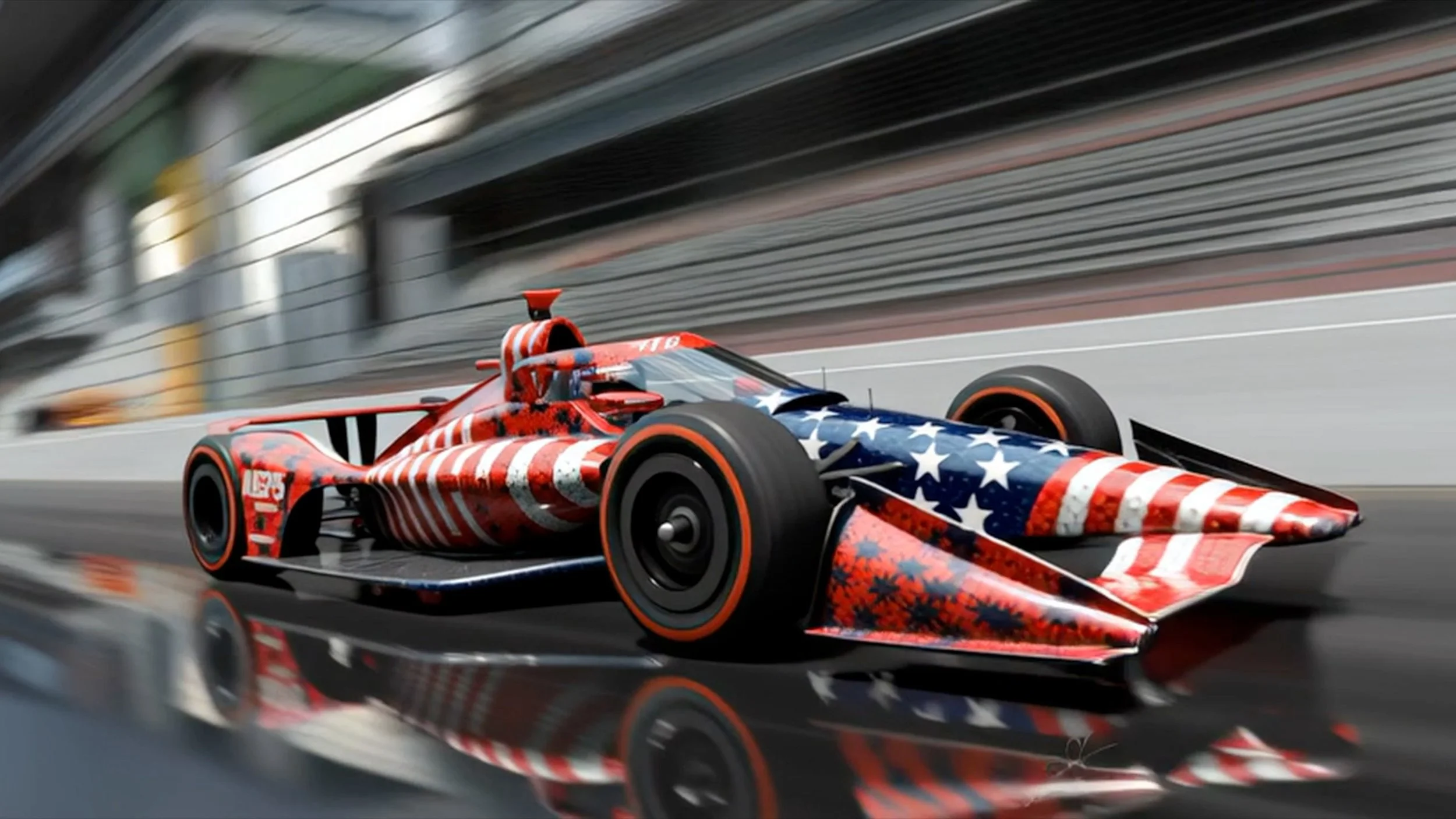
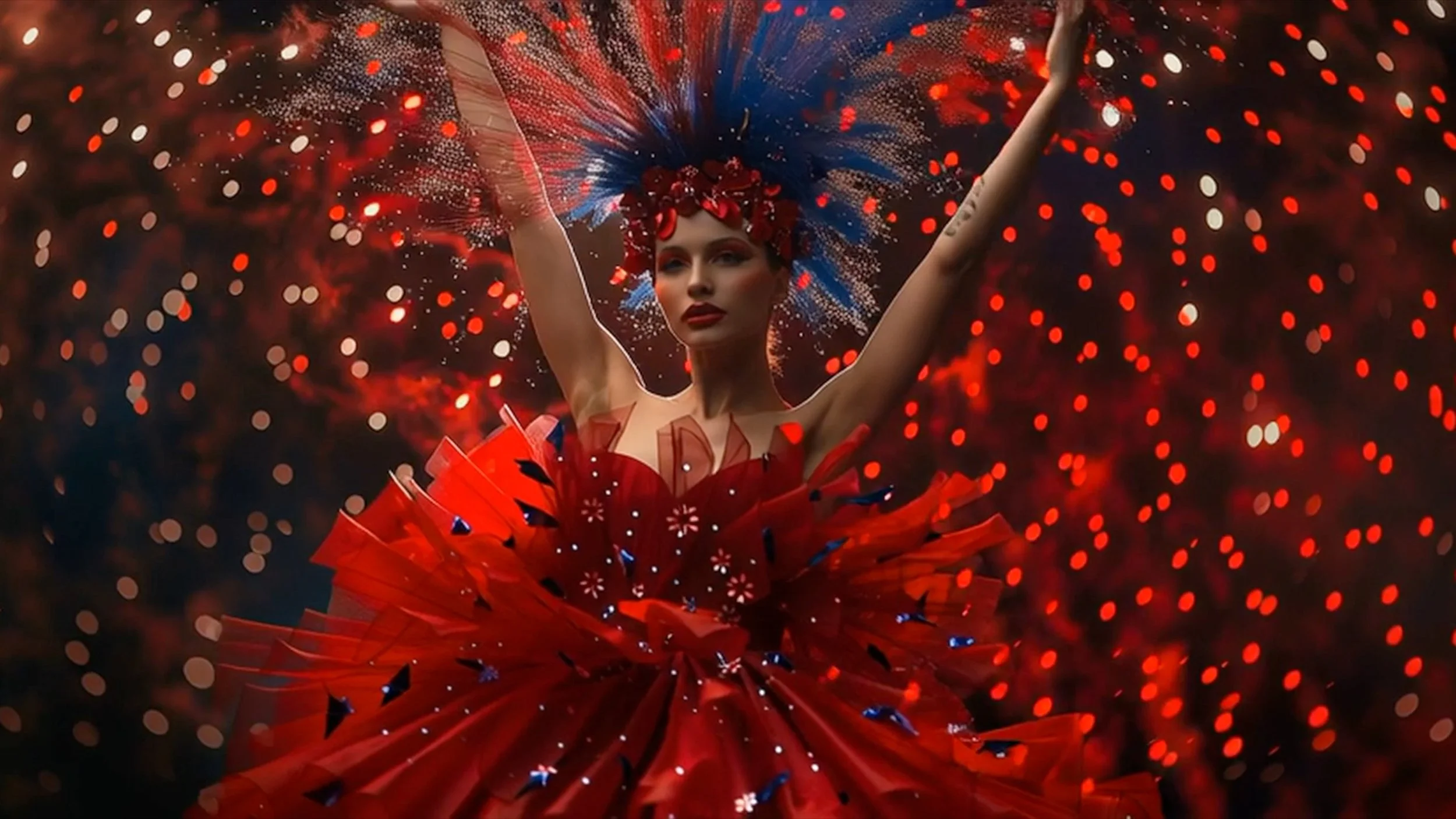
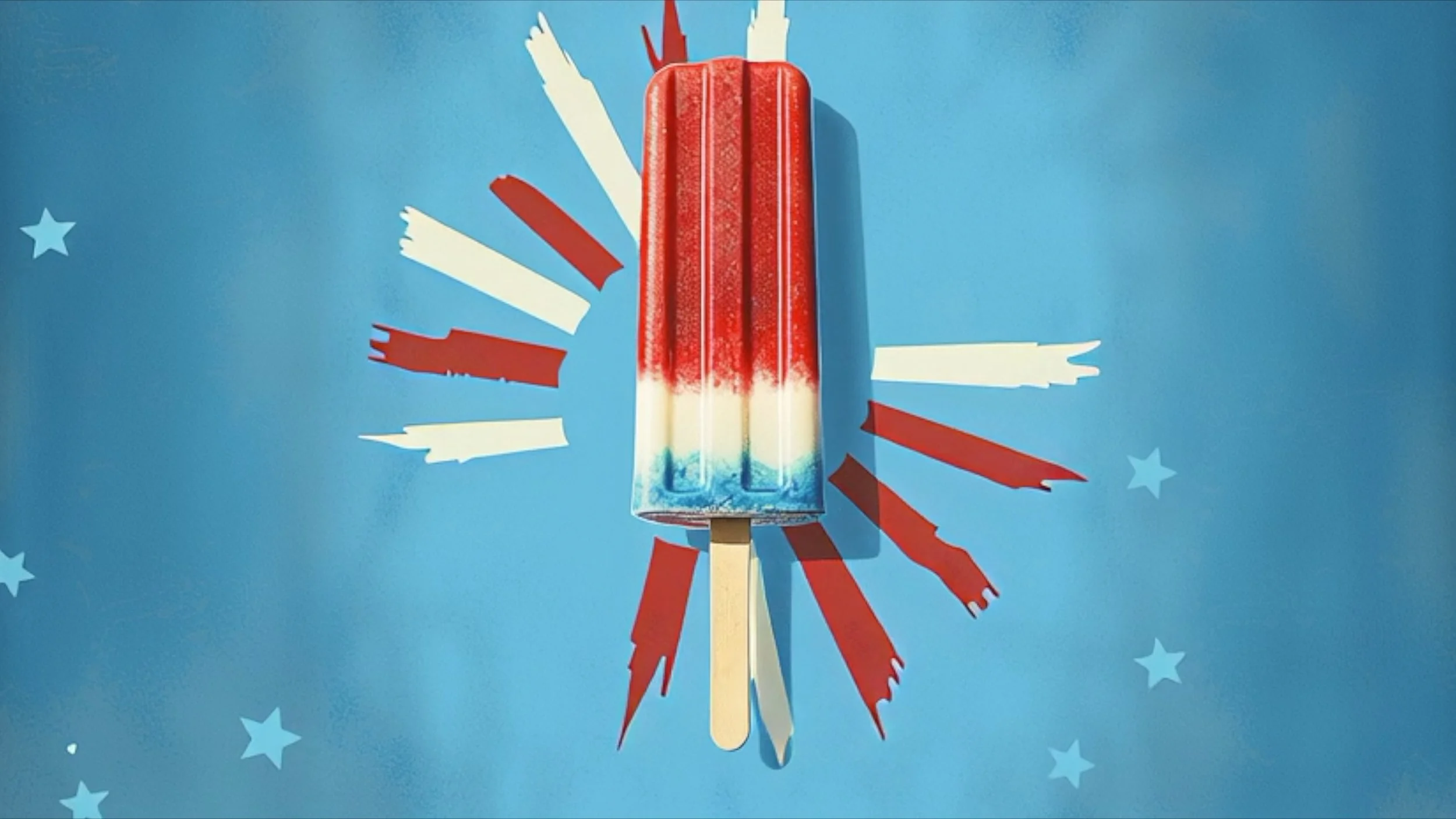
The visual world could move from romance and racing to childhood nostalgia and fashion. The images did not need to share a technique. They needed to belong to the same story.
From Still Images to a Moving Film
Finding the images was only the beginning. Once I began establishing the visual language of the piece, I started bringing selected images into motion. That created another layer of experimentation because a compelling still image doesn't automatically become a compelling moving image. Some attempts immediately felt right, while others looked impressive but didn't serve the story. Sometimes movement overwhelmed what had made the original image interesting. Sometimes an image needed almost nothing, and other times I needed to reconsider the idea entirely.
Gradually, individual experiments began becoming sequences, and those sequences began developing a rhythm. This is where my experience as a filmmaker became just as important as my experience as a photographer. Editing isn't simply about assembling beautiful images. It is about the relationship between them. One image changes the way we experience the next. A moment can linger or disappear almost immediately. Movement can build anticipation, while stillness can become surprisingly powerful when it arrives at the right time.
No single image could tell the story. The story began emerging from what happened when very different images were placed together. Eventually I stopped seeing the project as a collection of generated images and began experiencing it as a film. That was the point when it became truly interesting to me.
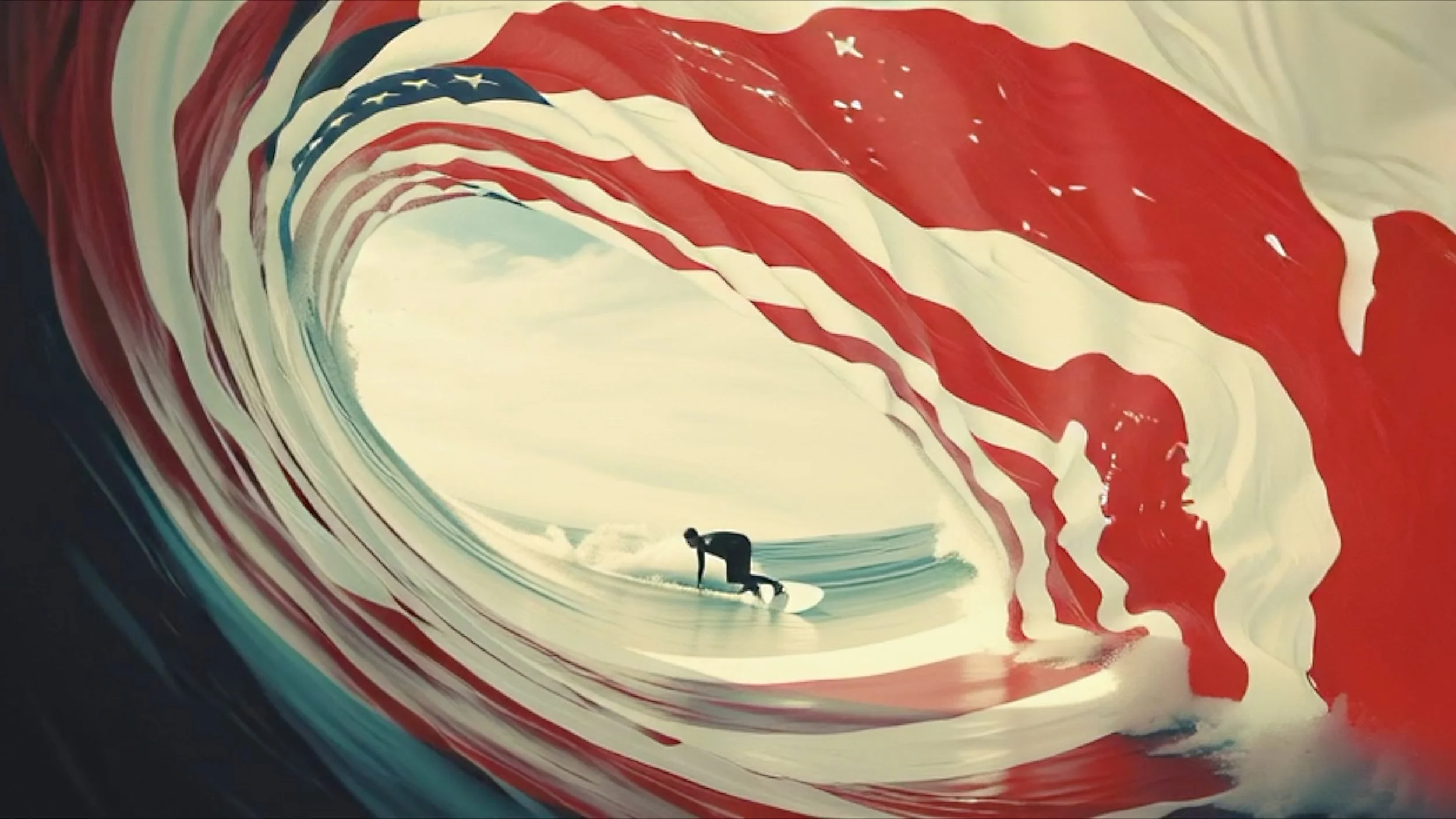
Some experiments abandoned realism entirely and allowed movement, color and symbolism to carry the idea.
I Hear a Film as Much as I See It
Music and sound have always been inseparable from the way I think about moving images. Because I am also a musician, I tend to hear an edit as much as I see one. Music changes the meaning of an image, a voice can completely alter the emotional context of a scene, and silence can sometimes communicate more than either of them.
The relationship between image, narration, music and pacing became essential to the emotional arc of this film. A cut that feels insignificant in isolation can suddenly feel inevitable when it happens against the right musical phrase. This is one of the reasons I have never thought of photography, filmmaking, music and writing as completely separate creative practices. Photography influences how I make films, filmmaking changes how I photograph, music influences how I edit, and writing often changes the way I understand the images themselves. One discipline continually feeds another.
More Than Making an AI Video
By the time I finished the Fourth of July film, I was already becoming less interested in the novelty of artificial intelligence and more interested in what this new creative process might eventually mean for filmmaking, advertising and brand storytelling. There is an enormous difference between generating video and creating a brand film. Brands don't simply need more content. They need ideas worth remembering.
That distinction feels even more important today. As the tools become more capable and more people gain access to them, the ability to generate an impressive image or video becomes less unusual. The technology will continue getting better, faster and easier to use, which means the idea behind the work becomes more important rather than less.
Looking at this early film, I can imagine the same process applied to completely different subjects. What if the visual world weren't America on the Fourth of July, but the history of a hundred year old company? What if it were Christmas for a hospitality brand, the story of American agriculture, a destination seen through memory or the launch of a product that doesn't exist yet? It could become a film about a company's heritage or anniversary, a destination campaign, a hotel opening, a nonprofit story, a product launch, a conference film or a commercial created for one of the largest audiences in the world.
The technology was never the idea. It simply expanded the kinds of ideas I could consider. The scale and subject can change completely, but the creative question remains remarkably similar. What can we make someone feel in 30 or 60 seconds that they might still remember tomorrow? That is the part of advertising and filmmaking that interests me.
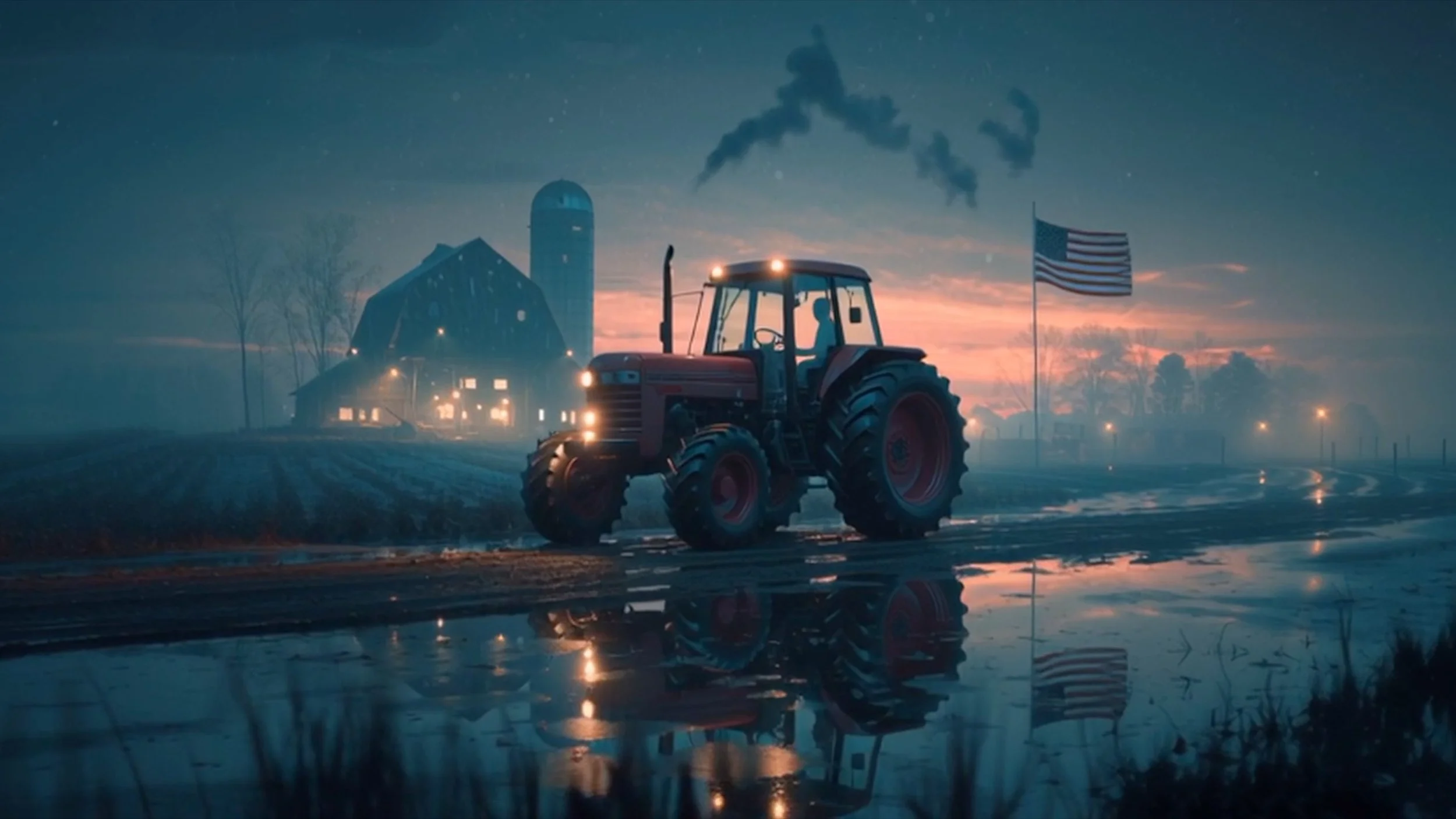
Land. Small towns, farms, cities and coastlines helped expand the film beyond a single version of America.
The Idea Should Determine the Tools
I don't believe the future of filmmaking requires choosing between traditional production and artificial intelligence. Some stories deserve to be photographed entirely in the real world with real people in real places. Other ideas may benefit from generated imagery, while some might begin as synthetic imagery and eventually lead to live production. I suspect many of the most interesting possibilities will come from combining these worlds rather than choosing between them.
A brand film could begin with AI assisted concept development and visual treatments before moving into traditional cinematography. It might combine live action, still photography, aerial footage, archival material, animation, synthetic imagery, generated environments, original music and conventional post production. I don't see a reason to place artificial boundaries between those things because the idea should determine the tools.
There is also something powerful about being able to visualize an idea before an expensive production begins. Instead of asking a client to imagine something that exists only in my head, these tools increasingly allow me to communicate the direction, atmosphere and possibilities of a project while it is still being developed. A visual treatment can become more than a mood board. A concept can begin to move, and a client can experience the beginnings of a world before the full production exists.
Used thoughtfully, that can create greater clarity and trust between everyone involved. It also gives us room to experiment, discard ideas and discover better ones before significant production resources have been committed. The technology has become dramatically more capable since I created this film, which only expands those possibilities. What once felt experimental can increasingly become part of a practical creative workflow.
The Person Behind the Tools
I have spent much of my career learning technical things. Cameras, lenses, lighting, shutter speeds, apertures, editing systems, audio equipment, musical instruments and recording technology have all been part of the work. Those skills matter because they give me the ability to execute an idea, but I have never believed they are the primary reason someone should hire me.
A camera doesn't know where to stand or when an expression matters. A guitar doesn't know which note belongs next. Editing software doesn't understand why a moment should linger for another second. Artificial intelligence can give me thousands of possibilities, but it cannot decide which one belongs in the story I am trying to tell. That is where perspective becomes valuable.
The interesting part of this film wasn't simply being able to create a farm, a city, a classroom, a racetrack or a surreal wave of red, white and blue. It was deciding that those worlds could belong together and then finding the images, movement, music and rhythm that allowed them to become part of the same emotional experience. That is creative direction.
As creative technology becomes more powerful and more accessible, I believe taste, experience, curiosity, communication and judgment become increasingly important. Knowing how to make something is valuable, but knowing what is worth making is something different.
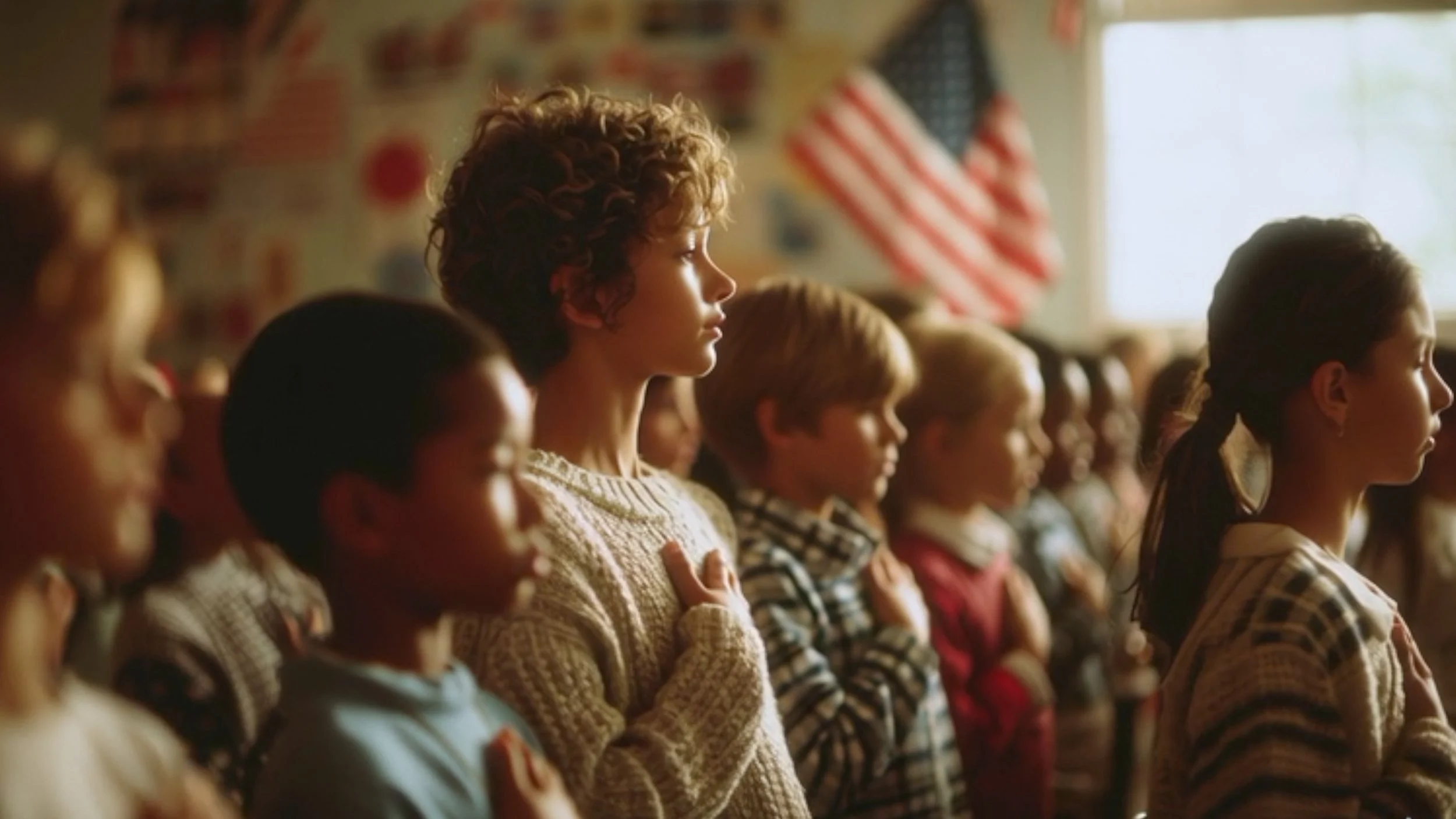
Childhood. I was interested in images that could feel strangely familiar, as though they belonged to a memory the viewer might already carry.
Human First
This project began as an early creative experiment, but the questions it raised have stayed with me. They have become part of a much larger exploration in my work and in Human First, my speaking program about creativity, communication and remaining human in an increasingly AI assisted world.
I'm not particularly interested in convincing anyone that they should embrace artificial intelligence. There are already plenty of opinions surrounding it. I'm more interested in discovering where these tools genuinely help me do better work. If AI saves time that I can spend thinking more deeply about an idea, that has value. If it helps me communicate an ambitious visual concept to a client before production begins, that has value as well. If it gives me room to experiment with ideas that previously would have been impossible to visualize without enormous resources, I find that exciting.
Most importantly, if technology allows me to spend more of my energy on the human parts of the process, understanding the client, developing the idea, collaborating, listening and making better creative decisions, then I have used the technology well. For me, the purpose of the tool is not to replace the person behind the work. It is to amplify what that person is capable of bringing to it.
What Could We Make Now?
Looking back, this Fourth of July film feels almost like a marker in time. I was experimenting with generative imagery and AI assisted filmmaking early, when many of the tools were still unpredictable and the possibilities were only beginning to reveal themselves. Since then, the technology has moved extraordinarily quickly. That doesn't make this film less interesting to me. If anything, it makes me more curious about what comes next.
The question is no longer simply whether artificial intelligence can create a convincing image or make that image move. Those capabilities will continue improving. The more interesting question is what happens when these tools are placed in the hands of people who already understand photography, filmmaking, music, editing, storytelling and the emotional language of images.
I can imagine emotional brand films built around cultural moments and holidays, films for hospitality and travel brands, stories about company heritage, national advertising campaigns and films for organizations whose mission deserves to be felt rather than simply explained. I can imagine a campaign beginning with synthetic imagery and eventually becoming a live action production. I can imagine photographing real people and places and building generated worlds around them, or combining cinematography, photography, archival material, aerial imagery, animation, visual effects and original music without worrying very much about which traditional category each technique belongs to.
The audience doesn't need to care how every frame was made. What matters is whether they care about the story.
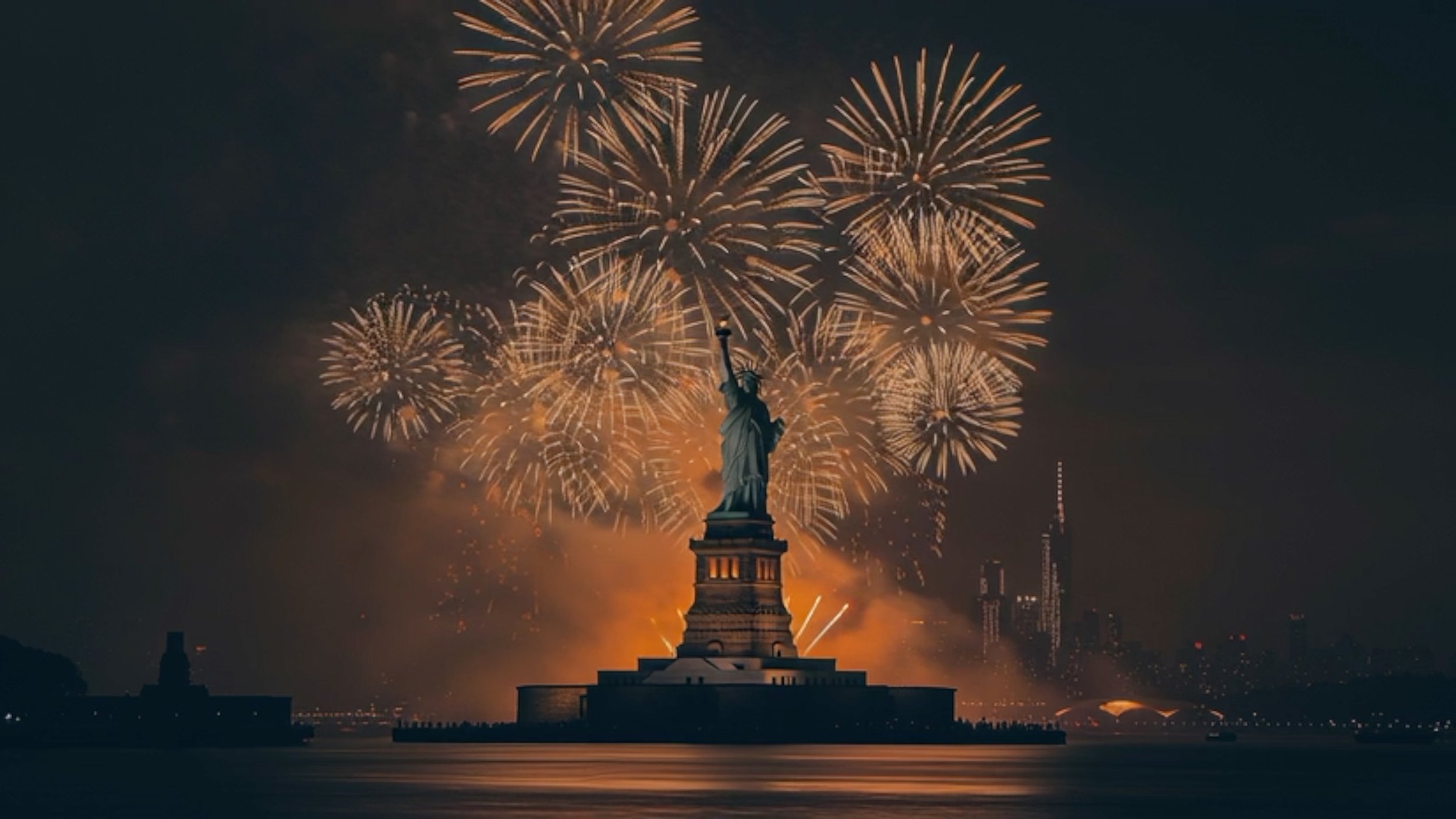
Icon. Some symbols need almost no explanation. The creative challenge is finding a way to make the familiar feel worth seeing again.
After decades of making photographs, films and music, I don't feel as though these technologies are making the creative process less interesting. I feel as though the canvas just became larger. This Fourth of July film was an early experiment on that larger canvas, and today I could approach the same idea with tools and possibilities that simply didn't exist when I made it.
That is what excites me about where this is going. It isn't simply that the technology can do more. It is that we can imagine more, communicate those ideas more clearly and find new ways to bring them to life. The tools will continue to change, as they always have. What matters to me is what we choose to do with them.